Are you frustrated with your smart home devices lagging or losing connection? Your IoT devices deserve a network that keeps up with their demands.
Mesh WiFi could be the game-changer you need to boost performance and reliability. Imagine seamless streaming, instant responses, and no more dead zones—sounds good, right? Keep reading to discover how mesh WiFi can transform your IoT experience and make your smart home truly smart.
Mesh Wifi Basics
Mesh Wifi is a network system that helps devices connect better. It uses multiple devices called nodes.
These nodes work together to spread Wifi signals evenly in your home or office.
How Mesh Wifi Works
Mesh Wifi uses several nodes placed around a space. Each node sends and receives Wifi signals.
This system creates a web-like network, so devices always find a strong signal.
- Nodes communicate with each other directly
- Data is passed from node to node
- Devices connect to the closest node
- The network adjusts if one node fails
Advantages Over Traditional Wifi
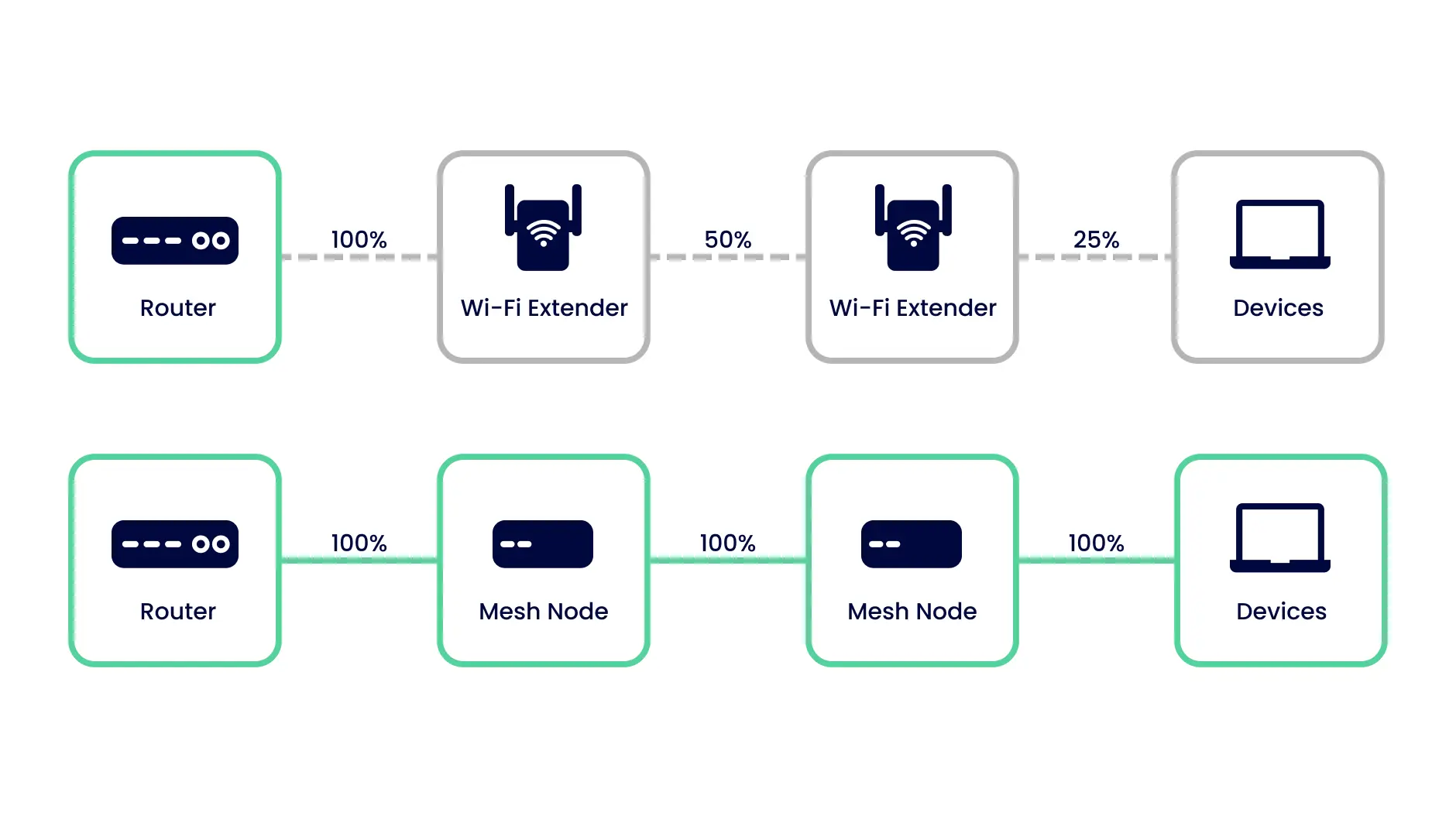
Mesh Wifi covers larger areas better than regular routers. It reduces dead zones in buildings.
It also improves connection quality for many IoT devices at once.
- Stronger and more reliable signals
- Easy to expand by adding more nodes
- Better for many connected devices
- Self-healing network if a node stops working

Credit: dongknows.com
Iot Device Connectivity
Connecting many IoT devices needs a strong network. Reliable links help devices work well together.
Mesh WiFi can improve how IoT devices communicate. It spreads signals evenly across spaces.
Common Challenges With Iot
IoT devices often face connection problems. These can stop devices from working properly.
- Weak WiFi signals in large areas
- Interference from other wireless devices
- Limited range of traditional routers
- High number of devices causing network overload
- Security risks from many connected devices
Role Of Mesh Networks
Mesh networks use many nodes to cover wide areas. They create strong, stable connections for IoT devices.
| Feature | Benefit for IoT Devices |
| Multiple nodes | Better coverage and fewer dead zones |
| Self-healing | Network fixes itself if one node fails |
| Easy expansion | Add nodes to increase range and capacity |
| Load balancing | Distributes traffic to avoid slowdowns |
| Improved security | Better protection through network management |
Performance Factors
Mesh WiFi systems improve wireless signals for IoT devices. Many factors affect their performance in homes and offices.
Understanding these factors helps keep your IoT devices connected and working well.
Signal Strength And Coverage
Strong signals are essential for IoT devices to work reliably. Mesh WiFi uses many nodes to cover large areas.
Each node extends the WiFi signal, reducing dead spots and improving coverage in every room.
- Place nodes where signal is weak
- Keep nodes away from thick walls or metal objects
- Use nodes on different floors for better vertical coverage
- Check signal strength regularly with apps or device tools
Network Traffic Management
IoT devices send and receive data constantly. Mesh WiFi manages network traffic to avoid slowdowns.
Good traffic management balances bandwidth and prioritizes important devices.
- Quality of Service (QoS) sets device priority
- Load balancing splits traffic evenly among nodes
- Automatic channel selection reduces interference
- Regular updates improve traffic handling features
Speed Enhancements
Mesh WiFi improves the speed of IoT devices by spreading the internet connection across several nodes. This helps devices stay connected with strong signals.
Good speed is important for smart homes and offices to work smoothly. Faster connections reduce delays and improve device performance.
Optimizing Bandwidth Allocation
Bandwidth is the amount of data that can travel through the network at once. Mesh WiFi can share bandwidth smartly among devices.
By giving more bandwidth to devices that need it most, the network stays fast and efficient. This prevents slowdowns during heavy use.
- Prioritize important IoT devices like security cameras
- Limit bandwidth for less critical devices
- Use Quality of Service (QoS) settings in your mesh system
- Balance traffic load across multiple nodes
Reducing Latency In Mesh Networks
Latency is the delay before data starts moving between devices. Lower latency means faster responses from IoT devices.
Mesh WiFi reduces latency by creating direct paths for data to travel. This cuts down waiting time and speeds up communication.
- Place mesh nodes close to IoT devices
- Avoid physical obstacles like walls and furniture
- Use wired backhaul connections if possible
- Update mesh network firmware regularly
Boosting Reliability
Mesh WiFi helps improve the connection for many IoT devices. It covers large areas with strong signals.
Reliable WiFi is important for smart homes and offices. It keeps devices working without interruptions.
Self-healing Network Features
Mesh WiFi networks can fix problems on their own. If one path fails, data finds another way quickly.
This helps keep IoT devices connected without delay. The network adapts to changes and stays strong.
- Detects weak or lost signals
- Reroutes data through other nodes
- Maintains stable connections automatically
Handling Device Failures
When an IoT device stops working, the mesh network helps reduce impact. Other devices keep communicating well.
The system avoids single points of failure. It spreads the connection load to keep the network reliable.
- Shares traffic among multiple nodes
- Allows easy addition or removal of devices
- Supports smooth network recovery after failures
Setup Tips For Iot Mesh Wifi
Mesh Wifi improves performance for IoT devices. It provides better coverage and reliability. Setting it up correctly is key to getting the most out of your IoT devices.
Follow these tips to enhance your mesh network. Proper setup ensures smooth operation and connectivity for all IoT devices.
Positioning Nodes Effectively
Place nodes in central locations. This helps in covering larger areas with strong signals. Avoid placing them near metal objects or thick walls.
Ensure each node is within range of another. This creates a seamless connection path. Check for dead zones and adjust as needed.
- Keep nodes at equal distances
- Elevate nodes for better signal
- Test signal strength in each room
Securing Your Mesh Network
Security is important for your mesh network. Use strong passwords and change them regularly. This protects your network from unauthorized access.
Enable network encryption and update firmware. This ensures the latest security patches are applied. Monitor connected devices for unusual activity.
- Use WPA3 security protocol
- Disable guest networks if not needed
- Set up a firewall for extra protection
Popular Mesh Wifi Systems
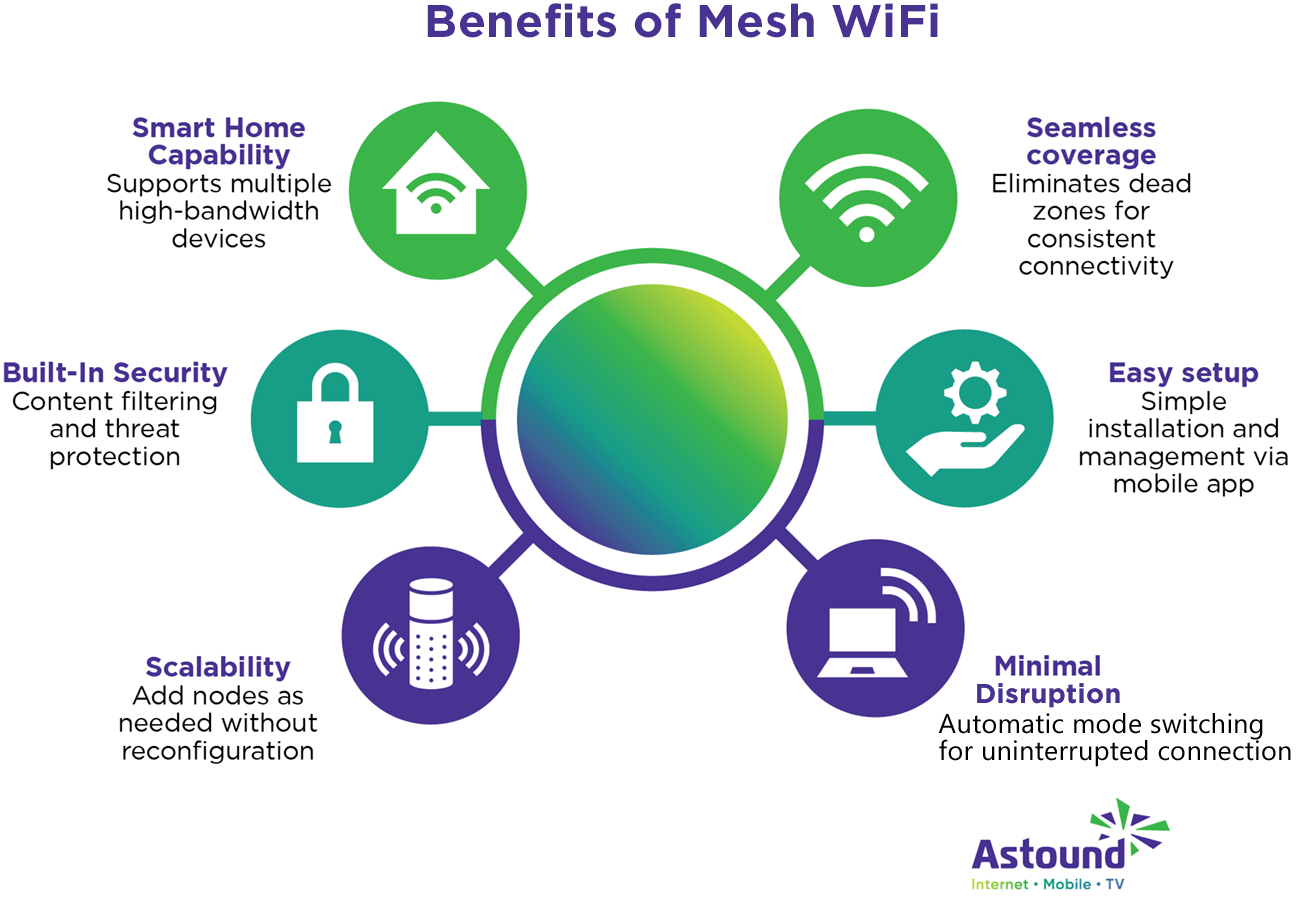
Mesh wifi systems help improve internet coverage in homes with many IoT devices. They create a strong, reliable network by using multiple nodes. This system reduces dead spots and keeps devices connected smoothly.
Choosing the right mesh wifi is important for smart homes. It affects how well your devices work and connect to the internet. Some systems offer better speed, while others focus on easy setup or price.
Top Choices For Iot Users
Some mesh wifi systems stand out for smart home users. They support many devices without slowing down the network. These systems have features like fast speeds, security, and good coverage.
- Google Nest Wifi – Easy to set up and works well with many devices.
- Netgear Orbi – Offers fast speeds and wide coverage for large homes.
- Eero Pro 6 – Supports the latest wifi 6 standard for better performance.
- TP-Link Deco X60 – Good balance of price and features for smart homes.
Comparing Features And Prices
Different mesh wifi systems have various prices and features. Some focus on speed, others on coverage or security. It helps to compare them before buying to find the best fit for your needs.
| System | Max Speed | Coverage Area | Price Range | Special Features |
| Google Nest Wifi | 2.2 Gbps | 4,400 sq ft | $$ | Simple setup, smart speaker built-in |
| Netgear Orbi | 3 Gbps | 5,000 sq ft | $$$ | Tri-band wifi, strong coverage |
| Eero Pro 6 | 1 Gbps | 6,000 sq ft | $$$ | Wifi 6 support, easy to expand |
| TP-Link Deco X60 | 3 Gbps | 5,800 sq ft | $$ | Wifi 6, good value |
Credit: www.astound.com
Future Trends In Mesh Wifi
Mesh Wifi is changing how we connect our devices at home. It helps IoT devices work better by providing strong and reliable internet coverage.
New trends in Mesh Wifi are making it even more effective. These trends help integrate with smart home technology and improve network protocols.
Integration With Smart Home Tech
Mesh Wifi is becoming more compatible with smart home tech. Devices like smart lights and thermostats connect easily to Mesh networks.
This integration makes managing all devices simple. You can control everything from a single app on your phone.
- Smart lights adjust based on network signals
- Thermostats optimize energy use with network data
- Security cameras stream smoothly on Mesh networks
Advancements In Network Protocols
Network protocols are improving to support more devices. Mesh Wifi uses these protocols to handle traffic efficiently.
These protocols help in reducing lag and boosting speed. They ensure that all IoT devices get the bandwidth they need.
| Protocol | Benefit |
| Wi-Fi 6 | Faster speed and better range |
| OFDMA | Efficient data delivery |
| MU-MIMO | Supports multiple devices at once |
Credit: inseego.com
Frequently Asked Questions
What Is Mesh Wifi And How Does It Work?
Mesh WiFi uses multiple nodes to create one seamless network. It improves coverage by eliminating dead zones. Each node communicates with others to provide stable and fast internet for all IoT devices.
How Does Mesh Wifi Improve Iot Device Performance?
Mesh WiFi ensures strong signal strength throughout your home. This reduces connection drops and latency for IoT devices. It supports multiple devices simultaneously, enhancing their overall speed and reliability.
Can Mesh Wifi Handle Many Iot Devices At Once?
Yes, mesh WiFi is designed for multiple devices. It distributes bandwidth evenly to prevent network congestion. This keeps all IoT devices connected without slowing down the network.
Is Mesh Wifi Better Than Traditional Routers For Iot?
Mesh WiFi offers wider coverage and better stability than traditional routers. It adapts to device locations automatically. This makes it ideal for smart homes with numerous IoT devices.
Conclusion
Mesh WiFi improves IoT device performance in many ways. It extends coverage to every corner of your home. Devices stay connected without losing signal. This means fewer interruptions and faster responses. Mesh systems handle multiple devices easily and smoothly. They create a stable network for smart gadgets.
Choosing mesh WiFi helps your IoT devices work better. It supports a smarter, more connected home life. Simple setup and reliable signals make it a good choice. Mesh WiFi truly enhances how your IoT devices perform daily.