Are you tired of dead zones and slow internet in your home? Choosing the right WiFi system can make all the difference.
You might be wondering whether an Eero Mesh WiFi or a traditional router is best for your needs. This decision affects how smoothly your devices connect and how strong your signal is throughout your space. You’ll discover the key differences between these two options and find out which one fits your lifestyle better.
Keep reading to unlock the secret to faster, more reliable WiFi that works for you.
Eero Mesh Wifi Basics
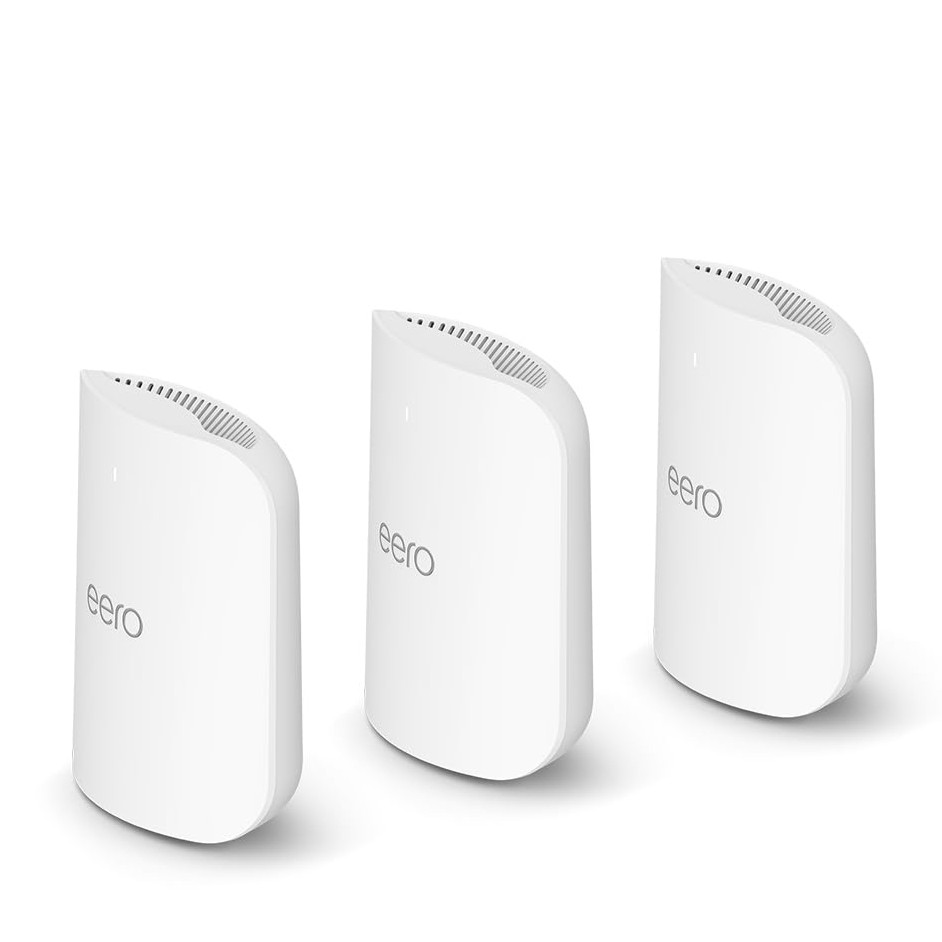
Eero Mesh Wifi offers a modern way to connect your home. It uses multiple devices to spread wifi evenly.
This system helps reduce dead spots and improves coverage in large areas.
How Mesh Networks Work
Mesh networks link several units called nodes. These nodes share internet signals with each other.
- One node connects to your modem and internet.
- Other nodes spread the wifi signal around your home.
- Devices switch to the strongest node automatically.
- This creates smooth and fast wifi everywhere.
Key Features Of Eero Systems
Eero systems include several features that make wifi easy and reliable.
| Feature | Description |
|---|---|
| Automatic Updates | Keeps your system secure with regular software fixes. |
| Simple Setup | Easy installation with a mobile app guide. |
| Expandable Network | Add more nodes to cover bigger areas. |
| Parental Controls | Manage internet access for family devices. |
| Device Prioritization | Give faster wifi to important devices. |
Traditional Router Setup
Traditional routers have been the main way to connect to the internet at home. They use one device to handle all connections and signals. Setting up a traditional router is usually simple but can have some limits in coverage and speed.
This setup often suits small spaces or fewer devices. Understanding its parts and performance helps to see how it works compared to newer systems.
Core Components
A traditional router setup includes several key parts that work together to bring internet to your devices.
- Modem:Connects to your internet service provider and brings the internet signal to your home.
- Router:Sends the internet signal wirelessly or through cables to your devices.
- Ethernet Cables:Used to connect the modem to the router and sometimes the router to devices for faster speeds.
- Power Adapter:Supplies power to the router and modem.
- Antennas:Help to send and receive Wi-Fi signals; some routers have external antennas.
Typical Performance
Traditional routers deliver internet performance that fits average home needs. Speed and coverage depend on the router’s quality and home size.
| Aspect | Description | Typical Result |
|---|---|---|
| Coverage Area | Range the Wi-Fi signal can reach inside the home. | Up to 1,500 square feet |
| Speed | Data transfer rate for internet browsing and streaming. | Up to 300-600 Mbps (depends on model) |
| Device Support | Number of devices that can connect smoothly. | 5-20 devices |
| Signal Strength | Wi-Fi signal stability and strength in different rooms. | Strong near router, weak far away |
Speed Comparison
Choosing between Eero Mesh Wifi and a traditional router can affect your internet speed. Both systems handle data differently, which impacts performance.
This guide looks at two key factors: bandwidth distribution and the impact of distance and obstacles.
Bandwidth Distribution
Eero Mesh Wifi spreads internet across multiple devices through several nodes. Traditional routers send all data from one central point.
- Eero Mesh shares bandwidth evenly between nodes.
- Traditional routers may slow down with many devices connected.
- Mesh systems reduce overload on one device by balancing traffic.
- Routers often lose speed as more devices use the network.
Impact Of Distance And Obstacles
Distance and walls reduce Wi-Fi speed. Eero Mesh uses multiple points to keep strong signals throughout the home.
| Device Location | Eero Mesh Speed | Traditional Router Speed |
| Next to Router/Node | 100 Mbps | 100 Mbps |
| One Room Away | 90 Mbps | 60 Mbps |
| Two Rooms Away | 75 Mbps | 30 Mbps |
| Through Walls | 70 Mbps | 20 Mbps |
Credit: www.tomsguide.com
Coverage And Range
Wi-Fi coverage and range are key factors for any home network. They affect how strong and reliable your internet signal is in different rooms. Comparing Eero mesh WiFi and traditional routers helps to understand which fits your needs best.
Both systems send signals through your home, but they work differently to cover large areas. Let’s explore how mesh networks expand coverage and what limits single routers.
Mesh Network Expansion
Eero mesh WiFi uses multiple devices called nodes. These nodes work together to spread Wi-Fi signals evenly across your home. You can add more nodes to cover larger areas or to reach rooms with weak signals.
- Each node connects wirelessly to others
- Nodes share the internet signal smoothly
- Adding nodes increases coverage without major setup
- Mesh systems reduce dead zones in big homes
Limitations Of Single Routers
Traditional routers use one device to send Wi-Fi signals. Their coverage depends on the router’s power and antenna design. Walls and floors can block signals and cause weak spots in certain rooms.
| Factor | Eero Mesh WiFi | Traditional Router |
|---|---|---|
| Coverage Area | Wide; grows with added nodes | Limited to router’s range |
| Signal Strength | Stable across home | Weak in far rooms |
| Handling Obstacles | Better at avoiding dead zones | Signal drops near walls |
| Expansion | Easy by adding nodes | Needs stronger router or extenders |
Installation And Management
Setting up a home WiFi system can be simple or complex. The choice between Eero mesh WiFi and a traditional router affects how you install and manage your network.
We will look at ease of setup and user interface controls for both to help you understand the differences.
Ease Of Setup
Eero mesh systems are known for quick installation. Traditional routers may need more steps and technical knowledge.
- Eero uses a mobile app that guides you through setup.
- Mesh nodes in Eero connect automatically to create coverage.
- Traditional routers require connecting cables and configuring settings manually.
- Router setup often includes logging into a web interface.
- Adding range extenders to traditional routers adds complexity.
User Interface And Controls
Eero offers a simple app interface for network control. Traditional routers usually provide web-based control panels.
| Feature | Eero Mesh WiFi | Traditional Router |
| Access | Mobile app | Web browser |
| Network Monitoring | Real-time usage and device list | Basic or advanced, varies by model |
| Parental Controls | Easy to set up | May require extra setup |
| Firmware Updates | Automatic | Manual or automatic |
| Guest Network | One-click setup | Often available, varies by router |
Reliability And Stability
Choosing the right WiFi system is important for a stable network. Eero Mesh WiFi and traditional routers offer different experiences.
Reliability and stability are key factors. They ensure a smooth internet experience for everyone in the home.
Handling Network Traffic
Handling network traffic is crucial for WiFi performance. Eero Mesh WiFi uses multiple nodes to distribute data evenly.
Traditional routers may struggle with high traffic. They often rely on a single point for data distribution.
- Eero Mesh covers large areas with multiple nodes
- Traditional routers have limited range and may need extenders
- Mesh systems adapt better to network load changes
Connection Consistency
Connection consistency affects how devices stay connected. Eero Mesh WiFi maintains strong signals across the home.
Traditional routers might have dead zones. These are areas where the WiFi signal is weak or lost.
- Eero Mesh provides seamless transitions between nodes
- Traditional routers may drop connections in far rooms
- Mesh systems reduce buffering during streaming
Cost And Value
Understanding the cost and value of Eero Mesh Wifi compared to traditional routers is important. This helps you make an informed decision for your home network.
We will look into both initial investment and long-term benefits of these two options. This will guide you in choosing the right setup for your needs.
Initial Investment
The initial cost is a major factor when selecting a network solution. Eero Mesh Wifi may have a higher upfront cost than traditional routers.
| Equipment Type | Estimated Cost |
| Eero Mesh Wifi | $200 – $500 |
| Traditional Router | $50 – $150 |
Long-term Benefits
Long-term benefits can outweigh initial costs. Eero Mesh Wifi offers greater coverage and ease of use.
- Better coverage in large homes
- Easy to add more devices
- Automatic updates for security
- Simple management via app

Credit: www.pcmag.com
Best Use Cases
Choosing the right WiFi setup depends on your needs and space. Both Eero mesh WiFi and traditional routers have strengths. Knowing when to use each helps improve your internet connection.
This guide explains the best situations for Eero mesh WiFi and when a traditional router is enough.
When To Choose Eero Mesh
Eero mesh WiFi works best in large homes or offices with many rooms. It spreads signal evenly and removes dead zones.
This system fits places with thick walls or multiple floors. It lets you add more devices easily for better coverage.
- Large houses with weak WiFi spots
- Multi-story buildings
- Homes with many devices connected
- Need for easy network expansion
- Areas with thick walls blocking signals
When Traditional Routers Suffice
Traditional routers work well in small spaces like apartments or studios. They provide strong WiFi in limited areas.
If you have few devices and do not move much around your space, a single router can meet your needs. It is simple to set up and cost-effective.
- Small apartments or single rooms
- Few connected devices
- Limited budget for network gear
- Simple WiFi needs without coverage gaps
- No plans to expand network range

Credit: blog.eero.com
Frequently Asked Questions
What Is The Main Difference Between Eero Mesh And Traditional Routers?
Eero Mesh uses multiple nodes to cover large areas, while traditional routers rely on a single device. Mesh systems offer seamless WiFi and fewer dead zones. Traditional routers might struggle with coverage in bigger homes or complex layouts.
How Does Eero Mesh Improve Wifi Coverage?
Eero Mesh uses multiple interconnected units to expand WiFi signals evenly. This setup eliminates weak spots and provides stable connections throughout your home. It adapts dynamically to traffic, offering consistent performance in every room.
Are Eero Mesh Systems Easier To Set Up Than Traditional Routers?
Yes, Eero Mesh systems are designed for simple installation. They often come with user-friendly apps that guide setup step-by-step. Traditional routers may require manual configuration and more technical knowledge.
Which Is Better For Large Homes: Eero Mesh Or Traditional Routers?
Eero Mesh is better for large homes because it provides wider, more reliable coverage. Traditional routers often lose signal strength over distance. Mesh networks ensure consistent speeds across multiple rooms and floors.
Conclusion
Choosing between Eero mesh WiFi and a traditional router depends on your needs. Eero offers wider coverage and fewer dead spots. Traditional routers may suit smaller homes with fewer devices. Ease of setup and smart features give Eero an edge.
Yet, traditional routers often cost less upfront. Consider your home size, budget, and internet use. Both have strengths that fit different situations. Think about what matters most for your connection. Reliable WiFi helps daily tasks run smoothly. Make a choice that keeps you connected with ease.