Are you tired of slow WiFi that cuts out just when you need it most? Whether you live in an apartment or a house, getting strong and reliable internet can feel like a constant struggle.
You might have heard about mesh WiFi systems but wonder if they really make a difference for your home setup. This article will help you discover if mesh WiFi is the smart choice for your space—apartment or house—and how it can transform your online experience.
Keep reading to find out what works best for you and why upgrading your WiFi could be the easiest fix to your internet frustrations.
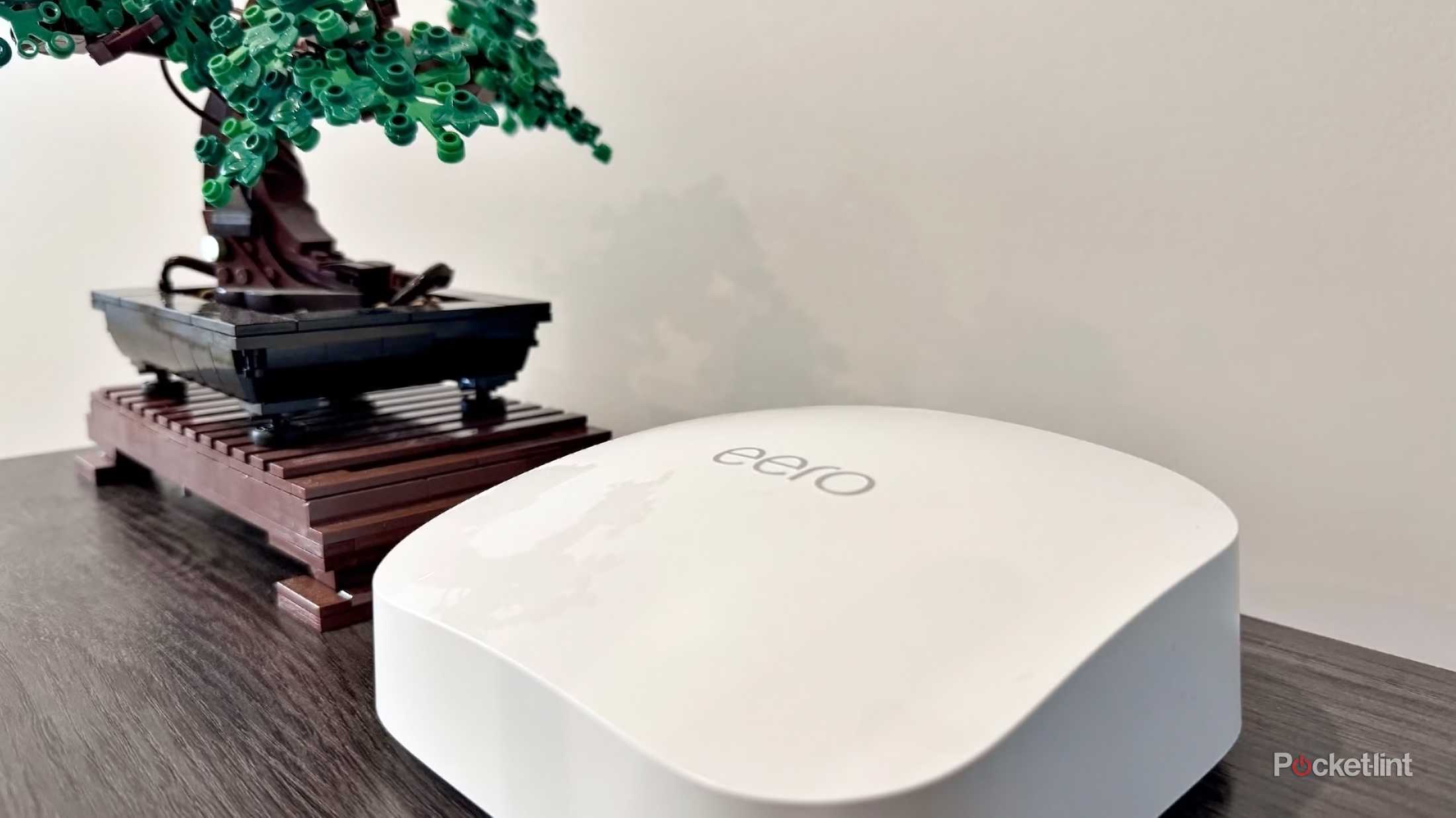
Credit: www.pocket-lint.com
Mesh Wifi Basics
Mesh wifi is a network system that uses multiple devices to spread wifi signals. It helps cover large areas with strong internet.
This system works well in places where a single router cannot reach every corner. It creates a seamless connection for all devices.
How Mesh Wifi Works
Mesh wifi uses several nodes or devices placed around your home or apartment. These nodes communicate with each other to share internet signals.
- The main node connects to your modem.
- Secondary nodes spread the wifi signal further.
- Devices connect to the closest node automatically.
- The network adjusts to keep the best signal.
Key Components
Mesh wifi systems have key parts that work together to provide good coverage and speed.
| Component | Function |
| Main Node | Connects to the internet and controls the system |
| Secondary Nodes | Extend the wifi signal to different areas |
| Backhaul | Links nodes for fast data transfer |
| App or Interface | Allows users to manage the network |
Wifi Needs In Apartments
Apartments often have unique wifi needs compared to houses. People want strong internet in every room.
Many devices connect to wifi at once. Good coverage and speed are important to avoid slowdowns.
Common Connectivity Issues
Wifi signals in apartments can be weak or spotty. Many walls and other networks cause interference.
Devices may lose connection or have slow speeds. This is frustrating when streaming or working online.
- Signal drops in some rooms
- Slow speeds during peak hours
- Interference from neighbors’ networks
- Too many devices connected at once
Space And Layout Challenges
Apartments have different layouts that affect wifi coverage. Thick walls and floors block signals.
Small or oddly shaped rooms can create wifi dead zones. Routers placed far from living areas reduce strength.
- Walls made of concrete or metal reduce signal
- Multiple floors need better wifi placement
- Rooms far from the router get weaker signals
- Furniture and appliances can block wifi waves
Wifi Needs In Houses
Wifi is important for every home to connect devices. Houses often have many rooms and floors. This can make it hard for wifi signals to reach every corner.
Choosing the right wifi system helps keep the internet fast and reliable. Different houses have different wifi needs based on size and layout.
Coverage Over Larger Areas
Large houses need wifi that covers all rooms and outdoor areas. A single router may not reach every spot. Mesh wifi systems can help by using multiple units.
- Mesh wifi spreads signal evenly across big spaces
- It uses several points to avoid weak spots
- Good for multi-story homes with many rooms
- Allows smooth connection as you move around
Obstacles And Interference
Walls, floors, and furniture block wifi signals. Other electronics can cause interference. These issues reduce wifi speed and reliability.
| Obstacle | Effect on Wifi | Example |
|---|---|---|
| Thick walls | Weaken signal strength | Brick or concrete walls |
| Metal objects | Block or reflect signals | Appliances and metal furniture |
| Other electronics | Cause interference | Microwaves and cordless phones |
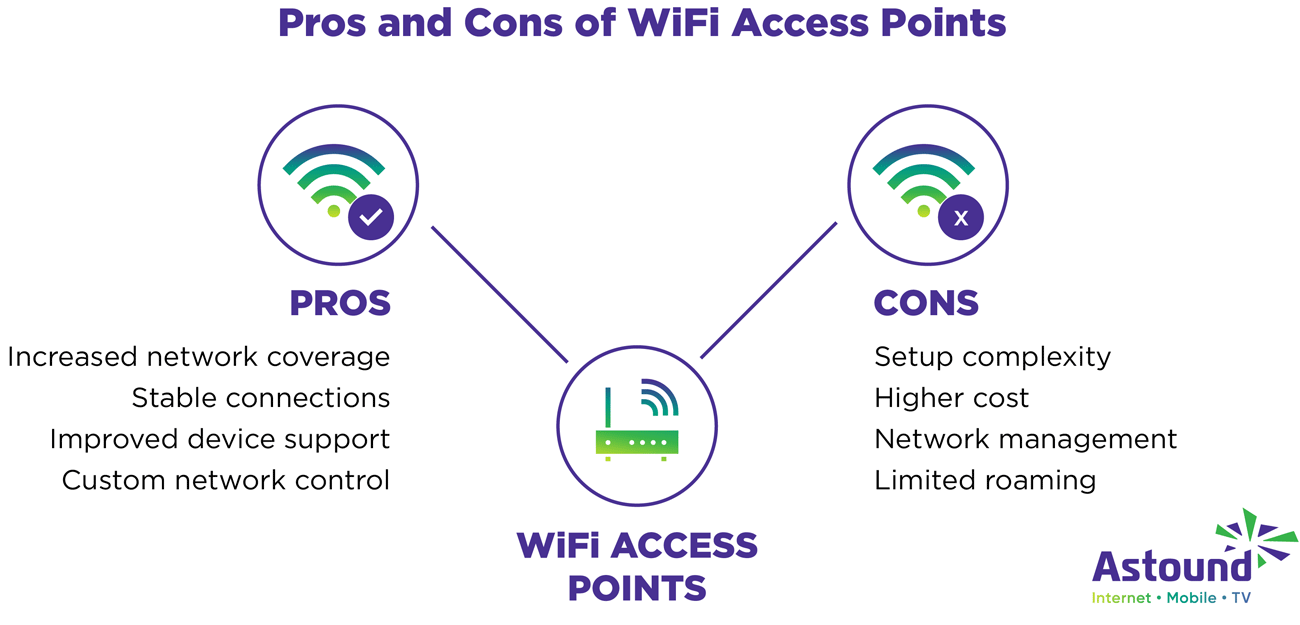
Credit: www.astound.com
Benefits Of Mesh Wifi In Apartments
Mesh wifi systems can improve internet coverage in apartments. They use multiple devices to spread wifi signals evenly.
This helps solve common wifi problems in apartments, like weak signals and slow speeds.
Eliminating Dead Zones
Apartments often have walls that block wifi signals. Mesh wifi can cover these dead zones.
Each mesh device sends wifi signals to areas where the main router cannot reach well.
- Provides strong wifi in every room
- Reduces signal drops during use
- Supports many devices at once
Easy Setup And Management
Mesh wifi systems are simple to set up. You just place the devices around your apartment.
Many mesh systems come with apps that help you control and check your network easily.
- Quick installation without technical skills
- Easy to add more devices if needed
- Manage wifi settings from your phone
Benefits Of Mesh Wifi In Houses
Mesh wifi systems help improve internet signals in houses. They spread wifi evenly to many rooms.
These systems work well in big or multi-story homes. They keep your devices connected without drops.
Seamless Coverage Across Rooms
Mesh wifi covers all rooms with strong signals. It removes wifi dead zones in your house.
Each mesh device talks to others to share internet. You get smooth wifi when you move inside.
- No more dropped connections in far rooms
- Easy to use for streaming and video calls
- Works well through walls and floors
Scalability For Bigger Homes
Mesh wifi lets you add devices to cover bigger areas. You can grow your network as your home grows.
Adding more mesh points keeps speeds fast everywhere. You avoid slow wifi even in large houses.
- Start with a few mesh units
- Add more units for new rooms or floors
- Control the system easily from one app

Credit: www.reddit.com
Comparing Mesh Wifi With Traditional Routers
Mesh wifi systems and traditional routers serve the same purpose: providing internet access. Each has strengths that suit different homes and needs.
Choosing the right system depends on your space and how you use the internet. Let’s explore the main differences in performance and cost.
Performance Differences
Mesh wifi offers wider coverage by using multiple nodes spread around the home. Traditional routers rely on a single device to cover all areas.
- Mesh wifi reduces dead zones in large or multi-story houses.
- Traditional routers can have weaker signals in distant rooms.
- Mesh systems automatically connect devices to the best node.
- Traditional routers may need extenders for better range.
- Mesh networks handle many devices smoothly.
In apartments, a strong single router may be enough due to smaller space. Houses benefit more from mesh systems because of their size.
Cost Considerations
Traditional routers usually cost less upfront. Mesh wifi systems have a higher price but offer better coverage.
| Type | Initial Cost | Coverage | Upgrade Ease |
| Traditional Router | Low | Limited | Needs separate extenders |
| Mesh Wifi | High | Wide | Easy, add more nodes |
Mesh systems can save money over time by avoiding extra extenders. Traditional routers may need added equipment for big homes.
Installation Tips For Apartments
Mesh WiFi systems can improve internet coverage in apartments. They are easy to set up and manage.
Here are some tips to help you install a mesh WiFi network in your apartment effectively.
Placement Strategies
Proper placement of mesh nodes ensures good coverage. Think about where you spend the most time.
Keep nodes away from walls and metal objects. This helps the signal reach more areas.
- Place nodes in central locations
- Avoid corners and closed spaces
- Set nodes at eye level for better range
Dealing With Interference
Interference can reduce your WiFi quality. Many devices use the same frequency bands.
Minimize interference by keeping nodes away from other electronics. Use different WiFi channels if needed.
- Keep routers away from microwaves
- Avoid placing nodes near Bluetooth devices
- Use 5GHz band for less crowded frequency
Installation Tips For Houses
Mesh WiFi systems can improve internet coverage in large houses. Proper installation ensures strong, reliable connections.
Follow these tips to optimize your mesh WiFi setup at home. Correct node placement is key for seamless connectivity.
Optimal Node Placement
Place nodes in open areas for the best signal. Avoid obstacles like walls or large furniture.
Ensure nodes are within range of each other. This creates a strong mesh network throughout the house.
- Central locations provide the best coverage
- High spots improve signal strength
- Avoid placing nodes near microwaves or metal objects
Extending Coverage Outdoors
Extend mesh WiFi to your backyard or patio. Place a node near windows or doors facing the outdoor area.
Consider weatherproof nodes for outdoor use. They ensure a stable connection, even in harsh conditions.
| Area | Node Placement |
| Patio | Near patio doors or windows |
| Garden | Outdoor node at the edge of the house |
When Mesh Wifi Might Not Be Ideal
Mesh wifi systems can improve coverage in many homes. Still, they are not always the best choice. Some situations may not need a mesh network.
This section explains when mesh wifi might not be worth it. It looks at smaller spaces and budget limits.
Smaller Spaces With Minimal Devices
In small apartments or houses, a single wifi router often covers the whole area well. If you have only a few devices, mesh wifi can be too much. It adds cost without many benefits.
- Small area means less signal loss
- Few devices reduce network strain
- Single router is easier to manage
- Mesh nodes may cause overlap and interference
Budget Constraints
Mesh wifi systems cost more than regular routers. If you have a tight budget, buying a mesh system may not be smart. You can get a strong router for less money.
| Network Type | Average Cost |
| Single Router | $50 – $150 |
| Basic Mesh System | $150 – $300 |
| Advanced Mesh System | $300 and up |
Popular Mesh Wifi Systems To Consider
Mesh wifi systems help spread internet signals evenly in homes and apartments. They use multiple devices called nodes to cover large areas. This makes your wifi strong everywhere.
Choosing the right mesh wifi depends on your living space. Some systems work better in apartments, while others fit larger houses. Here are popular brands for both.
Top Brands For Apartments
Apartments usually have smaller spaces and thick walls. Mesh wifi systems for apartments focus on strong signals in tight areas. They are easy to set up and manage.
- Google Nest Wifi: Simple design and good coverage for small spaces
- TP-Link Deco: Affordable with strong security features
- Eero 6: Easy to use and works well with smart home devices
- Netgear Orbi Mini: Compact and strong signal for apartments
Top Brands For Houses
Houses often need wider wifi coverage. Mesh systems for houses focus on reaching many rooms and outdoor areas. They have more powerful nodes and better speed.
- Netgear Orbi: Covers large homes with fast wifi
- Asus ZenWiFi: Offers strong security and fast speeds
- Linksys Velop: Works well in multi-story houses
- Google Nest Wifi Pro: Supports high speed and many devices
Frequently Asked Questions
Is Mesh Wifi Better For Large Houses?
Mesh WiFi improves coverage in large houses by eliminating dead zones. It uses multiple nodes to provide seamless, strong signals throughout the home. This setup ensures stable connections in every room, making it ideal for bigger spaces.
Can Mesh Wifi Work Well In Apartments?
Yes, mesh WiFi works well in apartments. It overcomes signal interference from walls and neighbors by using multiple access points. This results in consistent, reliable internet even in dense living environments.
How Does Mesh Wifi Compare To Traditional Routers?
Mesh WiFi offers better coverage and seamless roaming than traditional routers. It uses several nodes to blanket your space with WiFi, unlike a single router. This reduces dropouts and improves overall network performance.
Is Mesh Wifi Worth The Cost For Small Homes?
For small homes, mesh WiFi may not be cost-effective. A good traditional router often provides sufficient coverage. However, mesh systems add value if you face interference or want easy network expansion.
Conclusion
Mesh WiFi suits both apartments and houses well. It spreads signals evenly across all rooms. Apartments benefit from fewer walls blocking WiFi signals. Houses need strong coverage for larger spaces and multiple floors. Mesh systems allow easy internet access everywhere at home.
They also adapt as your space or needs change. Choosing the right system depends on your home size and budget. Good WiFi means smooth streaming, gaming, and working from anywhere. Mesh WiFi offers a simple way to improve your internet experience.