Are you wondering if Wifi 6E is really better than Wifi 6? You’re not alone.
With so many new tech terms flying around, it’s easy to get confused about what actually makes a difference for your internet speed and connection. Imagine streaming your favorite shows without buffering or having every device in your home run smoothly at the same time.
That’s what this comparison is all about. Keep reading to discover how Wifi 6E stacks up against Wifi 6—and find out which one can truly boost your online experience.
Wifi 6 Vs Wifi 6e
Wifi 6 and Wifi 6E are new wireless standards. They offer faster speeds and better connections than older Wifi.
Many people wonder if Wifi 6E is better than Wifi 6. Let’s look at how they compare.
Frequency Bands Explained
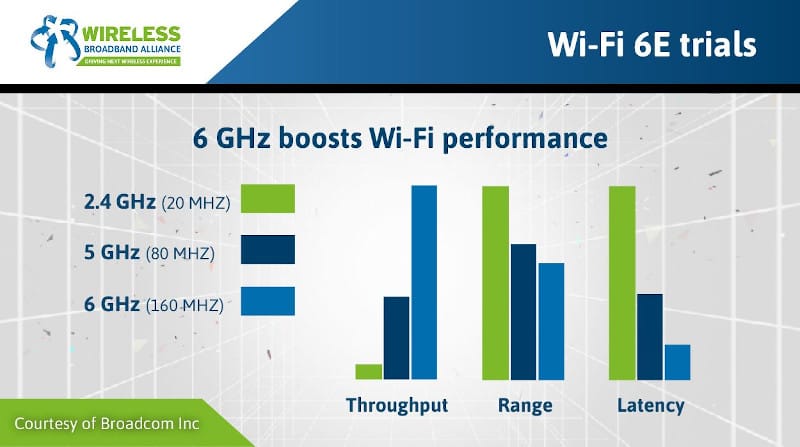
Wifi 6 works on the 2.4 GHz and 5 GHz bands. These bands carry wireless signals to your devices.
Wifi 6E adds a new 6 GHz band. This band has more space for devices to use.
- 2.4 GHz: Longer range but slower speed
- 5 GHz: Faster speed but shorter range
- 6 GHz (Wifi 6E only): More channels and less interference
Key Technical Differences
Wifi 6E offers extra channels in the 6 GHz band. This means less traffic and faster connections.
Both Wifi 6 and 6E use the same basic technology. The main difference is the new 6 GHz band in Wifi 6E.
| Feature | Wifi 6 | Wifi 6E |
|---|---|---|
| Frequency Bands | 2.4 GHz, 5 GHz | 2.4 GHz, 5 GHz, 6 GHz |
| Maximum Speed | Up to 9.6 Gbps | Up to 9.6 Gbps (with less congestion) |
| Channel Width | Up to 160 MHz | Up to 160 MHz (more channels available) |
| Device Support | Many devices | New devices that support 6 GHz |
| Interference | Possible from other devices | Less interference due to new band |
Speed Comparison
WiFi 6E is the newest version of WiFi 6. It offers faster speeds and less interference. This article compares their speed in different ways.
We look at maximum throughput and real-world performance. This helps you understand which is better for your needs.
Maximum Throughput
Maximum throughput is the highest data rate a WiFi standard can reach. WiFi 6E adds a new 6 GHz band. This gives extra channels for data transfer.
| Feature | WiFi 6 | WiFi 6E |
|---|---|---|
| Frequency Bands | 2.4 GHz, 5 GHz | 2.4 GHz, 5 GHz, 6 GHz |
| Max Channel Width | 160 MHz | 160 MHz |
| Max Throughput | Up to 9.6 Gbps | Up to 9.6 Gbps (more channels available) |
| Number of Channels | Up to 16 (5 GHz) | Up to 59 (6 GHz) |
The extra channels on 6 GHz let WiFi 6E handle more data at once. This reduces congestion and improves peak speed.
Real-world Performance
Real-world speed depends on many factors. These include device support, interference, and distance from the router.
- WiFi 6E performs better in crowded areas due to less interference.
- Devices must support 6 GHz to use WiFi 6E advantages.
- Walls and objects can reduce speeds on all WiFi bands.
- WiFi 6E’s 6 GHz band has shorter range than 2.4 GHz.
- Using 6 GHz can improve speed if you are near the router.
In simple terms, WiFi 6E offers faster speed in clear, open spaces. WiFi 6 remains strong in mixed device setups and longer ranges.
Latency And Responsiveness
Latency means the delay before data starts to move. Responsiveness shows how fast a network reacts.
Wifi 6E offers lower latency and better responsiveness than Wifi 6. This is due to new frequency bands.
Impact On Gaming
Lower latency in Wifi 6E means faster game response times. Players see actions happen quickly on screen.
Wifi 6E uses less crowded channels. This reduces lag and connection drops during gaming sessions.
- Faster reaction to player inputs
- Less delay in multiplayer games
- Stable connections even with many devices
Video Streaming Benefits
Wifi 6E reduces buffering by lowering latency. Videos load faster and play smoothly without pauses.
This technology handles high-quality streams better. It supports 4K or 8K video without interruptions.
- Quick start of video playback
- Smoother streaming with fewer pauses
- Better support for multiple streams at once

Credit: cynexel.com
Range And Coverage
WiFi 6E adds a new frequency band to the existing WiFi 6 bands. It uses the 6 GHz band along with 2.4 GHz and 5 GHz. This affects the range and coverage of the network.
Range means how far the WiFi signal can travel. Coverage means how well the signal fills an area. Both are important for good internet connection at home or work.
Signal Penetration
Signal penetration is how well the WiFi signal passes through walls and objects. WiFi 6E uses higher frequencies, which do not pass through walls as easily.
WiFi 6 uses lower frequencies that travel farther through walls. This means WiFi 6 often covers larger areas inside buildings better than WiFi 6E.
Interference Factors
Interference happens when many devices use the same WiFi band. It can slow down your connection and reduce coverage.
WiFi 6E has less interference because the 6 GHz band is less crowded. This can improve speed and coverage in busy areas.
- WiFi 6E faces less interference from older devices
- WiFi 6 bands are more crowded with many users
- Less interference means more stable coverage
Device Compatibility
WiFi 6E and WiFi 6 are the newest WiFi standards. Both offer fast speeds and better performance.
Device compatibility plays a big role in choosing between WiFi 6E and WiFi 6. Not all devices support both.
Current Device Support
Most new devices support WiFi 6, but WiFi 6E support is still limited. WiFi 6E needs special hardware.
Devices with WiFi 6E can use the 6 GHz band, giving faster and less crowded connections.
- Many smartphones from 2020 and later support WiFi 6.
- Only a few devices released in 2021 or later support WiFi 6E.
- Laptops and routers with WiFi 6E are less common but growing.
Future-proofing Your Network
WiFi 6E will become more common as device makers add support. It offers newer technology for future needs.
Choosing WiFi 6E now can prepare your home or office for new devices and less interference later.
- WiFi 6E uses the 6 GHz band, which will stay less crowded for years.
- Networks with WiFi 6E can handle more devices at once.
- Older devices will still work on WiFi 6 bands without issues.
Network Congestion Handling
Wifi 6E and Wifi 6 are both modern technologies. They offer improved network performance. But how do they handle network congestion?
Understanding this can help users choose the right option. Especially in busy areas where many devices connect.
Channel Availability
Wifi 6E has more channels than Wifi 6. This is because it uses a new 6 GHz band. More channels mean less interference.
Wifi 6 operates on 2.4 GHz and 5 GHz bands. These bands are often crowded. Extra channels in Wifi 6E help reduce congestion.
- Wifi 6E: More channels, less congestion
- Wifi 6: Fewer channels, more interference
Crowded Environments
In crowded places, Wifi 6E performs better. It handles more connections smoothly. This is ideal for apartments and offices.
Wifi 6 can struggle in crowded areas. With fewer available channels, it faces more traffic jams. Wifi 6E’s new band helps with this.
| Wifi 6E | Better for crowded places |
| Wifi 6 | May face congestion issues |
Security Enhancements
Wifi 6E and Wifi 6 are both advanced wireless technologies. They offer improved speed and connectivity. But what about security? Let’s explore the security enhancements.
Security is crucial in wireless networks. It’s important to understand how Wifi 6E improves on Wifi 6 in terms of protocols and encryption.
New Protocols
Wifi 6E introduces new protocols for better security. These protocols help protect your data from cyber threats.
New protocols ensure devices communicate securely. This reduces the risk of unauthorized access.
- Improved device authentication
- Enhanced network visibility
- Stronger access control
Improved Encryption
Encryption is vital for protecting data. Wifi 6E offers improved encryption methods compared to Wifi 6.
These encryption methods make it harder for hackers to intercept data. They ensure data remains safe and secure.
- Advanced encryption standard (AES) enhancements
- Better key management
- Increased data privacy
Credit: www.nogentech.org
Cost And Availability
Wifi 6E is the latest wireless technology. It builds on Wifi 6 by adding new frequency bands. This change can affect how much devices cost and how easy it is to find them.
Understanding the cost and availability helps you decide if Wifi 6E is worth buying instead of Wifi 6.
Router Pricing
Wifi 6 routers are more common and less costly than Wifi 6E routers. Wifi 6E devices use newer technology, making them pricier now.
Prices for Wifi 6E routers usually start higher. Over time, prices may drop as the technology becomes widespread.
- Wifi 6 routers: generally affordable and widely available
- Wifi 6E routers: cost more due to new features and parts
- Early adoption of Wifi 6E means paying a premium
Isp Support
Internet Service Providers (ISPs) usually support Wifi 6 devices now. Support for Wifi 6E is just starting to appear.
Most ISPs offer routers with Wifi 6. Few provide Wifi 6E routers or special plans for them.
- Wifi 6 routers: widely supported by ISPs
- Wifi 6E routers: limited ISP support currently
- Check with your ISP before choosing Wifi 6E
When To Upgrade
Deciding to upgrade from WiFi 6 to WiFi 6E depends on your needs and setup. WiFi 6E offers access to the 6 GHz band, which can reduce interference and increase speed.
Not everyone needs to switch right away. It helps to check your devices and internet use before upgrading.
Assessing Your Needs
Look at how many devices connect to your WiFi and what tasks you do online. If you stream HD videos, play online games, or have many smart devices, WiFi 6E can help.
Also, check if your devices support WiFi 6E. Without compatible devices, you won’t get the full benefits of the new standard.
- Number of devices connected at once
- Types of online activities (streaming, gaming, work)
- Device compatibility with WiFi 6E
- Current WiFi speed and connection issues
Balancing Cost And Benefits
Upgrading to WiFi 6E means buying a new router and possibly new devices. These costs can be high compared to the speed gain you get.
Consider if your internet plan matches the faster WiFi. Faster WiFi won’t help if your internet speed is slow.
- Cost of WiFi 6E router and compatible devices
- Current internet plan speed
- Improvement in connection and speed needed
- Longevity and future-proofing of your network
Credit: www.telecoms.com
Frequently Asked Questions
What Is The Main Difference Between Wifi 6 And Wifi 6e?
WiFi 6E extends WiFi 6 into the 6 GHz band, offering less interference and more bandwidth. This means faster speeds and lower latency for compatible devices.
Does Wifi 6e Offer Faster Speeds Than Wifi 6?
Yes, WiFi 6E can provide faster speeds due to the wider 6 GHz spectrum. It supports more channels, reducing congestion and improving performance.
Are Wifi 6 Devices Compatible With Wifi 6e Networks?
WiFi 6 devices work on 2. 4 GHz and 5 GHz bands but cannot use the 6 GHz band. Only WiFi 6E devices support the new 6 GHz frequencies.
Is Wifi 6e Better For Crowded Environments?
Yes, WiFi 6E reduces interference with its new 6 GHz band, making it ideal for crowded areas. It provides a smoother experience with less network congestion.
Conclusion
Wifi 6E offers a wider band and less interference than Wifi 6. It works well for many devices and busy networks. Still, Wifi 6 provides strong speed and reliability for most users. Choosing depends on your needs and device support.
Both improve your internet experience. Consider your budget and future devices before deciding. Either way, upgrading will help your connection stay fast and steady.