Are you tired of spotty WiFi that makes your smart cameras and sensors lag or lose connection? You’re not alone.
Your home’s security and automation depend on a steady, strong network. That’s where mesh WiFi comes in. Imagine seamless coverage that follows you from room to room, keeping every device connected without interruption. You’ll discover how mesh WiFi can transform the way your smart cameras and sensors work, giving you peace of mind and smoother control.
Ready to unlock the full potential of your smart home? Keep reading.
Credit: www.walmart.ca
Benefits Of Mesh Wifi For Smart Devices
Mesh Wifi systems help smart cameras and sensors work better at home or office. They improve how devices connect and share data.
These systems use many points to spread internet evenly. This helps smart devices stay online without drops or slowdowns.
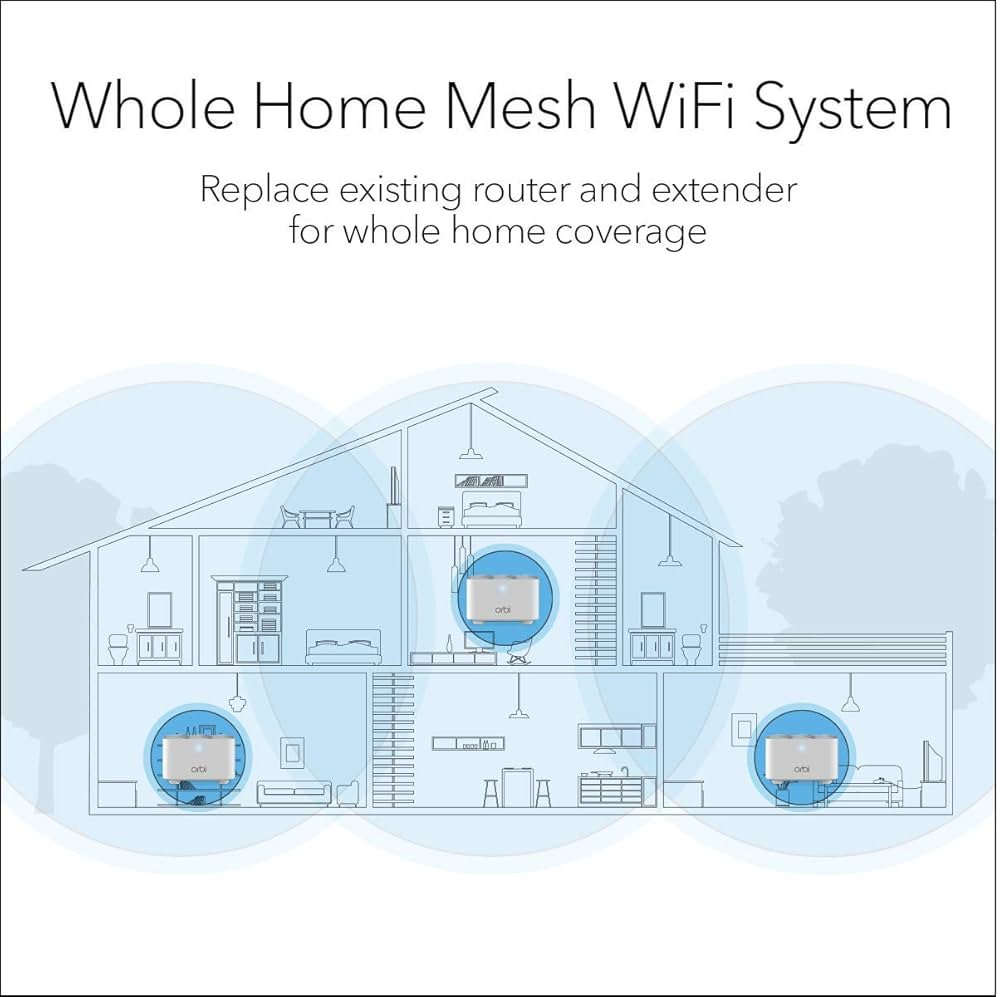
Improved Coverage And Signal Strength
Mesh Wifi covers large areas with a strong signal. It stops dead zones where cameras or sensors lose connection.
Each mesh point boosts the signal, so smart devices get clear and steady internet. This helps cameras stream video without lag.
- Covers every corner of the home or office
- Stronger WiFi signal for all smart devices
- Reduces spots with weak or no signal
Seamless Device Handoff
Mesh Wifi lets smart cameras and sensors switch smoothly between points. Devices stay connected even when moving around.
This handoff stops interruptions in video or sensor data. It is important for security and smart home automation.
- Devices switch without losing connection
- Continuous video streaming for cameras
- Reliable sensor alerts without delay
Enhanced Network Reliability
Mesh Wifi creates a strong and stable network. If one point stops working, others keep the network alive.
This reliability is key for smart devices that monitor safety or control home systems. It keeps them running all the time.
- Network stays on even if one point fails
- Less chance of smart device disconnections
- Better performance for important alerts

Credit: www.reddit.com
Choosing The Right Mesh Wifi System
Smart cameras and sensors need a strong wifi connection to work well. A mesh wifi system can help cover your whole home with good signal.
Picking the right system means looking at how it works with your devices, speed, and security. This guide will help you decide what to check.
Compatibility With Smart Cameras And Sensors
Not all mesh wifi systems support every smart device. Check if your cameras and sensors work with the system’s frequency bands and standards.
- Look for support of 2.4 GHz and 5 GHz bands for better device connection.
- Check if the system works with your smart home platform like Alexa or Google Home.
- Make sure the system can handle many devices at once without dropping connections.
Speed And Bandwidth Considerations
Smart cameras and sensors need good speed and enough bandwidth. This keeps video clear and sensors responsive.
| Feature | Why It Matters |
| High Mbps Speed | Supports smooth video streaming |
| Dual-Band or Tri-Band | Separates traffic to avoid slowdowns |
| Good Coverage | Reaches all corners of your home |
| Low Latency | Keeps sensor alerts fast and accurate |
Security Features To Look For
Security protects your smart devices from hackers and keeps your data safe. Choose a mesh system with strong security.
- Look for WPA3 encryption for the latest protection.
- Check if the system offers automatic updates to fix security issues.
- Choose systems with guest networks to keep visitors separate from your devices.
- Consider parental controls to manage device access.
Setting Up Mesh Wifi For Smart Home Devices
Mesh wifi helps smart cameras and sensors stay connected. It spreads wifi signals through many nodes. This setup creates a strong network for your smart home.
Smart devices need good wifi coverage to work well. Setting up mesh wifi correctly keeps your devices online without interruptions.
Optimal Placement Of Mesh Nodes
Place mesh nodes where wifi signals can travel easily. Avoid thick walls and metal objects that block signals. Space nodes evenly for best coverage.
- Put nodes in open areas like living rooms or hallways
- Keep nodes away from microwaves and cordless phones
- Place nodes high on shelves or walls
- Use a node near smart cameras and sensors
Configuring Network Settings
Adjust your mesh wifi settings to support many smart devices. Use a strong password to keep the network secure. Enable automatic updates for your router and nodes.
| Setting | Recommended Option |
| SSID Name | Unique and easy to recognize |
| Security Type | WPA3 or WPA2 |
| Channel Selection | Auto or least crowded channel |
| Firmware | Latest version installed |
Integrating Devices With The Mesh Network
Connect smart cameras and sensors to your mesh wifi network for smooth operation. Follow device instructions to join the network. Check device apps to confirm connection status.
- Turn on the smart device and open its app
- Select your mesh wifi network from the list
- Enter the wifi password carefully
- Test the device connection and signal strength
- Place devices where signal is strong and stable
Troubleshooting Connectivity Issues
Mesh WiFi systems help smart cameras and sensors stay connected around your home. Sometimes, devices lose connection or work slowly. Fixing these problems keeps your smart devices running well.
This guide covers common problems, how to manage signal drops, and why updates matter. Use these tips to improve your mesh WiFi experience.
Common Problems And Fixes
Smart cameras and sensors may face slow speeds, drops, or no connection. These issues often come from weak signals or device settings.
- Check if devices are too far from mesh nodes. Move them closer if needed.
- Restart your mesh router and smart devices to refresh connections.
- Make sure your devices have the correct WiFi password.
- Reset devices to factory settings if they keep disconnecting.
Managing Interference And Signal Drops
Wireless signals can be blocked or weakened by walls, furniture, or other electronics. This causes connection drops or slow speeds for your smart devices.
| Cause | Solution |
| Thick walls or floors | Place mesh nodes in open areas or near devices |
| Other wireless devices (microwaves, cordless phones) | Move mesh nodes away from these devices |
| Too many connected devices | Limit devices per node or upgrade mesh system |
| Distance from mesh node | Add more nodes to cover the area |
Firmware Updates And Maintenance
Firmware updates fix bugs and improve mesh WiFi performance. Keep your mesh system and smart devices updated to avoid connection issues.
- Check the mesh router app for available updates.
- Install updates during low activity hours.
- Restart devices after updates finish.
- Regularly reboot your mesh system to clear temporary errors.
Advanced Tips For Enhanced Performance
Mesh WiFi systems improve coverage for smart cameras and sensors. Using them well helps avoid weak signals and delays.
These tips focus on optimizing your network to keep smart devices running smoothly and securely.
Prioritizing Smart Devices
Set your mesh WiFi to give priority to smart cameras and sensors. This helps keep their connection strong and stable.
- Access your router’s settings page.
- Locate the Quality of Service (QoS) feature.
- Add your smart devices by MAC or IP address.
- Assign high priority to these devices.
- Save changes and reboot if needed.
Using Guest Networks For Visitors
Create a guest network to keep visitors’ devices separate from your smart home devices. This improves security and reduces interference.
| Benefit | Description |
| Security | Protects smart devices from unknown connections |
| Bandwidth | Limits guest device usage to avoid slowing smart devices |
| Privacy | Keeps smart device data separate from visitor traffic |
Monitoring Network Usage
Track data use to spot issues and improve performance. Many mesh systems offer apps or dashboards for this.
- Check which devices use the most data.
- Look for unusual spikes in network traffic.
- Set alerts for when data limits are reached.
- Regularly update device firmware to fix bugs.

Credit: www.pcmag.com
Frequently Asked Questions
What Is Mesh Wifi For Smart Cameras And Sensors?
Mesh WiFi uses multiple nodes to create a strong, seamless network. It ensures smart cameras and sensors stay connected without interruptions or dead zones.
How Does Mesh Wifi Improve Smart Home Device Performance?
Mesh WiFi provides wider coverage and stable signals. This reduces lag and disconnections, enhancing smart cameras and sensors’ real-time functionality.
Can Mesh Wifi Handle Multiple Smart Devices Simultaneously?
Yes, mesh WiFi efficiently manages many smart devices. It balances network traffic, ensuring smooth data flow for cameras and sensors without slowing down.
Is Mesh Wifi Better Than Traditional Routers For Smart Sensors?
Mesh WiFi offers better range and reliability than traditional routers. It eliminates weak spots, providing consistent connections for smart sensors throughout your home.
Conclusion
Mesh WiFi helps smart cameras and sensors work without interruptions. It spreads the signal evenly across your home or office. This means better coverage and fewer dead zones. Your devices stay connected and respond quickly. Setting up a mesh system is easy and flexible.
This setup supports many smart devices at once. Choose mesh WiFi for a stable and smooth smart home experience. Clear signals keep your security and data reliable. A strong network means peace of mind every day.