Are you tired of dead zones and slow internet in your home? Choosing between Orbi Mesh WiFi and traditional extenders can make a huge difference in your online experience.
But which one is really better for your needs? This guide will help you understand how each works, so you can get faster, stronger WiFi where you want it most. Keep reading to discover the best way to boost your home network and enjoy seamless connectivity every time.
Orbi Mesh Wifi Basics
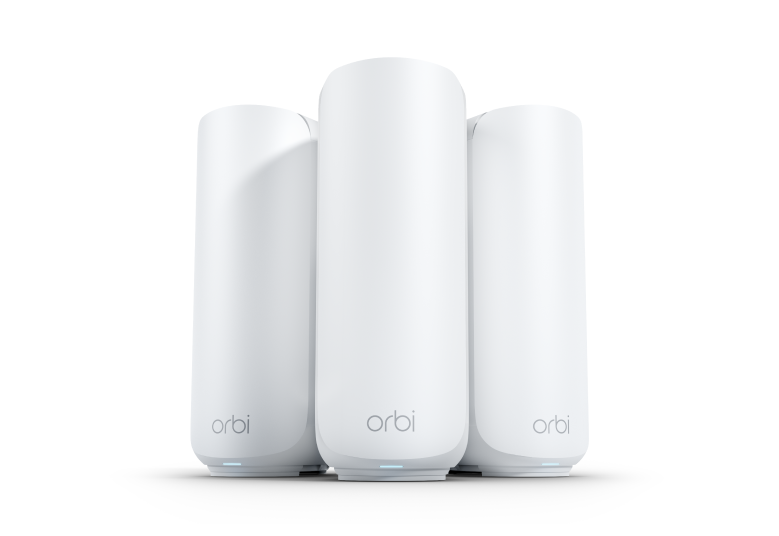
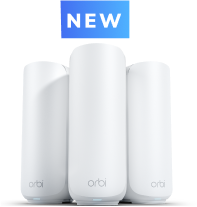
Orbi Mesh Wifi is a system that spreads internet signals evenly in your home. It helps devices connect to WiFi without losing speed.
This system uses several units to cover large areas. It is different from traditional extenders that only boost signals in small spots.
How Orbi Mesh Works
Orbi Mesh uses a main router and satellite units to create one network. This setup lets your devices switch smoothly between units.
- The main router connects to your modem and sends internet signals.
- Satellite units placed around your home receive and send signals.
- All units communicate to keep a strong and fast connection.
- Your device connects to the closest unit automatically.
Key Features Of Orbi Systems
| Feature | Description |
| Whole-Home Coverage | Covers large spaces without dead zones. |
| Single Network Name | Uses one WiFi name for all units. |
| Fast Speeds | Supports high-speed internet on all devices. |
| Easy Setup | Simple app guides you through installation. |
| Automatic Updates | Keeps system secure and up to date. |
Credit: www.netgear.com
Wifi Extenders Explained
Wifi extenders help improve wireless signals in your home or office. They boost the range of your existing wifi network.
Extenders connect to your main router and repeat the wifi signal. This helps cover dead spots with weak or no signal.
Functionality Of Wifi Extenders
Wifi extenders receive the signal from your router and then send it out again. They increase the area your wifi covers.
Extenders create a second network name or use the same name as your router. Devices connect to the strongest signal available.
- Pick up wifi signals from your main router
- Amplify the signal strength
- Broadcast the boosted signal to weak areas
- Help devices stay connected farther from the router
Types Of Extenders
There are several types of wifi extenders. Each type works best in different situations.
Choose the extender type based on your home layout and internet needs.
- Plug-in Extenders:Small devices that plug into a power outlet. Easy to set up.
- Desktop Extenders:Larger units that sit on a desk or shelf. Usually have better antennas.
- Mesh Wifi Systems:Multiple units work together to create one large network.
- Powerline Extenders:Use electrical wiring to send internet signals to hard-to-reach areas.
Speed Comparison
Choosing between Orbi Mesh Wifi and extenders depends on speed needs. Both improve coverage but differ in performance.
This comparison focuses on how fast each option works under real conditions and their effect on network delay.
Performance In Real-world Scenarios
Orbi Mesh Wifi uses multiple devices that connect directly to each other. This creates a strong, fast network everywhere in your home.
Extenders repeat the signal from your main router. This can lower speed because the signal travels twice.
- Orbi Mesh offers more consistent speed across large areas.
- Extenders may cause slower speeds in far rooms.
- Mesh systems handle many devices better than extenders.
- Extenders are easier to set up but may reduce bandwidth.
Impact On Network Latency
Latency means the time it takes for data to travel in your network. Lower latency means faster responses.
| Device Type | Average Latency (ms) | Effect on Streaming |
| Orbi Mesh Wifi | 20 | Very Smooth |
| Extenders | 40 | Possible Buffering |
Orbi Mesh systems keep latency low by using dedicated channels for data backhaul. Extenders share the same channel, adding delay.

Credit: www.amazon.ca
Coverage Differences
Orbi Mesh WiFi and extenders both aim to expand your WiFi coverage. Their technology and coverage differ in important ways.
Understanding these differences helps you choose the right option for your home or office.
Range Capabilities
Orbi Mesh WiFi uses multiple units that work as one system. This setup covers a larger area without losing signal strength.
WiFi extenders catch the signal from your router and rebroadcast it. This can increase range but may reduce speed and quality.
- Orbi Mesh covers up to 5,000 square feet with two units.
- Extenders usually add coverage of about 1,200 to 1,500 square feet.
- Mesh systems add more nodes easily for wider coverage.
- Extenders often cause signal overlap and dead zones.
Signal Stability
Orbi Mesh uses a dedicated backhaul channel for communication between units. This keeps the signal strong and stable throughout the network.
Extenders share the same channel for receiving and sending data. This can cause interference and slower speeds.
| Feature | Orbi Mesh WiFi | WiFi Extenders |
| Signal Strength | Strong and consistent | Weaker and fluctuates |
| Speed | High with less drop | Reduced due to rebroadcast |
| Interference | Minimal with dedicated channel | Higher due to shared channel |
| Seamless Roaming | Yes | No |
Setup And Usability
Orbi Mesh WiFi and WiFi extenders both help improve wireless coverage at home. They differ in how you set them up and use them daily.
This guide compares their installation process and user experience to help you understand their usability.
Installation Process
Orbi Mesh WiFi systems come with a main router and one or more satellite units. You place satellites around your home to create one strong network.
WiFi extenders connect to your existing router and rebroadcast the signal. They create a separate network that you must join manually.
- Orbi setup uses a single network name for all devices.
- Extenders require switching networks in different areas.
- Orbi setup includes a guided app for easy installation.
- Extenders often need manual configuration via a web page.
User Experience And Management
Orbi offers a simple app to manage all units in one place. The app shows device status and lets you pause internet or change settings easily.
WiFi extenders usually have limited control options. You may need to access each extender separately to adjust settings.
- Orbi auto-connects devices as you move around your home.
- Extenders may require manual network switching.
- Orbi app provides real-time speed and coverage info.
- Extenders have basic controls and less detailed info.
Cost And Value
Choosing between Orbi Mesh WiFi and extenders involves cost and value. Consider initial investment and long-term benefits before deciding.
Both Orbi Mesh and extenders improve home internet. Each has different costs and values to think about.
Initial Investment
The first cost of Orbi Mesh WiFi is higher than extenders. This is due to the advanced technology and wider coverage.
| Option | Average Cost |
| Orbi Mesh WiFi | $300 – $500 |
| WiFi Extender | $20 – $100 |
Long-term Benefits
Over time, Orbi Mesh offers better value. It provides consistent speed and reliable connections throughout your home.
- Seamless coverage across large areas
- Fewer connectivity drops
- Easy network management
- Future-proof technology
Ideal Use Cases
Choosing between an Orbi Mesh WiFi system and extenders depends on your home and internet needs. Both have their strengths in different scenarios.
Understanding where each technology excels can help you make the best choice for your home network.
Best Scenarios For Orbi Mesh
Orbi Mesh WiFi is great for large homes with many rooms. It provides seamless coverage without dead zones.
This system is ideal for users who need reliable connections for smart devices and streaming.
- Homes over 2,000 square feet
- Multiple floors or complex layouts
- Many connected devices
When To Choose Extenders
WiFi extenders work well in smaller homes or apartments. They help boost signal in specific areas without needing a full mesh system.
Extenders are a budget-friendly option for improving coverage in a few key spots.
- Small to medium-sized homes
- Budget constraints
- Boosting signal in one or two rooms

Credit: www.pcmag.com
Frequently Asked Questions
What Is The Main Difference Between Orbi Mesh And Extenders?
Orbi Mesh creates a seamless WiFi network with multiple nodes. Extenders boost existing signals but create separate networks. Mesh offers better coverage and speed consistency than extenders.
Are Orbi Mesh Systems Better Than Wifi Extenders?
Yes, Orbi Mesh systems provide more stable connections and wider coverage. They eliminate dead zones efficiently compared to extenders, which can reduce speed and create network interruptions.
How Does Orbi Mesh Improve Home Wifi Coverage?
Orbi Mesh uses multiple nodes that communicate for full coverage. This creates one unified network with strong signals across all areas. It reduces dead zones better than extenders.
Can Wifi Extenders Slow Down My Internet Speed?
Yes, extenders often halve your bandwidth because they use the same channel for backhaul and client connections. This may cause slower speeds and latency compared to Orbi Mesh.
Conclusion
Choosing between Orbi mesh WiFi and extenders depends on your needs. Orbi offers wider coverage with steady speeds. Extenders can be cheaper but may slow your connection. Think about your home size and budget first. Both improve WiFi but in different ways.
A good choice brings fewer dead zones and better internet. Decide what fits your space and use best. Your WiFi should help, not frustrate. Simple steps lead to stronger signals and happier surfing.