Have you ever wondered if you can use a travel router without an internet connection? Maybe you’re planning a trip to a remote spot or want to create a private network on the go.
The good news is, yes—you can. But how does it work, and what can you actually do with it? Keep reading to discover how a travel router can still be your best travel companion, even when there’s no internet around.
You’ll learn simple tips to make the most of your device and stay connected in surprising ways. Don’t miss out!

Credit: whatthetech.tv
Travel Router Basics
Understanding the basics of a travel router is key before deciding how to use it—especially if you’re wondering whether it works without internet. Travel routers are compact devices designed to create a local Wi-Fi network wherever you go. But what exactly makes them useful beyond just connecting to the internet?
What Is A Travel Router?
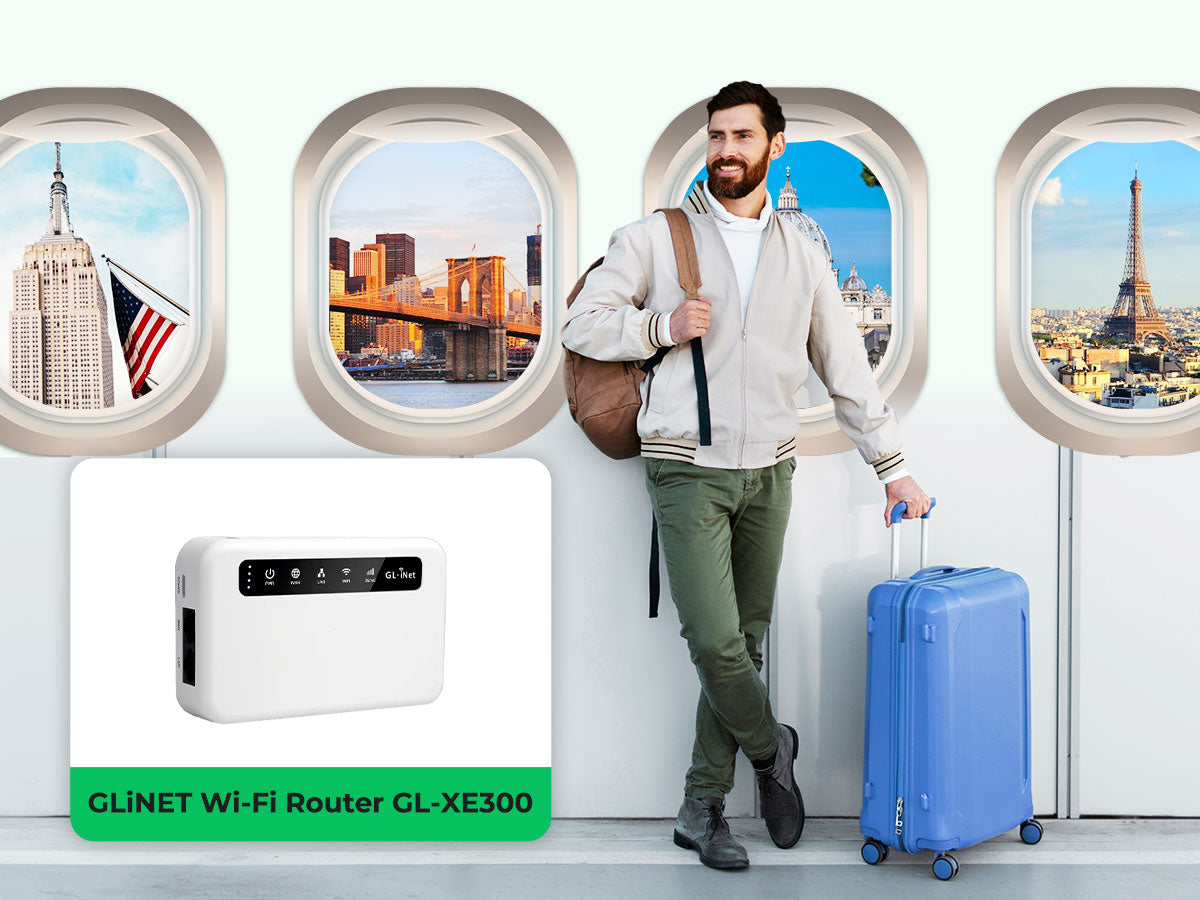
A travel router is a small, portable device that helps you set up a Wi-Fi network on the go. It typically connects to a wired network, a hotel’s Ethernet port, or even a mobile hotspot to share internet access with multiple devices.
But even without internet, it can still function by creating a local wireless network. This local network allows your devices to communicate with each other, share files, or stream media within the network.
Have you ever wanted to connect multiple devices in a hotel room without paying for extra Wi-Fi access? That’s a great example of how travel routers come in handy.
Common Features
- Multiple Connection Modes:Travel routers often support wired, wireless, and 4G connections, giving you flexibility depending on your situation.
- Local Network Creation:Even without an internet source, these routers can create a Wi-Fi network to connect devices locally.
- File Sharing:Some models have USB ports or support SD cards, letting you share files across devices on the network.
- Compact and Portable:Designed to fit in your bag easily, they usually come with USB power options for convenience.
- Security Features:Many offer password protection and encryption to keep your local network safe.
Knowing these features, can you see how a travel router might still be useful, even without an internet connection?
Using A Travel Router Offline
Using a travel router without an internet connection might seem limiting at first, but it opens up a range of useful possibilities. You can still create a private network for sharing files, streaming media, or connecting multiple devices. This setup proves handy during flights, road trips, or any place where internet access is unavailable or unreliable.
Creating A Local Network
You can turn your travel router into a mini local network hub. This means your devices can communicate with each other without needing the internet. For example, you could stream a movie stored on your laptop to your tablet or phone over this private network.
Setting up a local network is usually straightforward. Simply connect your travel router to a power source, then connect your devices to its Wi-Fi signal. The router assigns local IP addresses, allowing devices to find and interact with each other seamlessly.
Imagine sharing photos or documents during a meeting without sending large files over email. A local network helps you do that quickly and securely. Have you ever wished for a simpler way to share files on the go without relying on cloud services?
Connecting Devices Without Internet
Even without internet, your travel router acts as a bridge for devices to connect wirelessly. You can pair smartphones, laptops, cameras, or gaming consoles within the same network to exchange data or play multiplayer games.
This is especially useful in places where cellular signals are weak or non-existent. For instance, during camping trips, you can still connect your devices for entertainment or work purposes. You might set up a portable office where your laptop and printer communicate without internet.
Many travel routers also support features like local media servers or offline file sharing apps. These let you stream music or access documents stored on one device from another within the network. What creative ways could you use an offline network to stay productive or entertained when disconnected?
Benefits Of Offline Use
Using a travel router without internet has unique advantages. It creates a local network for connected devices. This setup works well in places without Wi-Fi or with limited access. You can share files and stream media among devices easily. It keeps your data safe within the network. This offline use brings convenience and privacy during travel or meetings.
Secure File Sharing
A travel router lets you share files directly between devices. No need for cloud services or internet connections. This keeps your documents private and secure. Files transfer faster on a local network. You control who connects and accesses your data. Great for sharing photos, work files, or presentations safely.
Media Streaming Options
You can stream movies, music, or videos using a travel router offline. Connect your devices to the router’s network. Access media stored on a USB drive or a local server. This avoids data charges and slow internet speeds. Perfect for entertainment on planes, trains, or remote locations. Everyone in your group can enjoy the content without interruptions.
Credit: www.eiotclub.com
Setup Tips For Offline Mode
Using a travel router without an internet connection might seem limiting, but it opens up unique ways to manage your local network efficiently. Setting up your device in offline mode requires some thoughtful tweaks to ensure smooth operation and optimal connectivity. Let’s dive into practical tips that can help you get the most out of your travel router even when you’re off the grid.
Configuring The Router
Start by accessing your router’s settings through its default IP address, usually printed on the device or in the manual. Since there’s no internet, focus on creating a strong local network name (SSID) and a secure password to keep your connections safe.
Disable any settings that require an internet connection, such as automatic firmware updates or DNS services. Instead, set static IP addresses for your devices if possible. This helps prevent connection drops and makes device management easier.
Have you noticed how some routers offer guest network options? Enable this feature to separate devices you don’t fully trust from your main network, even without internet access.
Optimizing Device Connections
Once your router is configured, connect your devices carefully to avoid overcrowding the network. Prioritize devices that need consistent communication, like your laptop or media player, especially if you’re sharing files or streaming locally.
Use the router’s Quality of Service (QoS) settings if available. This lets you assign bandwidth priority to certain devices or applications, improving performance where it matters most.
Try to keep your devices within a reasonable distance from the router. Walls and interference can weaken signals, which is frustrating without internet to fall back on. Have you tested the connection strength in different spots around your travel location?
Limitations Without Internet
Using a travel router without internet limits access to online content and services. It can still create a local network for device connection but won’t provide web browsing or streaming. Offline functions work, but internet-based features remain unavailable.
Using a travel router without internet can be a double-edged sword. While it enables local connectivity among your devices, its functionality without the internet is significantly curtailed. Let’s delve into the limitations you might face when you’re off the grid.Restricted Online Access
Without internet connectivity, your travel router can’t provide access to online resources. Imagine trying to stream a movie or download a large file; you’d be out of luck. Your router becomes a mere bridge for sharing files locally among devices, which can be quite limiting. You might ask, what’s the point of having a travel router then? Well, it can still facilitate file sharing or extend an existing Wi-Fi signal, but don’t expect it to magically conjure up an internet connection.App And Firmware Updates
Keeping your router’s firmware up-to-date is crucial for security and performance. However, without internet access, downloading the latest updates becomes impossible. You could manually update the firmware by downloading it elsewhere and transferring it, but that’s cumbersome. Have you ever thought about how a lack of updates might expose your network to vulnerabilities? It’s a risk that many overlook until it’s too late. Consider the apps you use frequently. Many require an internet connection to function optimally or even to start up. While some apps have offline capabilities, they’re often limited in scope and functionality. Next time you’re planning a trip, think about the balance between staying connected and being truly offline. Would you feel comfortable being cut off, or do you prefer the seamless connectivity of a fully functioning network?Best Travel Routers For Offline Use
Travel routers can work without an internet connection. They create a local network, letting you share files or stream media across devices. Choosing the right travel router for offline use helps make your trip smoother. Some models perform better in offline settings due to their design and features.
Top Models To Consider
- GL.iNet GL-AR750S-Ext:Compact and easy to carry. It supports local file sharing via USB drives.
- TP-Link TL-WR902AC:Small size, works well without internet. Can create a private network for offline use.
- RAVPower FileHub:Combines travel router and file hub. Great for offline media streaming and backup.
- Netgear Nighthawk M1:Powerful, supports offline media sharing. Has a long battery life for travel.
Features To Look For
- Local Storage Support:USB or SD card slots help share files without internet.
- Battery Life:Long-lasting battery is key for travel and offline use.
- File Sharing Apps:Built-in apps make it easy to stream or transfer files.
- Portability:Lightweight and small size is best for carrying on trips.
- Network Speed:Fast local network speeds improve file transfer and streaming quality.
Troubleshooting Common Issues
Using a travel router without an internet connection can sometimes lead to unexpected hiccups. Troubleshooting these common issues helps you get the most out of your device, even when offline. Let’s look at how to handle connection problems and boost your router’s performance effectively.
Connection Problems
One frequent issue is devices not connecting to the travel router’s network. Start by checking if your router is properly powered on and broadcasting its SSID (network name). Sometimes, the router’s Wi-Fi signal is active but hidden—make sure the SSID broadcast is enabled in the settings.
Another common problem is IP address conflicts. If your devices fail to obtain an IP address from the router, try restarting the router or manually assigning a static IP to your device within the router’s subnet. This often resolves the “no internet” or “limited connectivity” messages even when internet access isn’t expected.
Have you noticed your device connecting but still not communicating with others on the network? Make sure the router’s DHCP server is enabled. Without DHCP, devices won’t get proper network configuration, which stops them from talking to each other.
Performance Tips
To keep your travel router running smoothly without internet, place it in an open area. Obstacles like walls and metal objects can weaken the Wi-Fi signal, reducing your network’s reach. Positioning your router thoughtfully can make a significant difference.
Check your router’s firmware regularly. Even without internet, you can connect it to a computer and update the firmware manually. Firmware updates often fix bugs that affect device performance and stability.
Adjusting the Wi-Fi channel can also help avoid interference. If you’re in a crowded place with many Wi-Fi networks, switching to a less congested channel improves connection stability. Have you tried scanning for the clearest channel through your router’s admin panel?
Lastly, limit the number of devices connected simultaneously. Travel routers usually have limited capacity, and overloading them can slow down your network. Prioritize essential devices to maintain steady performance.

Credit: www.theverge.com
Frequently Asked Questions
Can A Travel Router Work Without An Internet Connection?
Yes, a travel router can function without internet. It creates a local Wi-Fi network for device sharing and media streaming. However, internet-dependent services won’t work until connected to an active internet source.
What Are The Uses Of A Travel Router Offline?
Offline, a travel router enables file sharing, device communication, and media streaming across connected devices. It creates a private network, perfect for presentations, gaming, or syncing files without internet access.
Can I Connect Multiple Devices To A Travel Router Without Internet?
Yes, multiple devices can connect to a travel router without internet. It acts as a local hub, allowing communication and data sharing within the network but without external internet access.
Does A Travel Router Store Data Without Internet?
No, travel routers don’t store data internally. They only facilitate data transfer between connected devices. Data storage depends on connected devices like USB drives or smartphones, not the router itself.
Conclusion
Using a travel router without internet still offers useful features. You can share files between devices easily. It creates a private network for local connections. This helps when you want to play games or watch movies offline. Travel routers also extend Wi-Fi signals in some cases.
They work well in hotels or on trips. Just remember, no internet means no web browsing. Still, these devices add convenience and flexibility. A travel router can be handy beyond just internet access. Think about your specific needs before buying one.