Are you tired of weak WiFi signals when you step outside your home? Imagine streaming your favorite shows, video chatting, or working from your backyard without interruptions.
You might be wondering if mesh WiFi, known for its strong indoor coverage, can also boost your outdoor internet experience. You’ll discover how mesh WiFi works beyond your walls and whether it’s the right solution for your outdoor connectivity needs.
Keep reading to unlock the secrets to seamless outdoor WiFi that keeps you connected wherever you go.
Mesh Wifi Basics
Understanding the basics of mesh WiFi is essential before deciding if it suits your outdoor needs. Mesh WiFi systems create a network that covers large areas by using multiple devices working together. This setup can solve many common WiFi problems like dead zones and weak signals.
How Mesh Networks Work
Mesh networks connect several devices called nodes to create one seamless WiFi network. Each node communicates with others, passing data along the best path available. This means your device stays connected to the fastest and strongest signal as you move around.
Think about walking through your garden while on a video call. With a mesh network, your call won’t drop because the system automatically switches to the closest node. This dynamic connection keeps your internet experience smooth.
Key Components Of Mesh Wifi
- Main Router:The device connected to your modem that manages the network and internet traffic.
- Satellite Nodes:Additional devices placed around your home or property to extend coverage.
- Backhaul Connection:The link between nodes that carries data internally, often optimized for speed and reliability.
Each part plays a role in ensuring your WiFi signals reach places traditional routers can’t. This setup can be especially useful outdoors, but it’s important to place nodes carefully to avoid obstacles like walls or trees that block signals.
Benefits Of Outdoor Mesh Wifi
Outdoor mesh WiFi brings many benefits to homes and businesses. It helps extend internet access beyond walls and into open spaces. This technology creates a network that covers large outdoor areas. It also keeps the connection strong, even with many devices connected. Outdoor mesh WiFi makes staying online outside easy and reliable.
Extended Coverage
Outdoor mesh WiFi spreads the signal over wide areas. It uses multiple nodes placed outside to cover yards, gardens, and patios. These nodes work together to fill gaps where normal routers cannot reach. This means better internet in all corners of your outdoor space. No more dead zones or weak signals.
Improved Connection Stability
Mesh networks keep the connection steady by sharing data between nodes. If one node gets busy or blocked, another takes over. This balance reduces drops and slowdowns. The system adapts to changes, like weather or movement. The result is a smooth and stable internet experience outdoors.
Challenges Of Outdoor Use
Using mesh WiFi outdoors comes with its own set of challenges. The environment outside is different and can affect the network’s performance. Understanding these challenges helps in planning better coverage and avoiding common issues.
Environmental Factors
Outdoor settings expose mesh WiFi devices to weather changes. Rain, snow, and wind can damage equipment or weaken signals. Temperature swings can cause devices to overheat or freeze. Physical obstacles like trees and walls block or absorb signals. Devices need proper weatherproofing to survive these conditions. Placement is key to avoid signal loss and damage.
Signal Interference
Outdoor areas have many sources of signal interference. Other wireless networks, such as neighbors’ WiFi, create noise. Electronic devices like microwaves and cordless phones add to the disruption. Metal objects and large structures reflect or block signals. Even moving vehicles can cause temporary signal drops. Interference lowers speed and causes connection drops.
Credit: www.amazon.com
Choosing Outdoor Mesh Devices
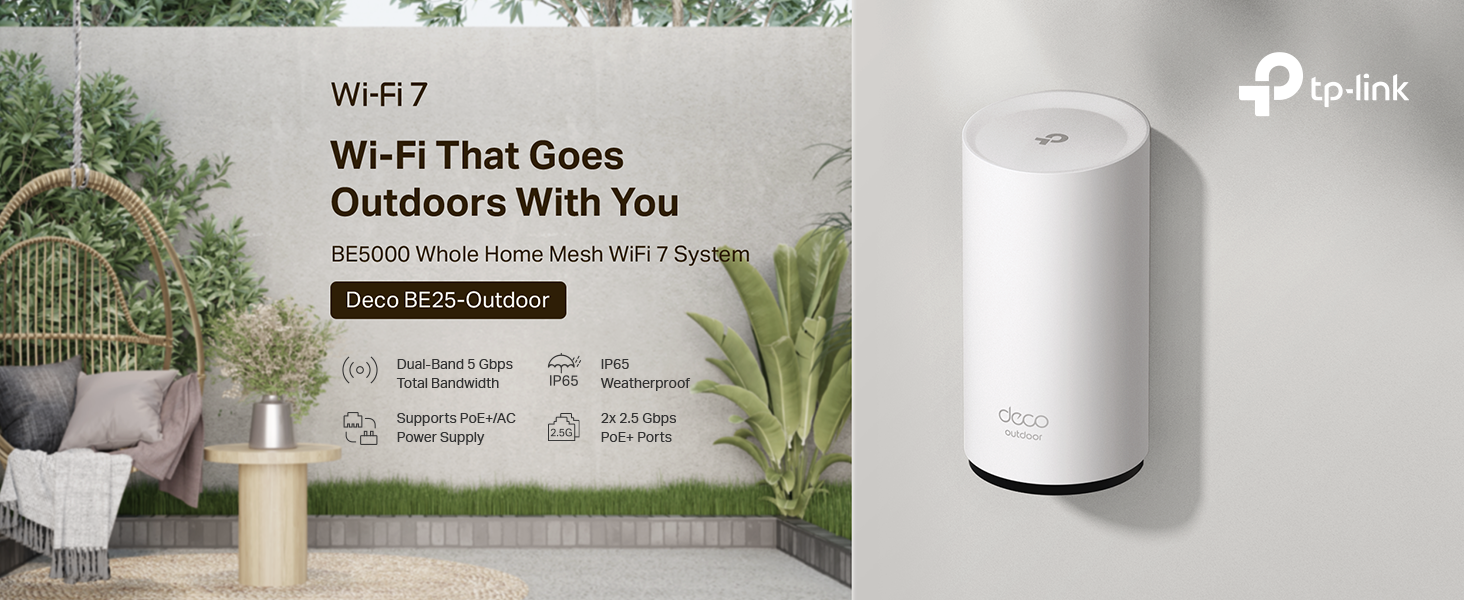
Mesh WiFi systems can extend connectivity outdoors, providing seamless internet access in open spaces. These devices withstand weather conditions, ensuring robust performance. Consider waterproof features and range capabilities when selecting outdoor mesh options.
Choosing the right outdoor mesh devices is crucial for a seamless network. Outdoor environments present unique challenges. Weather conditions, power sources, and connectivity options all matter. It’s essential to select devices specifically designed for outdoor use. They ensure reliable performance and withstand various environmental factors.Weatherproof Features
Outdoor mesh devices must have robust weatherproof features. They face rain, dust, and extreme temperatures. Look for devices with an IP rating. This indicates their resistance to water and dust. A higher IP rating means better protection. Quality outdoor mesh systems are built to endure harsh conditions. This ensures uninterrupted connectivity, even during storms.Power And Connectivity Options
Power options are vital for outdoor mesh devices. Some devices use batteries, while others need direct power. Consider your location’s power availability. Solar power is an alternative for remote areas. Connectivity options also vary. Ensure the device supports the necessary range and speed. Check compatibility with your existing network. This guarantees smooth integration and coverage.Installation Tips For Outdoor Mesh Wifi
Setting up mesh WiFi outdoors needs some care for best results. Outdoor environments have challenges like weather and signal obstacles. Proper installation helps keep a strong and stable connection outside your home or office.
Optimal Placement
Place mesh nodes where they get clear signal paths. Avoid thick walls, metal fences, or large trees blocking the signal. Higher spots often give better coverage for outdoor WiFi.
Keep nodes within good range of each other. Too far apart weakens the signal. Too close may cause interference. Aim for balanced distances to cover the outdoor area well.
- Choose sheltered locations to protect devices from rain and sun.
- Avoid placing nodes near electrical devices that cause interference.
- Test signal strength from different spots before final installation.
Securing Devices Outdoors
Outdoor mesh devices need protection from weather and theft. Use weatherproof enclosures or cases designed for your mesh system. This shields devices from rain, dust, and sun damage.
Secure mounting is important. Use sturdy brackets or mounts to fix nodes firmly. This prevents damage from wind or accidental knocks.
- Install nodes out of easy reach to reduce tampering risk.
- Check power sources and cables for outdoor rating and durability.
- Regularly inspect devices for damage or wear to maintain performance.
Performance Optimization
Optimizing the performance of your mesh WiFi system outdoors requires more than just placing the devices in open spaces. You need to fine-tune settings and keep the system updated to handle interference and signal challenges common in outdoor environments. Small adjustments can lead to significant improvements in coverage and speed.
Channel Selection
Choosing the right channel for your mesh WiFi is crucial, especially outdoors where interference from neighboring networks or electronic devices can disrupt your signal. Most mesh systems allow you to manually select channels or automatically switch to the least crowded one.
Try scanning your area with a WiFi analyzer app to identify the clearest channels. If your mesh system supports 5 GHz and 2.4 GHz bands, consider dedicating the 5 GHz band for high-speed devices and the 2.4 GHz band for longer range. This balance helps reduce congestion and improves overall performance.
Firmware Updates
Firmware updates aren’t just about adding new features; they often fix bugs and improve how your mesh handles outdoor conditions. Keeping your mesh system’s firmware current can enhance stability, security, and signal strength.
Check for updates regularly through the app or web interface provided by your mesh WiFi manufacturer. I’ve noticed that after a few firmware updates, my outdoor signal strength improved noticeably, even in tricky areas with thick walls and trees.
Have you checked if your mesh system’s latest update addresses outdoor performance? It might be the simple step that boosts your network’s reach and reliability.
Common Use Cases
Mesh WiFi systems are becoming popular beyond indoor use. Their ability to provide strong, consistent signals over large areas makes them ideal for outdoor settings. Let’s look at some common ways people use mesh WiFi outside.
Backyards And Gardens
Your backyard or garden can turn into a perfect spot for work or relaxation with reliable WiFi. Mesh WiFi helps eliminate dead zones in these outdoor areas, so you can stream music, join video calls, or browse without interruptions.
Imagine hosting a barbecue and everyone can easily connect to the network without signal drops. You can also set up smart garden devices like sprinklers or outdoor cameras that need steady internet access. Have you ever struggled with WiFi cutting out just when you needed it most outside?
Public Outdoor Spaces
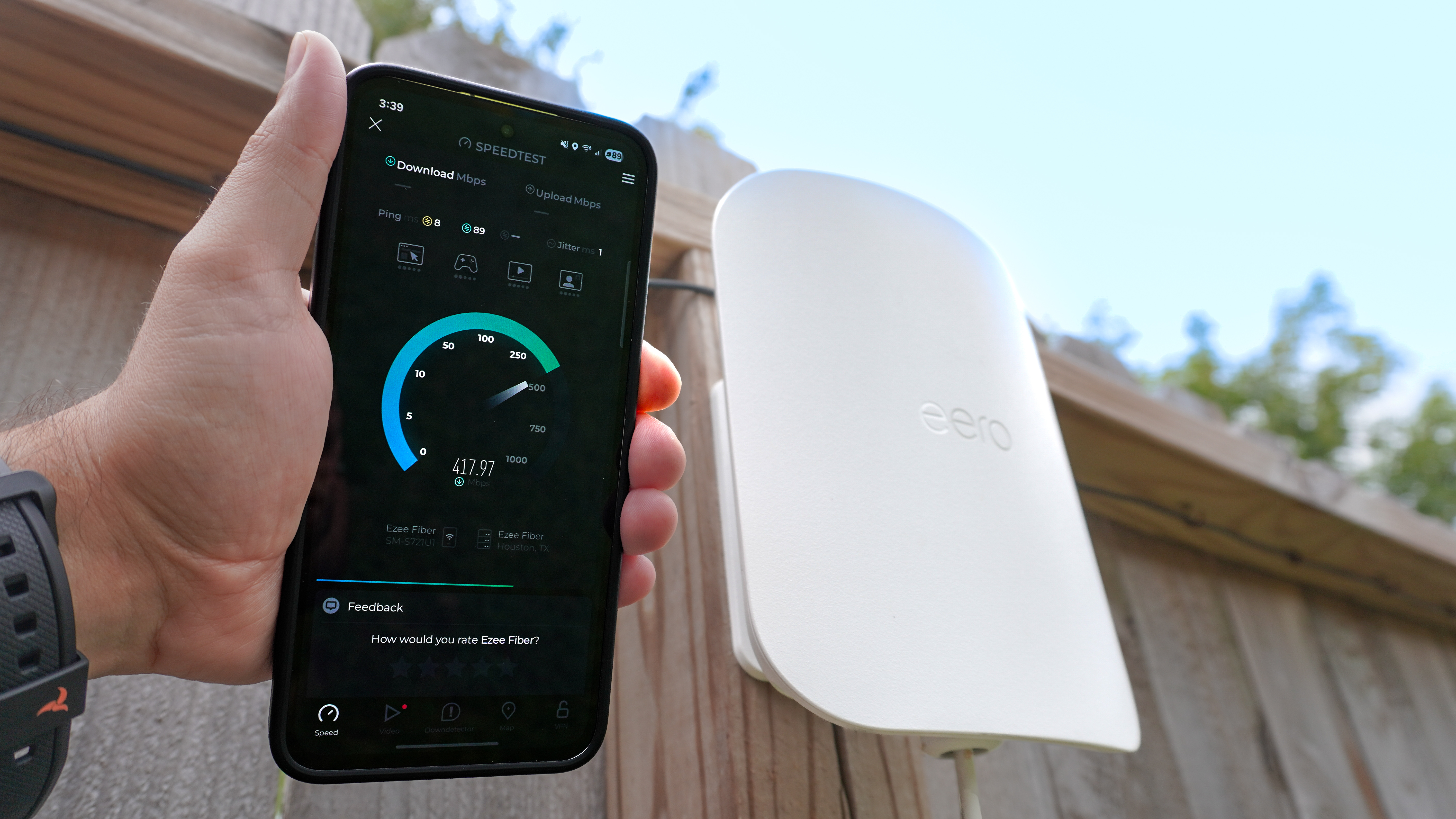
Parks, plazas, and outdoor cafes can benefit greatly from mesh WiFi systems. They allow multiple users to connect at the same time without bogging down the network. This makes public areas more inviting and useful for people who want to work or socialize outdoors.
Municipalities and business owners can use mesh WiFi to provide free or paid internet access. This can boost foot traffic and customer satisfaction. If you run a public space, think about how seamless connectivity could improve visitor experience and safety.
Credit: www.tomsguide.com
Troubleshooting Outdoor Mesh Issues
Outdoor mesh WiFi setups can sometimes act up, especially when you expect seamless coverage. Troubleshooting these issues quickly helps you get back online without frustration. Let’s look at common problems and how you can fix them effectively.
Signal Drops
Outdoor environments introduce obstacles like walls, trees, and weather that can cause your mesh signal to drop unexpectedly. Check if any new physical barriers have appeared since installation.
Try relocating your mesh nodes higher or closer to open spaces. Even small changes in placement can stabilize signals. Also, verify if your devices are using the latest firmware—updates often improve outdoor performance.
Have you noticed signal drops during certain weather conditions? Rain or heavy wind can temporarily weaken the connection. In these cases, adding weatherproof covers or using nodes rated for outdoor use can make a difference.
Device Connectivity Problems
Devices might fail to connect or frequently disconnect from your outdoor mesh network. Start by confirming that your devices support the mesh system’s frequency bands, such as 2.4 GHz or 5 GHz.
Sometimes, IP address conflicts or DHCP server issues cause connectivity hiccups. Restarting your mesh router and devices often clears these conflicts. If problems persist, assigning static IPs to critical devices can help maintain stable connections.
Are certain devices struggling more than others? Older gadgets may have weaker antennas or outdated WiFi standards. Consider upgrading these devices or adjusting your mesh settings to prioritize compatibility.

Credit: gizmodo.com
Frequently Asked Questions
Can Mesh Wifi Systems Work Outdoors Effectively?
Yes, mesh WiFi can work outdoors if designed for external use. Outdoor mesh nodes are weatherproof and provide broader coverage. They help eliminate dead zones in yards or gardens. Proper placement ensures strong, stable signals outside your home.
What Factors Affect Outdoor Mesh Wifi Performance?
Outdoor obstacles like trees, walls, and weather impact performance. Distance between nodes and interference from other devices also matter. Using outdoor-rated mesh units and optimal placement improves signal strength and reliability for outdoor areas.
How Do I Set Up Mesh Wifi Outdoors Safely?
Use weatherproof mesh nodes for outdoor setups. Install devices away from direct rain and extreme heat. Securely mount nodes at elevated points for better coverage. Follow manufacturer guidelines to ensure safety and optimal performance.
Is Outdoor Mesh Wifi Suitable For Large Properties?
Yes, outdoor mesh WiFi is ideal for large properties. Multiple nodes can cover extensive areas like gardens and patios. This system ensures consistent WiFi signals over wide outdoor spaces without signal drops.
Conclusion
Mesh WiFi can work outdoors but with some limits. Walls and trees may block signals. Placing nodes closer helps cover bigger areas. Weather can affect WiFi strength too. Choose outdoor-rated devices for better results. Testing your setup ensures strong and steady connection.
Outdoor mesh WiFi suits gardens, patios, and yards. It brings convenience but needs good planning. Small steps lead to better outdoor WiFi experience.