Are you worried about the safety of your dual band router and how it might affect your health? You’re not alone.
With Wi-Fi becoming a constant part of our lives, many people wonder if the signals from these devices could harm them or their loved ones. Understanding the truth behind these concerns is important for your peace of mind and well-being.
You’ll discover clear, simple facts about dual band routers and their impact on your health—so you can make smart decisions for your home and family. Keep reading to learn what you really need to know.
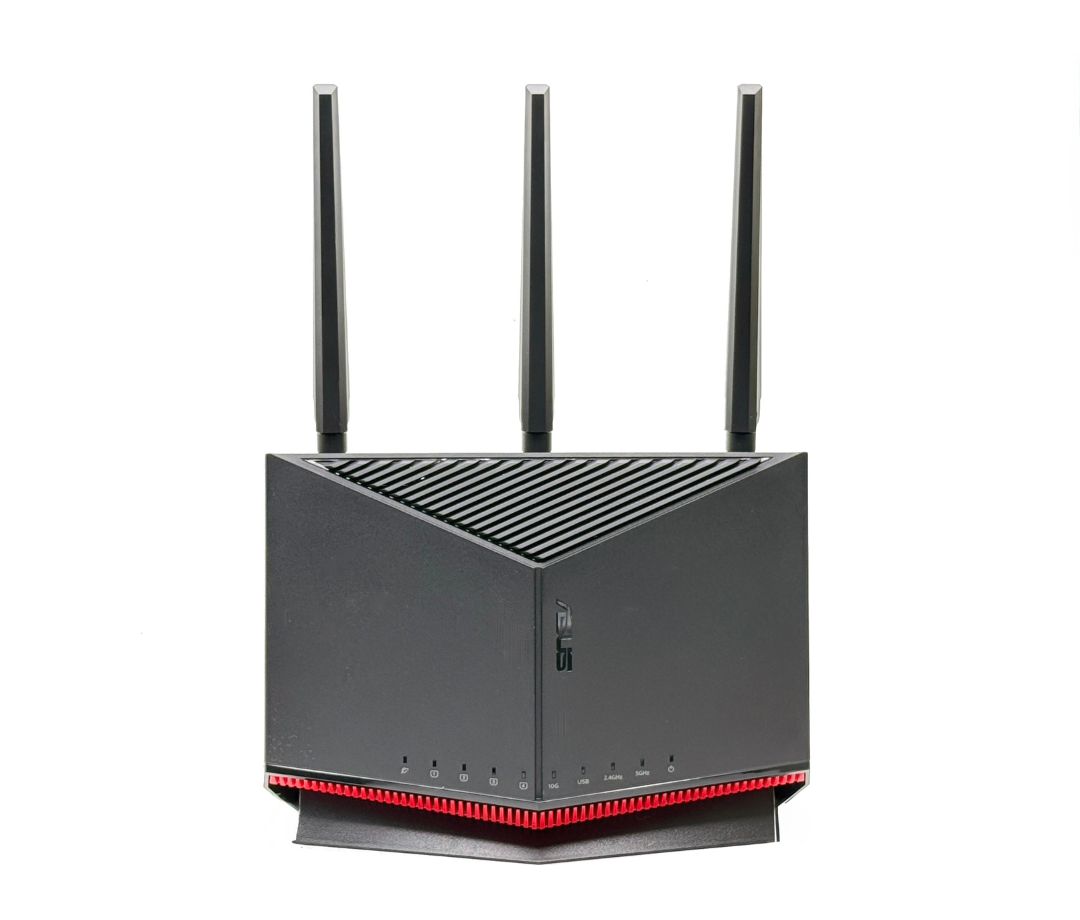
Credit: www.mensjournal.com
How Dual Band Routers Work
Understanding how dual band routers work can help you decide if they are safe for your health and suitable for your home. These routers operate by using two different frequency bands to transmit wireless signals. Knowing what these frequency bands do and how signal strength affects your environment is key to making an informed choice.
Frequency Bands Explained
Dual band routers use two main frequency bands: 2.4 GHz and 5 GHz. The 2.4 GHz band is older and more common, offering better coverage but slower speeds. The 5 GHz band is newer, provides faster speeds, but covers a smaller area.
Think about your home devices. Older gadgets like some smart plugs and printers usually connect on 2.4 GHz, while newer devices like smartphones and laptops often prefer 5 GHz for faster internet. Each band emits radio waves, but these signals are low power and regulated to ensure safety.
Signal Strength And Range
Signal strength determines how far your Wi-Fi reaches. The 2.4 GHz band travels farther and penetrates walls better, which is why it covers larger spaces. The 5 GHz band offers faster data transfer but has a shorter range and struggles with obstacles.
When you place your router, consider the space you want to cover. Stronger signals mean more exposure to radio waves, but these emissions are well below harmful levels according to global health guidelines. Have you noticed your internet slowing down in certain rooms? Adjusting bands or router placement can improve coverage without increasing power.
Types Of Radiation Emitted
Understanding the types of radiation emitted by dual band routers helps you make informed decisions about your home network and health. Different frequencies send out varying levels and types of radio waves. Knowing these details can ease concerns and clarify how safe your devices really are.
Radiofrequency Radiation Basics
Dual band routers emit radiofrequency (RF) radiation, a type of non-ionizing radiation. This means it does not have enough energy to damage your DNA or cause cell mutations. Instead, it simply transmits data wirelessly using electromagnetic waves.
RF radiation is all around us—from radios, TVs, cell phones, to Wi-Fi routers. The key question is how much exposure is safe. Regulatory agencies set limits on RF emissions to ensure devices like your router stay well below harmful levels.
Comparing 2.4 Ghz And 5 Ghz Bands
Your dual band router operates on two frequencies: 2.4 GHz and 5 GHz. Both emit RF radiation, but their characteristics differ:
- 2.4 GHz band:Offers longer range but slower speeds. It penetrates walls and obstacles better, meaning the signal travels farther.
- 5 GHz band:Provides faster speeds but shorter range. It is absorbed more easily by walls, limiting how far it reaches.
Interestingly, the power output on both bands is similar, so the radiation level you experience does not change drastically between them. Have you noticed your router’s signal strength varies when you switch bands? That change affects your exposure more than the frequency itself.
Ultimately, both bands emit low-level RF radiation considered safe by health standards. If you want to minimize exposure, placing your router away from where you spend most time can help. Does your router sit right next to your workspace or bedroom? Moving it a bit could reduce any concerns you have.
Health Concerns And Myths
Health concerns about dual band routers often come from the invisible signals they emit. Many people worry that these signals might affect their well-being. Let’s look closely at these concerns and the myths surrounding them.
Common Health Fears
People often fear that the radio waves from dual band routers cause headaches, sleep problems, or even more serious issues. You might have heard that living near Wi-Fi routers increases cancer risk or disrupts your brain functions. These fears usually stem from the fact that the router emits radiofrequency (RF) radiation, which some believe is harmful.
Many worry because dual band routers operate on both 2.4 GHz and 5 GHz frequencies. Since these frequencies are higher than older technologies, it can sound scarier. But it’s important to understand what kind of radiation these are and how they interact with your body.
Separating Fact From Fiction
Scientific studies have shown that the RF radiation from dual band routers is non-ionizing. This means it doesn’t have enough energy to damage your DNA or cells directly. The energy levels are far below the limits set by international health organizations.
Think about your microwave oven, which uses similar frequencies but at much higher power levels. Your router’s signals are thousands of times weaker. Even if you spend hours next to a router, the exposure is much lower than what is considered harmful.
Have you ever noticed how you don’t feel any immediate effect when using Wi-Fi? That’s because the signals are safe at normal levels. If you want peace of mind, you can place your router in a less-used room or turn it off when not needed. But there is no strong evidence that you need to avoid dual band routers for your health.
Credit: www.mensjournal.com
Scientific Studies On Router Safety
Scientific studies show dual band routers emit low radio waves, similar to other household devices. Research finds no clear link between these signals and health problems. Many experts agree using dual band routers is generally safe for daily use.
Scientific studies on router safety have been a topic of interest, especially with the increasing use of dual band routers in homes and offices. These devices emit radiofrequency (RF) radiation, leading many to wonder about potential health risks. While technology brings convenience, understanding its impact on health is crucial.Key Research Findings
Research has shown that the RF radiation from routers is generally low and considered safe by international standards. A study by the World Health Organization (WHO) indicates that the exposure level from wireless routers is far below the limit that could cause harm. However, some researchers suggest more long-term studies to conclusively rule out any potential risks. Interestingly, a 2018 study highlighted that prolonged exposure to RF radiation from various electronic devices, including routers, might cause slight biological changes. Yet, these changes were not linked to any serious health conditions. This raises the question: how cautious should you be with your router placement?Expert Opinions And Guidelines
Experts from health organizations emphasize the importance of adhering to safety guidelines. The International Commission on Non-Ionizing Radiation Protection (ICNIRP) provides clear exposure limits that ensure safety when using wireless devices. Many experts recommend practical steps like placing your router in a central location, away from sleeping areas, to minimize unnecessary exposure. This approach not only optimizes your Wi-Fi signal but also keeps your living space safe. Health professionals often reassure that using a dual band router in your home or office should not cause health concerns if you follow established safety guidelines. Are you making the most of these guidelines to ensure a safe environment for you and your loved ones?Exposure Limits And Regulations
Understanding exposure limits and regulations helps clarify router safety concerns. Authorities worldwide set strict rules to control radio frequency (RF) emissions. These rules aim to protect public health by limiting exposure to electromagnetic fields.
Regulations consider scientific studies and expert advice. They ensure devices like dual band routers operate within safe limits. These limits prevent harmful effects on the human body from RF radiation.
International Safety Standards
Global organizations create guidelines for safe RF exposure. The International Commission on Non-Ionizing Radiation Protection (ICNIRP) is a key body. It recommends exposure limits for the general public and workers.
Other organizations like the Federal Communications Commission (FCC) in the United States also set standards. These limits vary by country but are usually similar. They focus on frequency, power, and duration of exposure.
Standards consider both short-term and long-term exposure. Devices must meet these limits before they reach consumers. This process helps ensure routers are safe to use daily.
How Router Emissions Compare
Dual band routers emit radio waves on 2.4 GHz and 5 GHz frequencies. These frequencies are common and regulated worldwide. The emitted power is very low compared to other wireless devices.
- Typical router power ranges from 50 to 100 milliwatts.
- Exposure levels fall far below international safety limits.
- Distance reduces exposure; signals weaken quickly.
Studies show router emissions are much lower than limits set by ICNIRP and FCC. This means normal use poses minimal health risk. Even placing routers close to people does not exceed safe exposure levels.
Ways To Minimize Exposure
Reducing exposure to signals from dual band routers helps ease health concerns. Small changes in how you place and use your router can lower radiation levels around you. These steps do not affect internet speed or connection quality. Simple habits make a big difference in creating a safer home environment.
Placement Tips For Routers
- Place your router in a central, open area away from where you spend most time.
- Keep it off desks and beds to avoid close contact while working or sleeping.
- Elevate the router on a shelf rather than placing it on the floor.
- Avoid placing the router near children’s play areas or rooms where people rest.
- Maintain at least a few feet of distance between the router and your body.
- Turn off the router at night or when not in use to reduce exposure.
Using Technology Safely
- Connect devices with cables when possible to reduce wireless use.
- Limit the number of active devices connected to the router.
- Use airplane mode on phones or tablets when Wi-Fi is not needed.
- Set up guest networks for visitors to avoid overloading your main network.
- Choose devices that support newer, more efficient Wi-Fi standards.
- Update router firmware regularly to ensure secure and efficient performance.
Alternatives To Dual Band Routers
If you’re concerned about the health implications of using dual band routers, there are other ways to connect your devices without relying on both 2.4 GHz and 5 GHz frequencies. These alternatives can help reduce your exposure to radio frequency signals while still providing reliable internet access.
Single Band Options
Choosing a single band router that operates only on 2.4 GHz or 5 GHz can limit your exposure to multiple frequencies. Many people find the 2.4 GHz band sufficient for basic internet needs like browsing and streaming. However, 5 GHz offers faster speeds but shorter range, so consider what matters most for your setup.
I’ve switched to a 2.4 GHz-only router in my home office and noticed fewer signal drops. This setup feels simpler and less cluttered without compromising my work. Could focusing on one band make your network safer and easier to manage?
Wired Connections
Wired connections are the safest bet if you want to avoid wireless signals altogether. Ethernet cables provide a stable and fast connection without emitting any radio waves. Plus, they reduce interference and can improve your internet speed.
Using wired connections for your desktop or smart TV can make a big difference. It might feel less flexible, but the reliability is worth it. Have you tried plugging in directly to see how much smoother your connection can get?

Credit: www.amazon.ca
Frequently Asked Questions
Is Dual Band Router Radiation Harmful To Health?
Dual band routers emit low-level radiofrequency waves. These waves are generally considered safe by health authorities. No conclusive evidence links them to serious health risks. Using routers responsibly reduces any minimal exposure further. Overall, dual band router radiation poses minimal health concerns.
How Does A Dual Band Router Affect Human Body?
Dual band routers use 2. 4 GHz and 5 GHz frequencies. These frequencies are non-ionizing and do not damage DNA. The body absorbs very little energy from these signals. Therefore, normal use has no proven adverse effects on health.
Can Dual Band Routers Cause Cancer?
Current scientific studies show no direct link between dual band routers and cancer. Radiofrequency exposure from routers is much lower than harmful levels. Health agencies classify these exposures as safe under typical usage. Maintaining distance from routers further reduces any risk.
Should I Worry About Dual Band Router Health Risks?
For most people, there is no need to worry about health risks. Dual band routers comply with strict safety standards worldwide. Minimal radiofrequency exposure poses negligible health threat. Simple steps like limiting close proximity can ease any concerns.
Conclusion
Dual band routers are generally safe for your health. They use low power signals, similar to other household devices. Scientific studies show no clear harm from normal router use. Still, keep devices away from your body when not needed. Use wired connections if worried about wireless signals.
Stay informed and follow health guidelines for peace of mind. Overall, using a dual band router should not cause health problems. Safe internet access and good health can go hand in hand.