Are you worried that switching to mesh WiFi might spike your electricity bill? You’re not alone.
Many people wonder if these advanced systems use more power than traditional routers. Understanding how mesh WiFi works and how much energy it actually consumes can help you make smarter choices for your home. Keep reading to discover the truth about mesh WiFi and electricity use — so you can enjoy strong, reliable internet without unexpected costs.
How Mesh Wifi Works
Understanding how mesh WiFi works can help you see why it might affect your electricity usage. It’s not just about adding more devices; it’s about how these devices communicate and spread the signal throughout your home or office. Knowing the basics will give you a clearer picture of what powers this technology and whether it’s energy-efficient.
Basic Components
A mesh WiFi system includes multiple units called nodes. One node connects directly to your modem, acting like the main hub. The other nodes spread around your space to boost coverage and eliminate dead spots.
Each node has its own processor and radio, which means they work independently but coordinate to keep your connection smooth. Because of this setup, you don’t rely on a single router trying to cover a large area. Instead, the workload is shared across all nodes.
Signal Distribution
The key to mesh WiFi is how it distributes the signal. Nodes communicate with each other wirelessly or through wired connections, creating a seamless network. This dynamic system finds the best path for your data, switching nodes if one gets overloaded or has interference.
Imagine your WiFi signal as a relay race where each node passes the baton efficiently. This reduces the strain on any single device and often results in better performance. However, this constant communication means the nodes are always powered on and exchanging signals, which affects energy use.
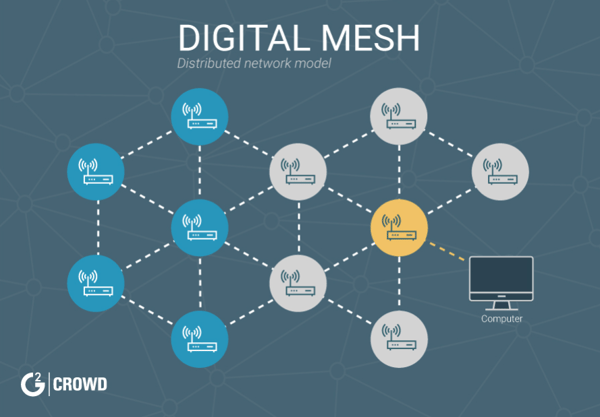
Credit: learn.g2.com
Electricity Use Of Mesh Systems
Mesh wifi systems have become popular for their ability to cover large areas with strong internet signals. Many wonder about their electricity use. Understanding how much power mesh systems consume helps you manage your energy bills better. This section explores the electricity use of mesh systems and what affects their power consumption.
Power Consumption Compared To Routers
Mesh systems usually have multiple devices called nodes. Each node needs power to work. Traditional routers use less power because there is only one device. A mesh system’s total power use is the sum of all nodes.
Typically, a single mesh node uses about 5 to 15 watts of power. A traditional router uses around 10 to 20 watts. This means a mesh system with three nodes may use slightly more electricity than one router.
Despite this, mesh systems spread internet signals more efficiently. This can reduce the need for extra devices like extenders, which also consume power.
Factors Influencing Energy Use
- Number of Nodes:More nodes increase total energy use.
- Device Design:Newer models are often more energy-efficient.
- Usage Patterns:High data transfer can raise power consumption.
- Standby Modes:Some nodes use less power when idle.
- Additional Features:Features like USB ports or smart assistants may increase use.
Energy use varies by brand and model. Checking product specifications helps estimate electricity costs. Efficient setup and turning off unused nodes can save power.
Comparing Mesh Wifi To Traditional Wifi
Comparing mesh WiFi to traditional WiFi reveals key differences in power use and network setup. Both serve the purpose of connecting devices to the internet, but their design and coverage vary significantly. Understanding these differences helps in evaluating their energy consumption.
Number Of Devices And Energy Impact
Traditional WiFi usually has one router handling all devices. Mesh WiFi uses multiple nodes to spread the signal evenly. Each node consumes electricity, which might add to the total power use.
However, mesh systems handle many devices better without slowing down. This efficiency can reduce power waste from devices constantly trying to reconnect or boost signals. Traditional routers may struggle with many devices, leading to more energy use over time.
Coverage Efficiency And Power
Traditional routers have limited coverage. They need higher power to reach far corners of a home or office. Mesh WiFi nodes cover large areas by placing multiple units close to devices.
This means each mesh node can operate at lower power. The network avoids weak spots that force devices to use extra power. Mesh systems can save energy by providing stable signals and reducing the need for signal boosting tools.

Credit: www.pcmag.com
Energy-saving Tips For Mesh Networks
Mesh WiFi systems use multiple devices, which may increase electricity use slightly. Adjusting settings and turning off unused nodes can save energy. Choosing efficient models also helps reduce power consumption.
If you’ve recently upgraded to a mesh Wi-Fi network, you might be wondering if it’s spiking your electricity bill. While mesh networks can consume more energy than traditional routers, there are effective ways to minimize their impact. By implementing some smart strategies, you can enjoy seamless connectivity without the guilt of increasing your carbon footprint.Optimizing Device Placement
Strategic placement of your mesh nodes can significantly reduce energy use. Position nodes in central locations to ensure optimal coverage with fewer units. This reduces the need for each node to work harder and consume more power. Consider placing nodes on elevated surfaces, like shelves, to avoid obstructions and enhance signal strength. This can often reduce the number of nodes required, saving energy in the process. Experiment with different positions to find what works best for your home.Adjusting Power Settings
Many mesh systems allow you to modify power settings. Check your router’s admin interface for options like reducing transmit power, which can lower energy consumption. This setting is especially useful if your home isn’t too large. Some mesh networks offer eco modes that automatically adjust power usage based on demand. These modes can be a great way to save energy without sacrificing performance. If available, enable this feature to see a difference in your electricity usage. Have you ever thought about the cumulative effect of small energy savings? By applying these energy-saving tips, you’re not just reducing your bill but also contributing to a more sustainable environment.Environmental Impact Of Mesh Wifi
Understanding the environmental impact of mesh WiFi goes beyond just how much electricity it uses. It’s about how this technology fits into your everyday life and what it means for the planet over time. Let’s break down the energy use and long-term sustainability of mesh WiFi to see if it’s truly eco-friendly or if it adds to your carbon footprint more than you think.
Energy Use In Daily Life
Mesh WiFi systems usually consist of multiple devices working together to provide better coverage. This means they use more power than a single router, but the difference isn’t always huge. For instance, a typical mesh node might use around 5 to 10 watts, similar to a small LED bulb.
Think about how often you use WiFi at home – it’s almost constant. While mesh systems consume more power collectively, they can reduce energy waste by improving signal strength and reducing the need for devices to boost signals individually. Have you noticed your phone or laptop battery lasting longer with better WiFi? That’s an indirect energy saving right there.
Long-term Sustainability
Considering long-term effects, mesh WiFi can actually contribute to sustainability if used wisely. Instead of buying multiple repeaters or extenders, a single, well-designed mesh system can cover your whole home efficiently. This reduces electronic waste and the energy costs associated with manufacturing and shipping multiple devices.
However, it’s crucial to choose energy-efficient models and turn off nodes when not needed. Some mesh systems offer schedules or power-saving modes that help cut energy use without sacrificing performance. Are you maximizing your mesh system’s potential by customizing its settings?
In the bigger picture, mesh WiFi’s environmental impact depends on how you integrate it into your home. Small actions like selecting efficient hardware and managing device usage can lower your overall energy footprint while enjoying seamless connectivity.

Credit: www.pcmag.com
Frequently Asked Questions
Does Mesh Wifi Use More Electricity Than Routers?
Mesh WiFi systems use slightly more electricity due to multiple nodes. However, the difference is minimal and usually negligible for most users.
How Much Power Does A Mesh Wifi Node Consume?
A typical mesh WiFi node consumes between 3 to 10 watts of power. This usage is low compared to many other household devices.
Can Mesh Wifi Increase Your Electricity Bill Significantly?
No, mesh WiFi systems have a minimal impact on electricity bills. Their energy use is efficient and designed for continuous operation.
Is Mesh Wifi More Energy-efficient Than Traditional Wifi?
Mesh WiFi can be more energy-efficient by optimizing signal strength and reducing device power needs. It improves coverage without excess power use.
Conclusion
Mesh WiFi systems use a bit more electricity than regular routers. This increase is small and usually does not affect your bill much. They help cover large areas with strong internet signals. The extra power keeps all devices connected smoothly.
Choosing a mesh system depends on your home’s size and needs. For many, the small power use is worth the better coverage. So, electricity use should not stop you from getting mesh WiFi. It balances good internet and low energy use well.