Are you tired of dead zones and slow internet in some parts of your home? You might be wondering if a mesh WiFi system can replace your traditional router and give you better coverage.
Imagine having strong, reliable WiFi everywhere—no more frustrating drops or weak signals. But is mesh WiFi really the answer you’ve been looking for? Keep reading, and you’ll discover how mesh systems work, their benefits, and whether switching from your router is the right move for your home.
What Is Mesh Wifi
Mesh WiFi is a modern way to spread wireless internet across a home or office. It uses multiple devices to create one strong network. This helps reduce dead zones and keeps your connection steady everywhere.
Unlike a single router, mesh WiFi covers large areas better. It is easy to set up and manage. Many people wonder if mesh WiFi can replace their old router. Understanding its basics helps answer that question.
Basic Components
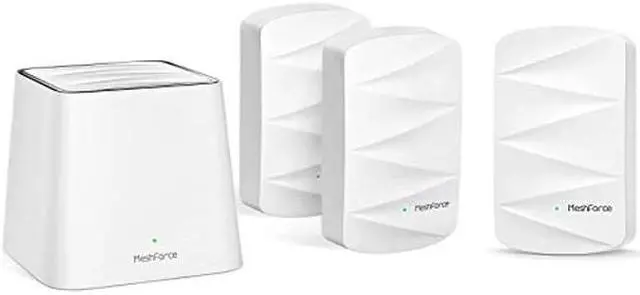
- Main Node:Connects directly to the modem and acts as the primary hub.
- Satellite Nodes:Smaller units placed around the space to extend coverage.
- Mobile Devices:Phones, laptops, and tablets connect to the mesh network.
- App or Web Interface:Used to manage and control the mesh system easily.
How It Works
The main node links to the internet through the modem. Satellite nodes communicate wirelessly or by cable with the main node. Together, they create a single, seamless network.
Devices connect to the closest node automatically. This keeps the signal strong and speeds fast. The mesh system balances traffic to avoid slowdowns. It also adapts if one node stops working.

Credit: www.youtube.com
Traditional Router Setup
The traditional router setup has been the standard for home internet for years. It involves a single router device that connects to your modem and spreads Wi-Fi throughout your home. This setup works well in small to medium spaces with few obstacles. The router acts as the central hub for all devices to access the internet.
Many households still rely on this simple system. It provides a straightforward way to connect laptops, phones, and smart devices. The router usually sits in one central location, aiming to cover as much area as possible. But some challenges come with this setup, especially in bigger or multi-floor homes.
Single Device Coverage
A traditional router uses one device to broadcast Wi-Fi signals. The router sends signals in all directions from its position. This means the signal strength depends heavily on where the router is placed.
Walls, furniture, and floors can block or weaken the signal. Devices farther from the router may get slower speeds or lose connection. This setup works best when devices are close to the router.
Limitations In Large Spaces
Large homes or offices often face Wi-Fi dead zones with one router. The signal may not reach every corner or upstairs rooms. Thick walls and long distances reduce Wi-Fi quality and speed.
Users in bigger spaces may experience buffering or dropped connections. Adding Wi-Fi extenders can help but often complicates the network. The traditional router alone struggles to provide strong, stable coverage everywhere.
Advantages Of Mesh Wifi
Mesh WiFi offers several benefits over traditional routers. It creates a strong network that covers every corner of your home. The system uses multiple devices, called nodes, to spread the signal evenly. This design helps avoid weak spots and dead zones.
Seamless Coverage
Mesh WiFi provides consistent internet access in all rooms. The nodes communicate with each other to extend the range. You can move around without losing connection or speed. It works well in large houses and multi-story buildings.
Easy Scalability
You can add more nodes to expand the network anytime. This flexibility suits changing needs and bigger spaces. No complex setup is required to include new devices. The system adjusts automatically and keeps the network strong.
Improved Reliability
Mesh WiFi reduces connection drops and slowdowns. If one node fails, others take over without interrupting service. The network finds the best route for your data. This makes your internet more stable and dependable every day.
Credit: www.newegg.com
When To Choose Mesh Over Router
Choose mesh WiFi over a traditional router for large homes with multiple floors or thick walls. Mesh systems ensure strong, consistent internet coverage in every corner of your home. Ideal for families needing reliable connectivity for multiple devices.
Choosing between a traditional router and a mesh WiFi system can significantly impact your internet experience. While both have their strengths, mesh WiFi offers unique advantages in specific scenarios. Understanding when to opt for mesh over a standard router can save you from connectivity woes and enhance your digital life.Large Homes And Offices
If your home or office is sprawling, a single router might struggle to cover every nook and cranny. Traditional routers have limited range, often leaving dead zones in larger spaces. Mesh WiFi systems use multiple nodes to blanket your entire area with consistent coverage. Imagine walking from your bedroom to your backyard while streaming a video without interruption. That’s the seamless connectivity mesh networks provide. For those with multi-story buildings, mesh ensures each floor receives robust signal strength.Multiple Connected Devices
In today’s digital age, households often have numerous gadgets connected simultaneously. Smartphones, tablets, smart TVs, and even smart refrigerators vie for bandwidth. A conventional router can get overwhelmed, leading to slowdowns. Mesh WiFi systems distribute the load more efficiently across their network. Each node works to balance device connections, maintaining optimal speeds. If you host gatherings or run a smart home, mesh WiFi handles multiple devices with ease. Have you ever experienced lag during an important video call? That’s less likely with mesh. It adapts to your network’s needs, providing a smoother online experience. Is mesh the right choice for your home or office? Consider your space and device demands to make an informed decision.Potential Drawbacks Of Mesh Systems
Mesh WiFi systems offer a modern solution to extend your internet coverage throughout your home. However, they come with certain drawbacks that might make you reconsider if they can fully replace your traditional router. Understanding these potential downsides helps you decide if a mesh system fits your unique needs.
Cost Considerations
Mesh systems often come at a higher price compared to standard routers. You’re not just buying one device but multiple units to create the network, which can quickly add up.
For example, a basic router might cost $70, while a mesh system with three nodes can exceed $300. Is the improved coverage worth the extra cost for your space and internet habits?
Also, keep in mind ongoing costs. Some mesh brands require subscription fees for advanced features like enhanced security or parental controls. Would you be willing to pay monthly for these extras?
Setup Complexity
Setting up a mesh system can be more involved than plugging in a single router. You need to place nodes strategically around your home to ensure seamless coverage.
Sometimes, the system requires using a mobile app for configuration, which might confuse users not comfortable with technology. Have you experienced frustration trying to optimize WiFi settings before?
Moreover, troubleshooting can be tricky. If one node loses connection, it can affect the whole network. This interdependence means you might spend more time fixing issues than with a standalone router.
Performance Comparison
Choosing between a mesh WiFi system and a traditional router often comes down to performance. Understanding how each handles speed, latency, and signal stability can help you decide which fits your needs best. Let’s break down these key aspects to see where each technology shines or falls short.
Speed And Latency
Mesh WiFi systems distribute your internet connection across multiple nodes, which can maintain strong speeds throughout larger homes. However, adding more nodes sometimes introduces slight latency because data hops between devices before reaching your gadget.
Traditional routers often provide faster raw speeds in smaller spaces since data goes directly from the router to your device without intermediate steps. But, if your home has thick walls or multiple floors, speed can drop dramatically the further you are from the router.
Think about your daily activities: do you stream 4K videos in several rooms or mostly use WiFi near a single spot? Your answer will guide which option delivers smoother performance for your setup.
Signal Stability
Mesh systems excel at maintaining stable connections over larger areas by automatically rerouting signals if one node faces interference or failure. This adaptability reduces dead zones and keeps your devices online consistently.
On the other hand, a traditional router may struggle with stability beyond its immediate range, causing frequent disconnects or weak signals in distant rooms. This can be frustrating if you work remotely or rely on smart devices spread around your house.
Ask yourself: How important is it for your WiFi to stay reliable everywhere in your home? If you experience dropouts often, mesh WiFi might be the upgrade you need for steady internet access.
Installation Tips For Mesh Wifi
Installing a mesh WiFi system needs careful planning. The right setup ensures strong signals throughout your home. Follow these tips to get the best performance from your mesh network.
Optimal Node Placement
Place mesh nodes in open spaces for better signal spread. Avoid walls, metal objects, and large furniture that block signals. Keep nodes within sight of each other to maintain a strong connection. Position the main node near your modem for easy access to the internet. Test signal strength in different rooms to find the best spots. Use a mesh app or signal meter to help find weak areas.
Network Security Measures
Set a strong, unique password for your WiFi network. Change default admin usernames and passwords on your mesh system. Enable WPA3 or WPA2 encryption for better security. Keep your mesh system’s firmware updated to fix vulnerabilities. Turn off features you don’t use, like remote management. Use a guest network to keep visitors separate from your main devices.
Future Of Home Networking
The future of home networking is shaping up to be more connected, faster, and smarter than ever. As your home fills with more smart devices, the demand for reliable and seamless internet grows. Mesh WiFi systems are stepping into the spotlight, offering solutions that could soon make traditional routers less relevant.
Integration With Smart Devices
Your home is becoming a hub of smart devices—from thermostats to security cameras. Mesh WiFi systems are designed to handle multiple devices without slowing down your network. They create a strong and consistent signal that reaches every corner of your home, which means your smart devices stay connected and responsive.
Think about your smart speaker losing connection in the kitchen or your security camera lagging in the backyard. A mesh network can reduce these issues by automatically routing data through the strongest path. This integration makes managing your devices easier and more reliable.
Advancements In Mesh Technology
Mesh WiFi technology continues to evolve rapidly. Newer models offer faster speeds, better security features, and easier setup processes. Some even come with AI-driven tools that optimize your network based on how you use the internet daily.
Imagine a system that learns when you stream movies or work from home and adjusts bandwidth accordingly. These advancements ensure you get the best performance without needing to fiddle with settings. Are you ready to upgrade to a network that adapts to your lifestyle?

Credit: www.reddit.com
Frequently Asked Questions
Can Mesh Wifi Fully Replace A Traditional Router?
Yes, mesh WiFi can replace a traditional router by providing seamless coverage. It uses multiple nodes to extend WiFi range and reduce dead zones, offering better performance in larger or multi-story homes compared to a single router.
How Does Mesh Wifi Improve Home Network Coverage?
Mesh WiFi improves coverage by using several interconnected nodes. These nodes communicate to create a single, strong WiFi network that blankets your entire home, eliminating weak signals and ensuring consistent internet speeds everywhere.
Are Mesh Wifi Systems Easy To Set Up?
Most mesh WiFi systems are user-friendly and easy to set up. They often come with mobile apps that guide you through installation, making it simple to add nodes and manage your network without technical expertise.
Is Mesh Wifi Better For Large Homes Than Routers?
Yes, mesh WiFi is ideal for large or multi-story homes. Unlike traditional routers, mesh systems expand coverage through multiple nodes, reducing dead spots and maintaining strong connections across wider areas.
Conclusion
Mesh WiFi can cover large areas better than a single router. It helps reduce dead zones in your home or office. Still, routers work well for simple setups and fewer devices. Consider your space and internet needs before choosing. Mesh systems can cost more but offer flexibility and strong signals.
Routers remain reliable and easy to use. Choose what fits your budget and internet habits best. Either way, good WiFi matters for smooth online experience.