Are you struggling with weak Wi-Fi signals in some parts of your home or office? You might be wondering if upgrading to a tri band router is the solution.
Tri band routers promise faster speeds and better connections, but do they really offer better range? You’ll discover how tri band routers work, what affects Wi-Fi range, and whether this upgrade will make a noticeable difference for you. Keep reading to find out if a tri band router is the key to stronger, more reliable Wi-Fi throughout your space.

Credit: www.amazon.ca
Tri Band Router Basics
Understanding the basics of a tri band router can help you decide if it’s the right choice for your home or office network. These routers promise better performance and range, but what exactly makes them different from other types? Let’s break down the key points so you can make an informed decision.
What Is A Tri Band Router
A tri band router features three separate wireless bands that work simultaneously. Typically, it includes one 2.4 GHz band and two 5 GHz bands. This design allows the router to support more devices without slowing down your network speed.
Think of it like having three different highways for your internet traffic instead of one or two. More lanes mean less traffic congestion, especially in busy households with many connected devices.
How Tri Band Works
Tri band routers manage data by spreading your devices across three bands. The 2.4 GHz band covers long distances but offers slower speeds. The two 5 GHz bands handle faster speeds but work best over shorter distances.
The router automatically assigns your devices to the best band based on their needs. For example, your smart TV streaming 4K content might be placed on a 5 GHz band, while your smartphone checking emails uses the 2.4 GHz band.
Differences From Dual Band Routers
Dual band routers have only two bands: one 2.4 GHz and one 5 GHz. Tri band routers add an extra 5 GHz band, which can significantly reduce network congestion.
This difference is crucial if you have many devices or do high-bandwidth activities like gaming and video conferencing. With dual band, multiple devices share fewer lanes, which can lead to slower speeds and dead spots.
Have you noticed your network slowing down when several devices are active? A tri band router could help keep your connection stable and fast by balancing the load better.
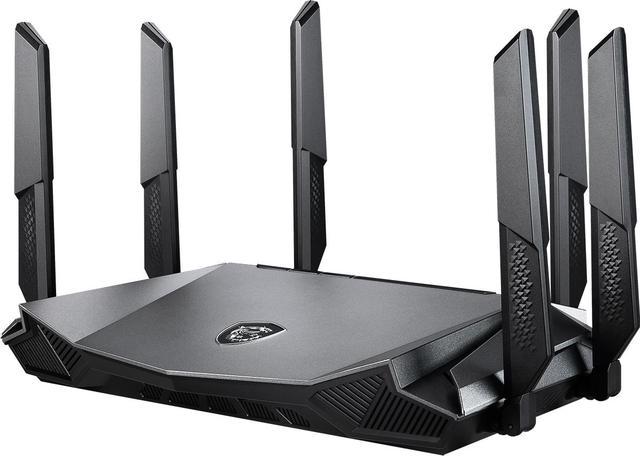
Credit: www.newegg.ca
Range Factors In Wifi
Range plays a key role in how well WiFi performs across your home or office. Several factors influence the WiFi range beyond just the router type. Understanding these factors helps in choosing the right router and setup for better coverage.
Frequency Bands And Coverage
WiFi operates mainly on two bands: 2.4 GHz and 5 GHz. The 2.4 GHz band covers a larger area but offers slower speeds. The 5 GHz band provides faster speeds but covers less distance. Tri-band routers add an extra 5 GHz band to reduce congestion. This setup can improve speed and handle more devices but does not significantly extend the range.
Impact Of Router Placement
Where you place the router affects signal strength and coverage. Central locations work best for even coverage. Avoid placing routers near walls, floors, or metal objects. Elevating the router can also help signals travel further. Proper placement reduces dead zones and improves overall WiFi range.
Obstacles Affecting Signal Strength
Physical barriers block or weaken WiFi signals. Common obstacles include walls, furniture, and appliances. Thick walls and metal surfaces cause the most signal loss. Wireless signals also weaken over distance. Clearing obstacles and using open spaces can improve signal strength and range.
Tri Band And Range Performance
Tri band routers offer three separate wireless bands to connect devices. These bands include one 2.4 GHz and two 5 GHz frequencies. This setup can influence the overall range and performance of your Wi-Fi network. Understanding how tri band routers handle range helps in choosing the right device for your home or office.
Coverage Area Comparison
Tri band routers generally cover a larger area than single or dual band models. The extra 5 GHz band helps reduce traffic on each band. This means signals can reach more rooms without slowing down. The 2.4 GHz band still delivers good range through walls. The two 5 GHz bands provide faster speeds but cover smaller areas. Together, they balance coverage and speed well.
Signal Stability Across Bands
Signal stability improves with tri band routers due to less congestion. Devices spread out across three bands, avoiding overload. This leads to fewer drops and weaker signals. Each band maintains better performance since it carries fewer devices. The router can switch devices to the best band for strong signals. This reduces interference and keeps connections steady.
Handling Multiple Devices
Tri band routers excel at managing many devices at once. More bands mean more room for devices to connect. This prevents bottlenecks and slow speeds. Smart routers assign devices to less busy bands automatically. Streaming, gaming, and browsing happen smoothly without interruption. Homes with many smart gadgets benefit from tri band routers.
Real-world Usage Scenarios
Tri-band routers help reduce signal interference in busy homes with many devices. They offer better coverage for large spaces and multiple users. This makes streaming and gaming smoother across different rooms.
Real-world usage scenarios for tri-band routers can significantly impact how you experience internet connectivity in your daily life. Whether you’re living in a sprawling suburban home, running a bustling office, or managing a house full of connected devices, a tri-band router can be a game-changer. Let’s explore how these routers stand out in different settings.Large Homes And Offices
In large homes and offices, maintaining a strong and consistent Wi-Fi signal is crucial. Have you ever tried streaming a movie in the basement, only to have it buffer repeatedly? A tri-band router can help alleviate these frustrations by offering additional bandwidth and reducing network congestion. With a tri-band router, you might find that every corner of your home or office has a reliable signal, making dead zones a thing of the past. This ensures that whether you’re working from a home office or enjoying a family movie night, your connection remains uninterrupted.High-density Device Environments
If your household or office is packed with smart devices, you’ll need a router that can handle the traffic. Imagine a typical evening with multiple smartphones, tablets, smart TVs, and IoT devices all vying for bandwidth. A tri-band router can manage these high-density environments more efficiently by distributing devices across three bands. This can lead to smoother performance and less frustration for everyone connected to the network.Streaming And Gaming Needs
For avid streamers and gamers, a tri-band router can significantly enhance your experience. Ever been in the middle of an intense online game, only to lose because of lag? Or had your streaming quality drop just as a crucial plot twist unfolds? With a tri-band router, you can allocate a dedicated band for gaming or streaming, ensuring that these activities get the priority bandwidth they deserve. This means less lag, smoother streams, and ultimately, a more enjoyable experience. Ultimately, the effectiveness of a tri-band router in extending your range depends on your specific needs and environment. Could a tri-band router be the solution to your connectivity woes? Consider your unique setup and needs to make an informed choice.Alternatives For Better Coverage
Better WiFi coverage can improve your internet experience greatly. Tri band routers offer good speed but their range might still fall short in large homes or offices. Several alternatives exist to boost your wireless coverage effectively. These options help expand signal reach without needing a complete router upgrade.
Mesh Wifi Systems
Mesh WiFi systems use multiple devices to cover larger areas. Each device acts as a node, creating a single, strong network. This setup removes dead zones and provides seamless internet access everywhere. Mesh systems are easy to install and manage through apps. They adapt to your home’s layout, giving steady coverage in every room.
Wifi Extenders And Boosters
WiFi extenders catch your router’s signal and rebroadcast it farther. They work well in spots where signal is weak but still detectable. Extenders are affordable and simple to set up. Boosters increase signal strength to cover more space. Place these devices near the edge of your router’s range for best results.
Upgrading Router Antennas
Replacing your router’s antennas with high-gain versions can improve range. High-gain antennas focus signals in specific directions, extending coverage. This option is budget-friendly and easy for most users. Check your router’s antenna type before buying upgrades. Proper antenna positioning also helps maximize your WiFi reach.

Credit: dongknows.com
Choosing The Right Router
Choosing the right router can make a huge difference in your home or office internet experience. It’s not just about having the latest model or the highest number of bands. You need to think about what your space requires and how your devices connect to the network.
Assessing Your Coverage Needs
Start by looking at the size and layout of your home or workspace. Are there thick walls or multiple floors that could block Wi-Fi signals? If your space is large or has tricky corners, a router with better range, like a tri-band model, might help.
Think about how many devices will be connected at once. More devices mean more demand on your network. You might need a router that can handle multiple streams without slowing down.
Balancing Speed And Range
Speed is tempting, but how often do you really need the fastest connection in every corner? Sometimes, a strong signal is more important than raw speed. Tri-band routers offer an extra band, which can reduce congestion and maintain speed across a wider area.
But if your space is small, a dual-band router might already be enough. Ask yourself: do you often experience slowdowns in certain rooms? If yes, upgrading to tri-band could solve that problem by spreading devices over more bands.
Budget Considerations
High-end tri-band routers usually come with a bigger price tag. Consider if the extra cost fits your budget and your actual needs. Spending more doesn’t always mean better performance for your situation.
Look for routers that provide good value—features that truly benefit your setup rather than flashy extras you won’t use. Sometimes, investing in a good placement or Wi-Fi extender can be more cost-effective than buying the most expensive router.
Frequently Asked Questions
Does A Tri-band Router Increase Wifi Range?
A tri-band router offers multiple frequency bands but does not significantly increase WiFi range. Its main benefit is reduced congestion and faster speeds, not extended coverage.
How Is Tri-band Different From Dual-band Routers?
Tri-band routers have one 2. 4 GHz band and two separate 5 GHz bands. Dual-band routers only have one 2. 4 GHz and one 5 GHz band, affecting device load and speed.
Can Tri-band Routers Cover Large Homes Better?
Tri-band routers can handle more devices efficiently but won’t necessarily cover larger homes better. For wider coverage, a mesh system or range extender is often more effective.
Does Tri-band Improve Signal Strength Or Speed?
Tri-band improves network speed by reducing congestion, especially with many devices. It does not inherently boost signal strength or range compared to dual-band routers.
Conclusion
Tri band routers can offer better range in busy networks. They use three bands to reduce traffic and interference. This helps devices stay connected with stronger signals. Yet, range also depends on router placement and home layout. Walls and distance still affect signal strength.
For bigger homes, tri band routers might work best. Smaller spaces may not need them. Choose based on your needs and environment. A good router means fewer dead zones and smoother internet use. Consider all factors before deciding on a tri band router.