Are you wondering if your travel router needs a SIM card to keep you connected on the go? This question can make a big difference in how you plan your trips and stay online anywhere.
Whether you’re working remotely, streaming your favorite shows, or just staying in touch with loved ones, understanding how travel routers work will save you time and hassle. Keep reading, and you’ll discover exactly what you need to know to make smart choices for your next adventure.
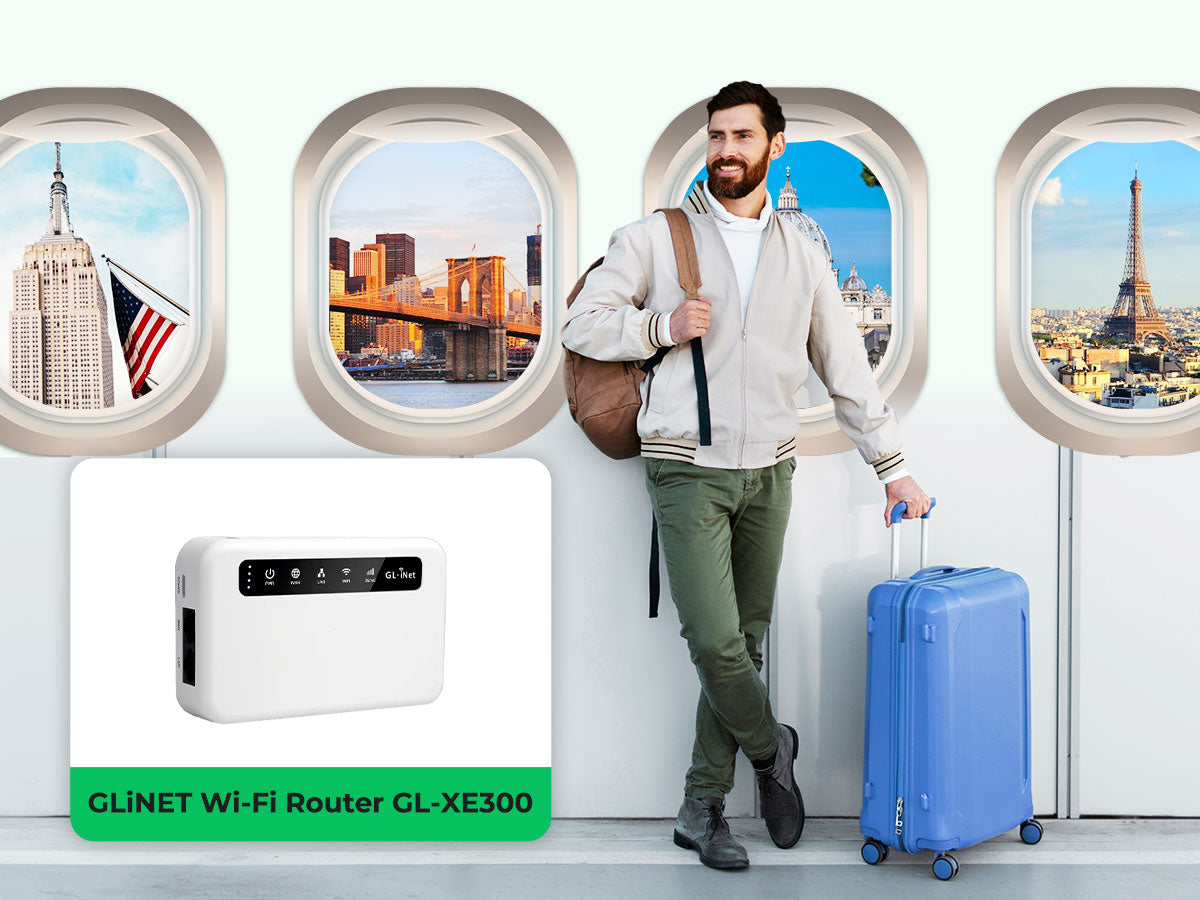
Credit: www.eiotclub.com
How Travel Routers Work
Understanding how travel routers work can help you decide if you really need one for your trips. These small devices let you share internet connections easily, whether you’re in a hotel, a café, or even outdoors. But what exactly happens behind the scenes when you power one up?
Basic Functions
Travel routers create a private Wi-Fi network by connecting to an existing internet source. This lets multiple devices like phones, laptops, or tablets connect securely through the router.
They often include features such as:
- Network encryption for safety
- Easy switching between different internet sources
- Compact size for easy packing
Think about the last time you struggled with slow or unsecured public Wi-Fi. A travel router can improve your connection speed and keep your data safer.
Connection Types
Travel routers can connect to the internet in a few different ways, depending on the model and your setup.
- Wi-Fi to Wi-Fi:The router connects to a public or private Wi-Fi network and then shares it with your devices.
- Ethernet to Wi-Fi:If you find a wired internet port, the router plugs in via Ethernet and creates a Wi-Fi hotspot.
- SIM Card Slot:Some travel routers have slots for SIM cards, allowing them to use mobile data directly.
Do you always carry a SIM card for internet while traveling? If not, a travel router without a SIM slot can still serve you well by boosting existing Wi-Fi or Ethernet connections.

Credit: www.eiotclub.com
Role Of Sim Cards In Travel Routers
Understanding the role of SIM cards in travel routers can help you decide what kind of device fits your travel needs. SIM cards allow travel routers to connect directly to cellular networks, providing internet access without relying on external Wi-Fi sources. This capability can be a game-changer when you’re in remote areas or places with unreliable public Wi-Fi.
When Sim Cards Are Needed
You need a SIM card in your travel router if you want to access the internet through mobile data directly. This is especially useful if you:
- Travel to countries where Wi-Fi is scarce or insecure
- Want a private, secure internet connection on the go
- Require uninterrupted connectivity for work or streaming
Without a SIM card slot, your router won’t connect to cellular networks. Instead, it will rely on existing Wi-Fi connections, which might not always be available or safe.
Travel Routers Without Sim Slots
Some travel routers don’t have SIM slots and work by sharing an existing Wi-Fi network. These routers are perfect when you are staying in places with strong and reliable Wi-Fi, like hotels or cafes.
They create a local network for your devices, improving connection stability and security. But remember, if there’s no Wi-Fi source, these routers can’t provide internet access.
Think about your typical travel destinations and connectivity options before choosing your router. Would you prefer a device that depends on cellular data or one that extends Wi-Fi signals?
Benefits Of Using Sim Cards
Using SIM cards with travel routers offers several clear benefits that can enhance your travel experience. It lets you tap into mobile data networks directly, bypassing the need for public Wi-Fi or hotel internet. This means you can stay connected more reliably and securely, wherever you go.
Accessing Mobile Data
With a SIM card inserted, your travel router can access mobile data just like a smartphone. This allows you to create your own Wi-Fi hotspot using cellular networks. You’re not limited to finding local Wi-Fi—your internet travels with you.
This is especially useful if you’re in remote areas or places where public Wi-Fi is unreliable or unsafe. You can choose a local SIM card to get better rates and faster speeds, which saves you money and frustration. Have you ever struggled with weak hotel Wi-Fi during an important video call? A SIM card in your travel router can prevent that.
Improved Connectivity On The Go
Travel routers with SIM cards provide consistent internet access on the move. Whether you’re in a taxi, a café, or hiking in the countryside, your device stays connected to the best available cellular network.
This constant connection means you can work, stream, or chat without interruptions. Plus, you can connect multiple devices at once, so your phone, laptop, and tablet all benefit from the same stable connection.
Doesn’t it feel better knowing your online world isn’t tied to finding a Wi-Fi password every time you change locations?
Alternatives To Sim Card Usage
Travel routers do not always need SIM cards to connect to the internet. Several alternatives let you access online networks easily during your trip. These options offer flexibility without requiring a dedicated SIM card for the router.
Wi-fi Hotspot Connections
Many travel routers can connect to existing Wi-Fi hotspots. This lets you share a public or hotel Wi-Fi network with multiple devices. It is a simple way to create a private network without extra SIM cards.
Using Wi-Fi hotspots also saves money. No need to buy a local SIM or data plan. Just connect the router to the hotspot, and it spreads the connection securely to your devices.
Tethering From Smartphones
Smartphone tethering is another popular alternative. Your phone shares its internet via Wi-Fi or USB with the travel router. This method uses your phone’s mobile data without inserting a SIM into the router.
This option works well if your phone has a good data plan. It also lets you control internet use easily from your phone. Plus, it keeps your router setup simple and SIM-free.
Choosing The Right Travel Router
Choosing the right travel router helps ensure smooth internet access wherever you go. A good travel router suits your specific needs and travel style. It offers convenience, speed, and security on the road. Understanding key features makes picking the best device easier.
Considerations For Sim Card Support
Some travel routers have built-in SIM card slots. These let you use mobile data directly through the router. This feature is useful if Wi-Fi is unavailable or unreliable. Confirm the router supports the SIM card type you plan to use. Check network compatibility, such as 4G or 5G support. Routers without SIM slots can still connect to mobile hotspots or tethered phones.
Battery Life And Portability
Long battery life is crucial for travel routers. It ensures internet access during long trips or outdoor use. Look for routers with at least 6 to 10 hours of battery life. Small and lightweight models fit easily in your bag or pocket. Compact routers weigh less and take up less space. Portability combined with battery power boosts convenience on the move.
Tips For Using Travel Routers Abroad
Travel routers enhance internet access during trips abroad. They connect multiple devices using a single network. Understanding how to use them abroad is crucial. Here are some practical tips.
Local Sim Card Options
Consider buying a local SIM card for your travel router. It often provides better internet speeds and lower costs. Check availability at airports or local shops. Ensure the SIM card fits your router’s slot. Some routers may require a SIM card adapter. Verify compatibility before purchase.
Data Plans And Costs
Research data plans that suit your travel needs. Local providers may offer prepaid plans. These often come with various data limits. Compare costs to avoid overspending. Some plans offer unlimited data for a fixed period. Choose based on your internet usage. Be aware of roaming charges if applicable.

Credit: www.eiotclub.com
Frequently Asked Questions
Do Travel Routers Require Sim Cards To Function?
Not all travel routers need SIM cards. Some use existing Wi-Fi or Ethernet connections. Others have SIM slots for mobile data access abroad.
How Does A Sim Card Enhance Travel Router Use?
A SIM card allows travel routers to connect directly to cellular networks. This provides internet without relying on public Wi-Fi or wired connections.
Can Travel Routers Work Without A Sim Card?
Yes, travel routers can work without SIM cards by connecting to Wi-Fi or wired internet. SIM cards are optional for cellular data access.
What Type Of Sim Card Fits Travel Routers?
Travel routers typically use standard, micro, or nano SIM cards depending on the device. Check your router’s specifications for the correct SIM size.
Conclusion
Travel routers do not always need SIM cards. Some work with Wi-Fi only. Others support SIM cards for mobile data. This helps when no Wi-Fi is available. Choosing the right router depends on your needs. Consider where you will travel and connect.
A SIM card can add convenience and freedom. But it is not required for all routers. Understanding your options makes travel easier and safer. Keep your devices connected wherever you go. Simple and smart choices lead to better trips.