Are you worried that switching to a dual band router might drain more electricity and hike up your bills? It’s a smart question because understanding how your devices use power can help you save money and make better choices.
You might be surprised to learn how much energy your router actually consumes and whether dual band technology changes that. Keep reading to discover the truth behind dual band routers and power usage—knowing this could help you optimize your home network without wasting energy.

Credit: www.engadget.com
Dual Band Router Basics
Understanding the basics of dual band routers is key before diving into power usage questions. These devices play a crucial role in how your home or office network performs. Knowing what they are and how they work can help you make smarter decisions about your setup.
What Is A Dual Band Router
A dual band router is a wireless router that operates on two different frequency bands: 2.4 GHz and 5 GHz. This means it can send and receive data over two separate channels, giving you more flexibility and potentially better network performance.
Unlike single band routers that only use the 2.4 GHz band, dual band routers can handle more devices at once without as much interference. This is especially useful if you have many gadgets connected to your Wi-Fi.
Frequency Bands Explained
The 2.4 GHz band covers a wider area but offers slower speeds. It’s great for devices farther from the router or those that don’t need fast internet, like smart home devices.
The 5 GHz band is faster but has a shorter range. It works well for activities that require high speed, such as streaming HD videos or gaming. Knowing this difference helps you decide which band to use for each device.
Common Uses Of Dual Band Routers
Many people use dual band routers to separate their devices based on needs. For example, you might connect your laptop and smartphone to the 5 GHz band for faster speeds, while your smart thermostat stays on the 2.4 GHz band.
- Streaming video without buffering
- Online gaming with minimal lag
- Handling multiple devices in busy households
- Improving signal strength in larger spaces
Have you noticed how your internet feels faster when you switch between bands? This simple step can improve your online experience without buying new equipment.
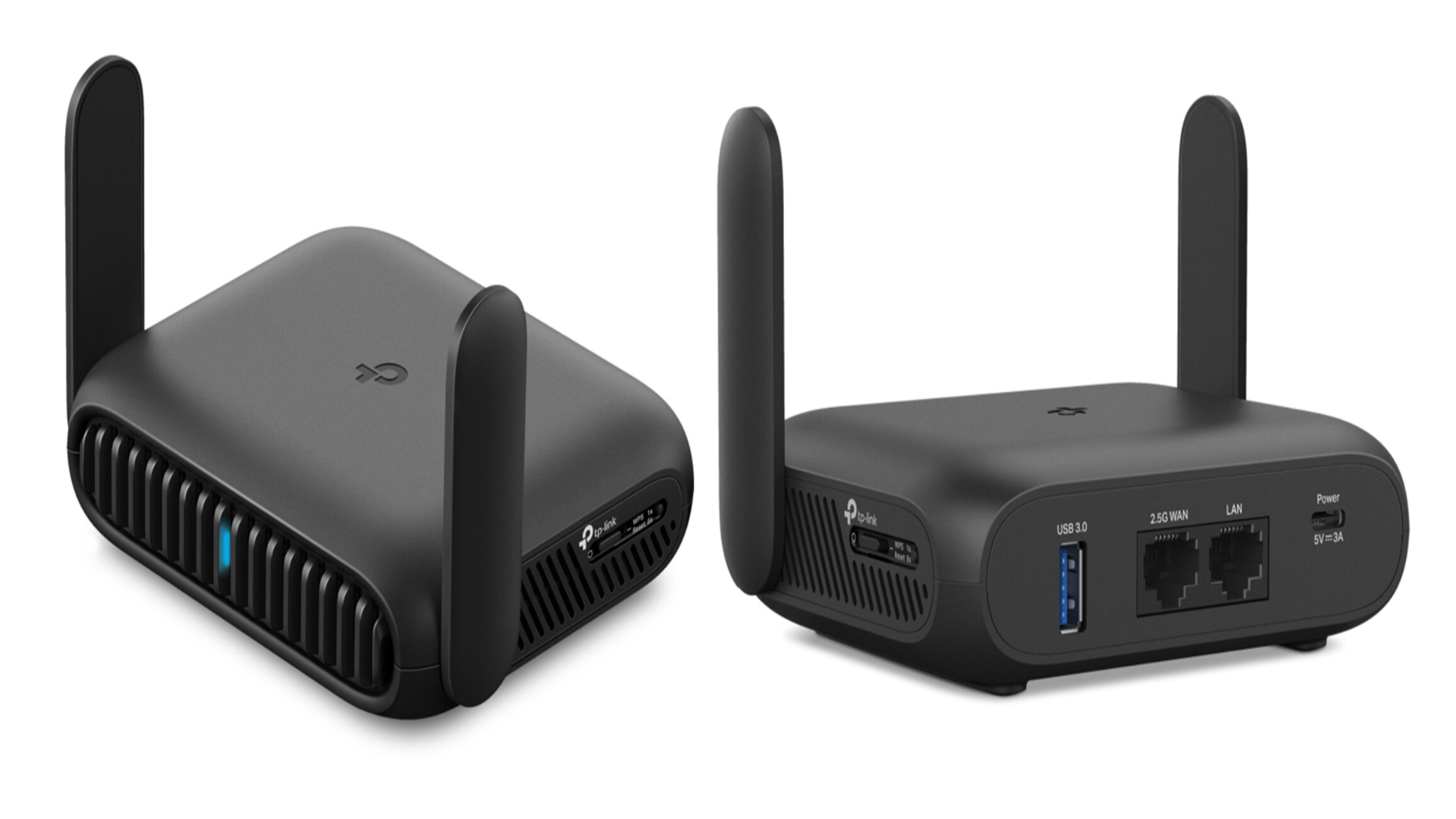
Credit: www.techradar.com
Power Consumption Factors
Power consumption depends on various factors beyond just the router type. Understanding these factors helps you see why some routers use more electricity. Many parts inside a router contribute to how much power it draws. Signal strength and coverage area also play important roles. Exploring these elements gives a clearer picture of power use differences.
Components Affecting Power Use
Inside a dual band router, multiple parts consume electricity. The processor handles data and runs the system. Each Wi-Fi band has its own radio and amplifier. More antennas increase power demand. The power supply itself has efficiency limits. Cooling mechanisms, if present, add to consumption too.
- Processor and chipset
- Wi-Fi radios for 2.4 GHz and 5 GHz bands
- Number of antennas
- Power supply efficiency
- Cooling fans or heat sinks
Comparison With Single Band Routers
Single band routers use only one Wi-Fi frequency. They have fewer radios and simpler circuits. This often means less power needed. Dual band routers have extra hardware for the second band. This can increase power use, but not drastically. The difference depends on usage and device design. Some dual band models are optimized to save energy.
| Router Type | Hardware Complexity | Typical Power Use |
|---|---|---|
| Single Band | One radio, fewer antennas | Lower |
| Dual Band | Two radios, more antennas | Moderate to slightly higher |
Impact Of Signal Strength And Range
Stronger signals require more power from the router. Extending Wi-Fi range also raises power consumption. Routers increase radio output to cover larger areas. Walls and obstacles cause the router to boost signals. Dual band routers can adjust power per band. This flexibility affects overall electricity use.
Energy Use In Different Modes
Energy use in routers changes with how they operate. Different modes affect power consumption. Understanding these modes helps to see if dual band routers use more power.
Single Band Vs Dual Band Operation
Single band routers use only one frequency, usually 2.4 GHz. Dual band routers use two frequencies: 2.4 GHz and 5 GHz. Using two bands can increase power use because more components run at once. But the difference is often small. It depends on how many devices connect and how much data moves.
Effect Of Bandwidth And Traffic
More data means more power. Higher bandwidth needs more energy to send and receive signals. Dual band routers can handle more traffic at once. This can raise power use compared to single band routers. If traffic is low, power use stays closer to single band levels. Busy networks use more energy.
Idle Vs Active Power Consumption
Routers use less power when idle. Idle means no active data transfer, just waiting. Power rises when devices send or receive data. Dual band routers may use slightly more power when idle, due to extra radios. During activity, the gap grows. Active data transfer increases power use significantly.

Credit: www.amazon.ca
Real-world Power Usage
Understanding the real-world power usage of a dual band router is essential. It helps in managing energy costs effectively. Many households use these routers for better connectivity. But, do they consume more power than single band routers?
Typical Wattage Range
Dual band routers often consume between 6 to 20 watts. This range varies based on the model and features. Newer models might be more efficient.
Energy Efficiency Ratings
Check for energy efficiency ratings on your router. Some routers have Energy Star certifications. This indicates lower power consumption. Efficient routers save energy and reduce bills.
Influence Of Router Settings
Router settings can impact power usage significantly. Features like beamforming and MU-MIMO use extra power. Disabling unused features can reduce energy consumption. Adjusting signal strength also affects power usage.
Reducing Power Consumption
Reducing power consumption in dual band routers helps save energy and lower electricity bills. Small changes in router setup can make a noticeable difference. Efficient use also extends the device’s lifespan and supports a greener environment.
Optimizing Router Placement
Place the router in an open, central location. Avoid walls and metal objects that block signals. A clear signal reduces the router’s effort to transmit data. This lowers power use without losing performance.
Using Power Saving Features
Many routers offer settings to reduce energy use. Enable features like automatic sleep mode or lower transmission power. Set the router to turn off Wi-Fi during inactive hours. These options cut power without affecting daily tasks.
Upgrading To Energy Efficient Models
Newer routers use less electricity than older ones. Look for models with energy-saving certifications. These devices manage power better and run cooler. Investing in an efficient router saves money over time.
Is Dual Band Power Use Worth It?
Is the extra power used by a dual band router really worth it? Many people worry about higher electricity bills from advanced routers. The truth is, the power difference between single band and dual band routers is quite small. The benefits you get from better speed and connection often outweigh the slight increase in power use.
Benefits Of Dual Band For Performance
Dual band routers offer two frequency bands: 2.4 GHz and 5 GHz. This allows devices to connect on the best band for their needs. The 2.4 GHz band covers longer distances but is slower. The 5 GHz band is faster but covers less area. This balance improves overall internet speed and reduces interference from other devices.
With dual band, many devices can connect at once without slowing down the network. Streaming, gaming, and video calls run smoother. Dual band routers also help avoid crowded Wi-Fi channels, leading to a more stable connection.
Weighing Power Use Vs Connectivity
Dual band routers use slightly more power than single band models. This is because they operate two frequency bands at once. However, the increase is usually just a few watts. Over a month, this adds only a small amount to your electricity bill.
The improved performance reduces frustration and lost time. A stronger, faster connection means less waiting and fewer dropped signals. This can make the small extra power cost worthwhile.
When To Choose Dual Band Routers
- If you have many devices connected to Wi-Fi.
- If you use high-bandwidth activities like streaming or gaming.
- If your home has Wi-Fi dead zones or interference issues.
- If you want future-proof equipment for new devices.
Dual band routers suit homes and offices with heavy internet use. For simple browsing or few devices, a single band router may be enough. The small power increase is a fair trade for better connectivity in busy networks.
Frequently Asked Questions
Does A Dual Band Router Consume More Electricity?
A dual band router uses slightly more power than a single band model. It operates two frequencies, which increases energy usage but remains minimal overall.
How Much Extra Power Does Dual Band Use?
Dual band routers typically use 1 to 3 watts more power than single band routers, depending on model and usage intensity.
Can Dual Band Routers Increase Electricity Bills?
The power increase from dual band routers is minor and unlikely to significantly impact your electricity bill.
Is Dual Band Router Power Usage Efficient?
Yes, dual band routers are energy efficient considering their enhanced performance and ability to reduce network congestion.
Conclusion
Dual band routers use slightly more power than single band ones. The difference is small and often not noticeable. Using both bands helps improve internet speed and connection. Power use depends on how many devices connect and the router’s settings.
Choosing a dual band router can be worth the small extra energy use. It gives better coverage and fewer interruptions. Balancing power use and performance matters most for a good home network.