Are you struggling to find reliable internet in your rural home without breaking the bank? You might be wondering if a budget router can really deliver the speed and connection you need.
Choosing the right router can feel confusing, especially when options seem endless and your internet needs are unique. But what if a low-cost router could actually improve your rural internet experience? Keep reading to discover the truth about budget routers and how they might just be the solution you’ve been searching for.
Budget Routers And Rural Needs
Choosing the right router for rural internet can feel tricky, especially when budgets are tight. Budget routers often seem like an easy choice, but do they really meet the unique demands of rural areas? Understanding what rural internet requires helps you decide if a budget router will serve your needs or hold you back.
Typical Rural Internet Challenges
Rural internet users often face slower speeds and weaker signals than city dwellers. Infrastructure limitations mean fewer high-speed options, and long distances from towers can cause frequent dropouts.
Weather and terrain can also disrupt connections, making reliability a top priority. You might find your internet cutting out during storms or when you’re far from the nearest signal source. Do you need a router that can maintain steady connections despite these hurdles?
How Budget Routers Fit In
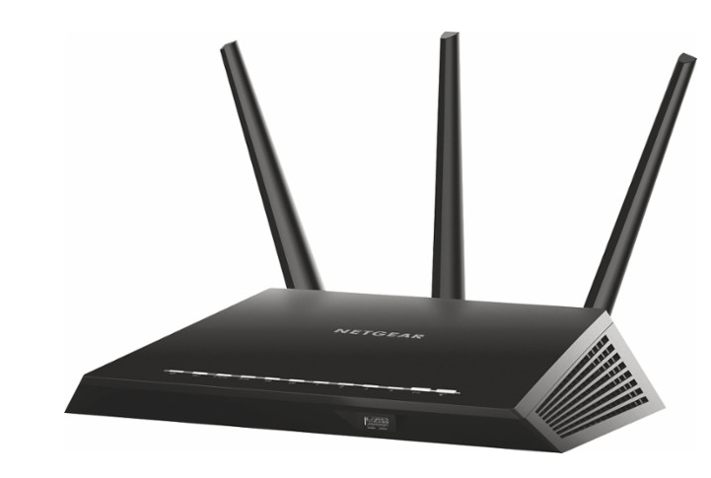
Budget routers usually offer basic features with limited range and fewer antennas. This can be a problem if your rural home is large or if the signal has to travel through thick walls or over long distances.
However, some budget models surprise you with decent range and stable performance if you manage your expectations. They work well for simple tasks like browsing or light streaming but might struggle with multiple users or higher bandwidth needs.
- Easy setup and user-friendly interfaces make budget routers appealing.
- Lower power consumption can be a plus if your power supply is inconsistent.
- Some budget routers support external antennas, which can boost rural signal strength.
Ask yourself: Are you willing to upgrade your equipment later if your budget router can’t keep up? Sometimes starting with a budget router and adding signal boosters or external antennas can be a practical approach.
Credit: www.highspeedoptions.com
Performance Factors To Consider
Choosing a budget router for rural internet isn’t just about the price tag. Understanding how well the router performs under rural conditions is crucial. You need to consider several key factors that directly impact your internet experience.
Signal Strength And Range
Rural areas often have larger spaces and fewer walls, but they may also face obstacles like trees or hills that weaken signals. Budget routers sometimes have limited signal strength, which can leave parts of your home with weak or no connection.
Think about where you’ll place your router. If your internet setup is in a corner, will the signal reach the farthest rooms? A router with better antennas or support for external ones can help extend coverage.
Speed And Bandwidth Limits
Budget routers usually offer lower maximum speeds and limited bandwidth. If your rural internet connection is slow to begin with, a cheap router might not improve your overall speed.
Ask yourself: how many devices will connect at once? Streaming videos, video calls, and online gaming all demand good bandwidth. A router that handles multiple devices without lag is key, even if it’s budget-friendly.
Device Compatibility
Not all routers work well with every type of internet service, especially in rural areas where providers often use DSL or satellite connections. Your budget router must support your specific internet technology.
Check if the router supports common standards like Wi-Fi 5 or Wi-Fi 6. Older devices might not benefit from newer standards, but newer devices will struggle with outdated routers.
Have you checked your current devices and internet provider requirements? Compatibility can save you from frustration and extra expenses down the road.
Pros Of Budget Routers In Rural Areas
Budget routers offer several advantages for rural internet users. They provide practical solutions without high costs. These routers fit well with basic internet needs in less populated areas. Understanding their benefits helps in choosing the right device.
Cost Savings
Budget routers are affordable, helping save money. They require less investment than premium models. This makes them a good choice for families or individuals on a tight budget. Spending less on equipment leaves more funds for other needs.
Ease Of Setup
These routers are simple to install and use. They come with straightforward instructions and few settings. Users without technical skills can set them up quickly. This ease reduces frustration and saves time in rural homes.
Basic Features For Everyday Use
Budget routers cover essential internet functions well. They support web browsing, email, and streaming at moderate speeds. This fits common rural internet activities without extra complexity. Users get reliable connections for daily tasks.

Credit: www.popularmechanics.com
Cons Of Budget Routers In Rural Settings
Budget routers can be tempting for their cost-effectiveness, but they may not always be the best choice for rural internet users. While they offer a feasible entry point to setting up a home network, they often come with limitations that can affect your internet experience. Understanding these drawbacks can help you make a more informed decision.
Limited Coverage
One of the most significant issues with budget routers is their limited coverage area. In rural settings, homes are often spread out, and a single router may struggle to provide consistent internet access throughout a large property. You might find yourself frustrated as you move around your home and your connection drops or slows down.
Consider whether you can place your router in a central location to maximize its reach. However, even the best placement might not solve the problem if the router’s signal isn’t strong enough. Investing in range extenders or a more powerful router might be necessary for full coverage.
Lower Durability
Another downside is the potential for lower durability. Budget routers are often made from cheaper materials, which can affect their longevity. If you live in an area with frequent power outages or voltage fluctuations, a budget router might not withstand these challenges as well as a higher-end model.
Think about how often you want to replace your router. Spending a bit more upfront for a durable device can save you from frequent replacements and disruptions. Is it worth the gamble to go for the cheaper option?
Fewer Advanced Features
Budget routers typically lack advanced features that could improve your internet experience. Features like Quality of Service (QoS) controls, dual-band capabilities, or advanced security settings might be absent. These features can be particularly useful in rural areas where internet speed and security are often a concern.
Reflect on what features you might need. A lack of these features could mean slower internet during peak usage times or increased vulnerability to security threats. Is saving money worth sacrificing these potentially crucial functionalities?
Choosing the right router involves balancing cost with needs. By considering these factors, you can make a choice that best fits your lifestyle and internet usage requirements.
Alternatives To Budget Routers
Budget routers may seem like an easy fix for rural internet issues, but they often fall short in coverage and speed. Thankfully, there are alternatives that can better meet the unique challenges of rural connectivity. Understanding these options helps you make smarter choices for a reliable internet experience.
Mid-range And High-end Options
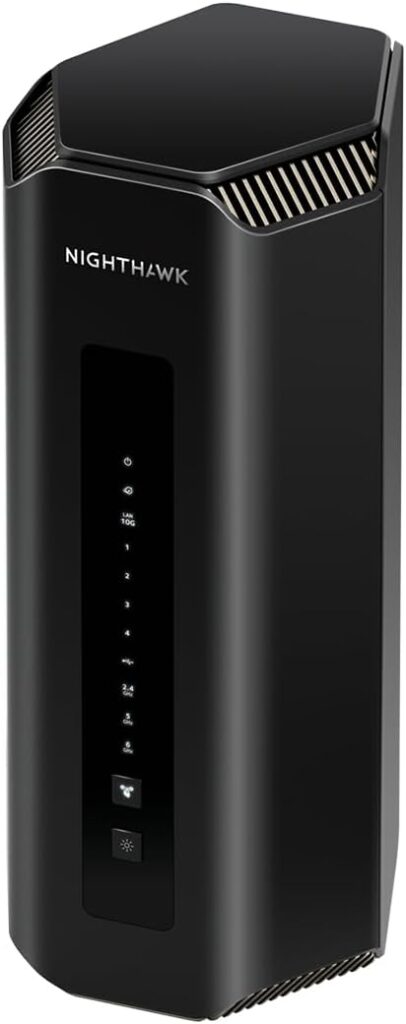
Mid-range routers offer a significant upgrade over budget models by providing stronger signals and better handling of multiple devices. Brands like TP-Link Archer or ASUS RT series deliver faster speeds and wider coverage without breaking the bank. If your internet usage includes streaming, video calls, or online gaming, investing in a high-end router such as the Netgear Nighthawk or Google Nest Wifi can make a noticeable difference.
These routers often come with advanced features like Quality of Service (QoS) settings, which prioritize important traffic to keep your connection smooth. Have you noticed your budget router struggling when several family members are online? Moving up to these options could solve that problem.
Using External Antennas Or Extenders
Adding external antennas to your router can boost signal strength and reach, especially in larger or obstructed rural homes. Some routers allow antenna upgrades, giving you the flexibility to aim the signal where you need it most. This simple tweak can extend coverage into outbuildings or far corners of your property.
Wi-Fi extenders or mesh systems are another practical solution. They pick up your main router’s signal and rebroadcast it, eliminating dead zones. Mesh networks, in particular, create a seamless connection by using multiple nodes spread throughout your home, which is ideal if walls or distance weaken your signal.
Would placing an extender in a strategic spot improve your internet in the barn or workshop? Experimenting with antennas and extenders often uncovers surprisingly effective results without a full equipment overhaul.
Tips For Optimizing Budget Router Use
Using a budget router in rural areas requires smart adjustments. These tips help improve speed, coverage, and security. Small changes can make a big difference.
Placement Strategies
Place your router in a central spot in the home. Avoid corners and walls that block signals. Keep it high, like on a shelf, not on the floor. Stay away from metal objects and electronics that cause interference. Open spaces allow signals to spread better.
Firmware Updates
Check for router firmware updates regularly. Updates fix bugs and improve performance. They also add security patches to protect your network. Visit the router brand’s website or use the router’s app to update. Keep the device running smoothly with the latest software.
Security Best Practices
Set a strong password for your Wi-Fi. Use WPA3 or WPA2 encryption if available. Turn off remote management to stop unwanted access. Change the default login details of the router. These steps prevent hackers and keep your connection safe.
Credit: www.switcherstudio.com
Frequently Asked Questions
Are Budget Routers Reliable For Rural Internet Use?
Budget routers can be reliable for rural internet if they support your ISP’s technology. They work well with moderate speeds and fewer connected devices. However, they may lack advanced features and range needed for larger rural homes. Choose a router with good reviews and compatibility for best results.
Can Budget Routers Handle Slow Rural Internet Speeds?
Yes, budget routers can handle slow rural internet speeds efficiently. They often support basic broadband speeds common in rural areas. For slower connections, advanced features like MU-MIMO or high throughput aren’t necessary. Budget routers provide a cost-effective solution without sacrificing essential performance.
Do Budget Routers Have Enough Range For Rural Homes?
Budget routers usually have limited range, which might be a concern in larger rural homes. However, range extenders or mesh systems can improve coverage. If your home is small or close to the router, a budget model can provide adequate signal strength for daily use.
Are Budget Routers Compatible With Rural Internet Providers?
Most budget routers are compatible with common rural internet providers like DSL, cable, or fixed wireless. Always check your ISP’s requirements before purchasing. Compatibility ensures smooth installation and stable internet performance without needing expensive or specialized hardware.
Conclusion
Budget routers can work for rural internet, but with limits. They offer basic features and save money upfront. Signal strength and speed might not be the best for large areas. Choosing the right router depends on your home size and connection type.
Sometimes, spending a bit more brings better coverage and fewer problems. Think about your internet needs before buying. Simple routers suit small spaces with light use. For heavy streaming or multiple users, consider stronger models. Rural internet can improve with the right device and setup.