Are you tired of slow internet when everyone in your family is online at the same time? If your home feels like a traffic jam of devices fighting for bandwidth, a tri band router might be the solution you need.
But is it really better for big families like yours? Imagine smooth streaming, fast downloads, and no more buffering, even when multiple devices are connected. You’ll discover how a tri band router can transform your home network and whether it’s the right choice to keep everyone happy and connected.
Keep reading to find out how to make your internet work harder for you.
Tri Band Router Basics
Understanding the basics of a tri band router is essential before deciding if it suits a big family’s internet needs. These routers promise faster speeds and better connectivity by managing multiple devices more efficiently. Let’s break down what makes tri band routers different and why they might be a smart choice for your home.
What Is A Tri Band Router
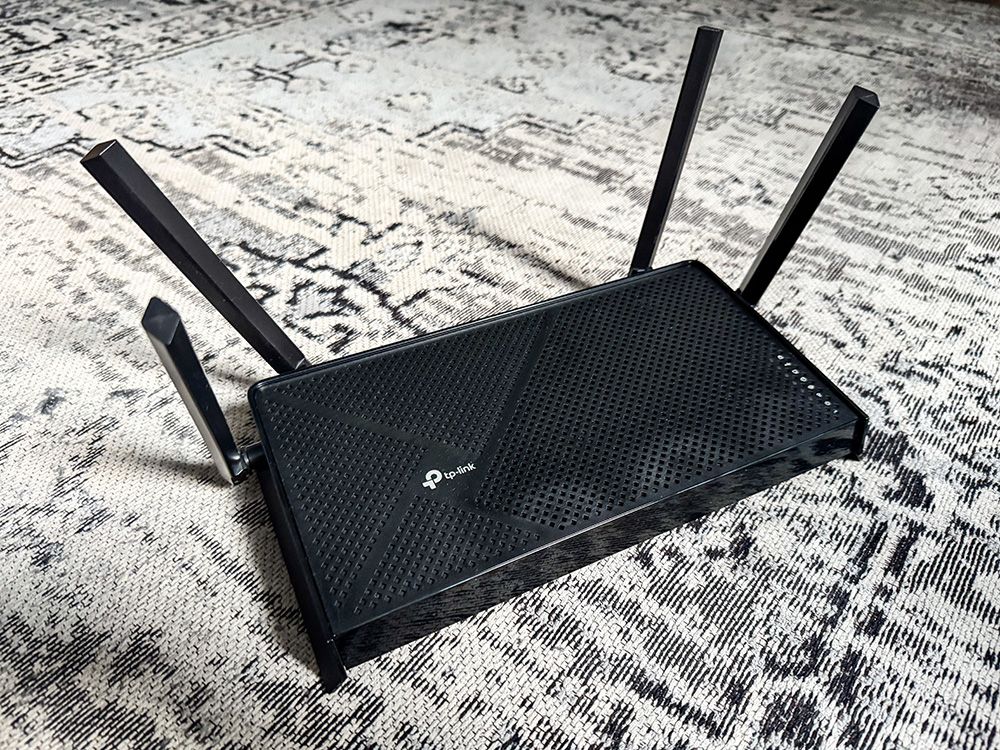
A tri band router broadcasts three separate wireless signals instead of just one or two. Typically, it offers one 2.4 GHz band and two 5 GHz bands. This setup allows more devices to connect without slowing down your network.
Imagine your family streaming movies, gaming online, and working from home—all at the same time. A tri band router can handle these activities smoothly by distributing the traffic across its three bands. This helps reduce congestion and interference.
Differences From Dual Band Routers
Dual band routers provide two frequency bands: 2.4 GHz and 5 GHz. This setup can support multiple devices but may struggle when many gadgets compete for bandwidth.
Tri band routers add an extra 5 GHz band, which means more room for devices to connect without interfering with each other. This difference can be crucial in homes where every family member uses several devices simultaneously.
- Dual Band:Two bands (1 x 2.4 GHz + 1 x 5 GHz)
- Tri Band:Three bands (1 x 2.4 GHz + 2 x 5 GHz)
Think about how much smoother your internet feels when fewer devices share the same channel. That’s the advantage a tri band router offers, especially if your family’s devices are always online.
Credit: www.popularmechanics.com
Benefits For Large Families
Large families often face challenges with internet connectivity. Multiple devices competing for bandwidth can slow down the network. A tri band router offers distinct advantages to handle these demands smoothly. It can support several devices and keep internet speeds stable for everyone.
Handling Multiple Devices
A tri band router has three separate frequency bands. This allows many devices to connect without crowding a single band. Each band can serve different devices, reducing interference and congestion. Streaming, gaming, and browsing can happen simultaneously with less delay. Large families benefit from this as each member’s device gets enough bandwidth.
Improved Speed And Performance
Tri band routers provide better overall speed. They balance the load across three bands instead of one or two. This leads to faster data transfer and fewer slowdowns. Activities like video calls and HD streaming run smoothly. Faster performance means less frustration and more productive online time for the whole family.
Coverage Advantages
Coverage advantages make tri band routers a smart choice for big families. These routers offer stronger and wider signals. They help connect multiple devices without slowing down the network. This makes internet use smoother for everyone at home.
Expanding Wi-fi Range
Tri band routers use three separate bands to spread the signal. This helps reach every corner of a large home. Devices far from the router get a steady connection. The extra band reduces crowding on the network. It allows more devices to connect at once without losing speed.
Reducing Dead Zones
Dead zones cause frustration with weak or no signal. Tri band routers cover more area, cutting down these spots. The router sends signals on different channels to avoid interference. This keeps the Wi-Fi strong in rooms that usually have poor coverage. Big families enjoy reliable internet no matter where they are in the house.
Credit: www.popularmechanics.com
Speed Factors
Speed factors like multiple bands reduce device traffic and improve connection quality. Tri-band routers offer faster speeds for many users at once. This helps big families enjoy smooth internet without slowdowns.
Speed is crucial for big families using the internet. Fast connections make online tasks smoother. A tri-band router can help with this. It offers multiple frequency bands for better performance. This section explores why tri-band routers are better for big families.Bandwidth Allocation
Tri-band routers offer one 2.4 GHz and two 5 GHz bands. This setup helps distribute the load evenly. Devices get their own space to work efficiently. More bandwidth means less congestion and smoother connectivity. Families can connect multiple devices without slowdowns.Impact On Streaming And Gaming
Streaming and gaming need fast and reliable internet. Tri-band routers make this possible. They reduce lag by offering dedicated lanes for heavy tasks. A separate band for gaming ensures uninterrupted play. Streaming videos load faster with no buffering. This creates a better experience for everyone at home.Potential Drawbacks
While tri-band routers promise faster speeds and better device management for big families, they come with a few potential drawbacks you should consider before making a purchase. Understanding these can help you decide if the extra investment truly fits your household’s needs.
Cost Considerations
Tri-band routers typically cost significantly more than dual-band models. This can be a tough pill to swallow if your budget is tight or if your internet plan doesn’t support ultra-high speeds.
Keep in mind, paying for advanced hardware doesn’t always translate to noticeable benefits unless you have many devices or heavy internet users. Ask yourself: Are you truly maximizing the extra bandwidth, or just paying for future-proofing?
Complexity In Setup
Tri-band routers can be more complicated to set up compared to standard routers. Managing multiple frequency bands may require more time and some tech knowledge.
If you’re not comfortable tweaking settings or troubleshooting network issues, this complexity could lead to frustration. Sometimes, the hassle outweighs the speed gains, especially if your family’s internet habits are straightforward.
Comparing Alternatives
Choosing the right router for a big family means weighing your options carefully. You want a setup that handles multiple devices without slowing down your internet experience. Let’s look at how dual band routers and mesh Wi-Fi systems stack up against tri band routers, so you can find what fits your household best.
Dual Band Routers
Dual band routers broadcast on two frequencies: 2.4 GHz and 5 GHz. This gives you decent speed and coverage for everyday use. However, when many devices connect at once, you might notice slower performance.
These routers are generally more affordable and easier to set up. But if your family streams, plays games, or works from home simultaneously, a dual band might struggle to keep up. Have you experienced buffering or dropped connections during busy hours? That’s a common sign your router can’t handle the load.
Mesh Wi-fi Systems
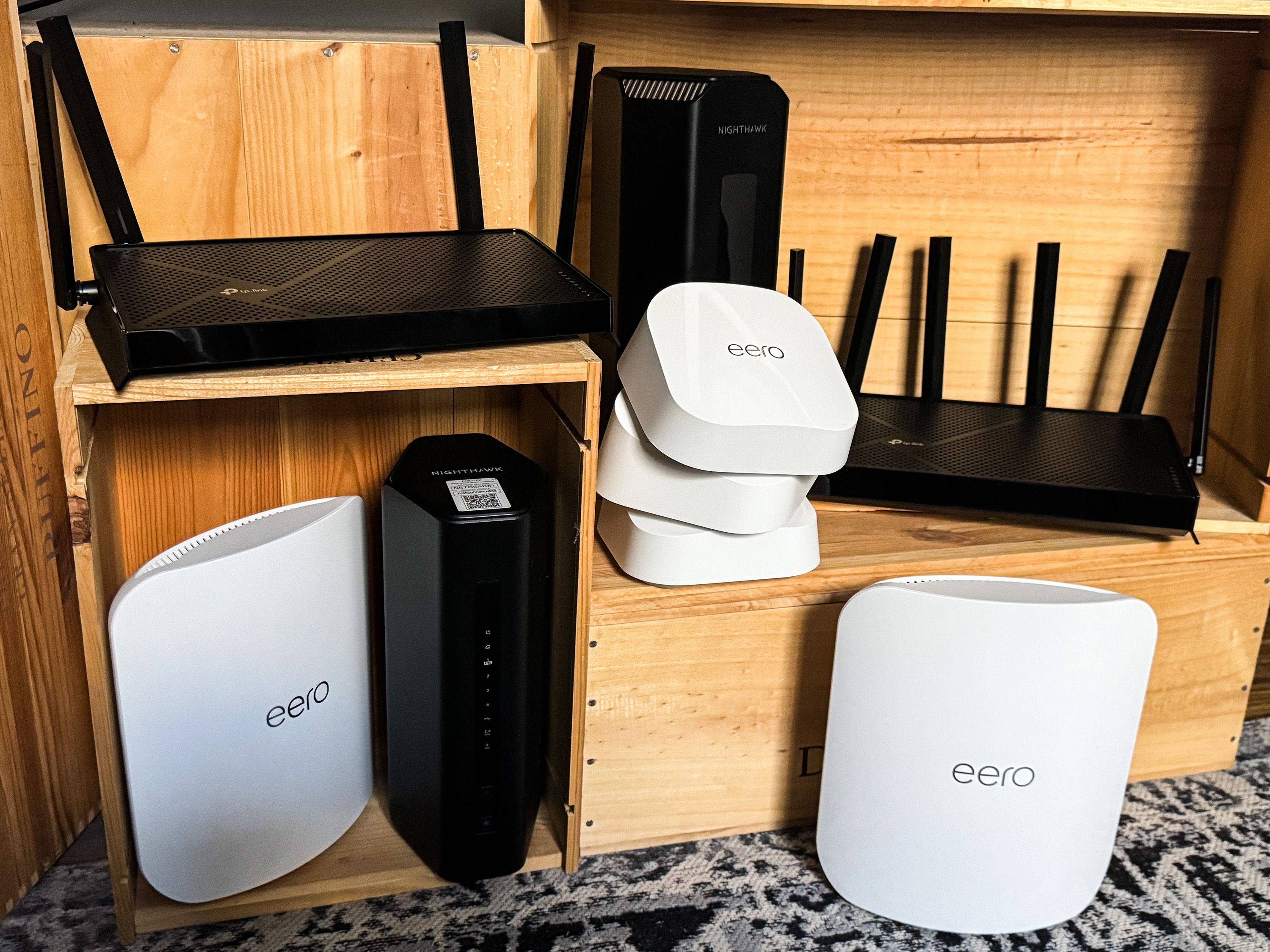
Mesh Wi-Fi systems use multiple nodes spread around your home to create a strong, consistent signal. This setup is great if your house has many rooms or thick walls blocking Wi-Fi signals. Each node communicates with the others, reducing dead zones and improving coverage.
Mesh systems can handle many devices by spreading the traffic, but they usually operate on dual bands or tri bands depending on the model. They are perfect if you want seamless Wi-Fi everywhere without worrying about where you are in the house. Does your current router leave you searching for signal in certain rooms? A mesh system might be the upgrade you need.
Choosing The Right Router
Choosing the right router is crucial for big families who rely on multiple devices for work, school, and entertainment. The right router can prevent slow internet speeds and connection drops, keeping everyone happy and productive. Before buying, it’s important to understand your household’s specific needs and the layout of your home.
Assessing Family Needs
Start by listing how many devices connect to your Wi-Fi daily. Include smartphones, tablets, laptops, smart TVs, gaming consoles, and smart home gadgets. If your family streams videos, plays online games, or joins video calls simultaneously, you need a router that can handle high traffic without lag.
Think about the types of activities your family does online. Are there multiple video calls happening at once? Does someone frequently upload large files? These details help you decide if a tri-band router, which offers extra bandwidth, is worth the investment.
Evaluating Home Layout
Your home’s size and structure affect Wi-Fi performance more than you might expect. Thick walls, multiple floors, and long distances can weaken signals. A tri-band router can help cover larger areas, but you might also need additional devices like mesh extenders.
Consider where you typically use the internet. Is the router in a central spot, or tucked away in a corner? Positioning the router well can improve coverage without always needing the most expensive model. Sometimes, improving placement makes a bigger difference than upgrading hardware.

Credit: cybernews.com
Frequently Asked Questions
What Is A Tri Band Router?
A tri band router has three separate Wi-Fi bands. It reduces network congestion and improves speed for multiple devices. This is ideal for big families with many internet users.
How Does A Tri Band Router Help Big Families?
It allows more devices to connect without slowing down. The router balances traffic across three bands. This ensures smooth streaming, gaming, and browsing for all family members.
Is A Tri Band Router Better Than Dual Band?
Yes, tri band routers offer an extra 5GHz band. This provides more bandwidth and reduces interference. For big families, this means faster and more reliable connections.
Can Tri Band Routers Handle Many Devices?
Absolutely. Tri band routers are designed to manage many simultaneous connections. They prevent network overload, keeping performance stable even with heavy usage.
Conclusion
A tri-band router helps big families share internet smoothly. It handles many devices at once without slowing down. Each band works like a separate lane for data. This reduces traffic jams and keeps connections strong. Families can stream, work, and play without interruptions.
Choosing the right router means better internet for everyone. Think about your family’s needs and device count. A tri-band router fits homes with many users well. It offers better speed and less lag during busy times. A smart choice for families wanting reliable internet daily.