Are you tired of lag ruining your gaming experience? You might wonder if switching to a wired connection could make a real difference.
When every millisecond counts, your choice of internet setup can either boost your performance or hold you back. This article will help you understand why a wired connection might be the secret weapon you need to level up your game.
Keep reading to discover how to get the fastest, most reliable connection for your gaming sessions.

Credit: www.reddit.com
Wired Vs Wireless Gaming
Choosing between wired and wireless connections is key for gaming. Each type affects gameplay differently. Gamers want fast, smooth, and reliable connections. Understanding these differences helps pick the right setup.
Latency And Ping Differences
Latency means the delay before data reaches its destination. Ping measures this delay in milliseconds. Lower latency and ping result in faster responses during gaming.
Wired connections usually have lower latency than wireless. This means commands reach the game faster. Wireless connections often face higher latency due to signal processing.
For games needing quick reactions, wired connections offer an advantage. Wireless signals can cause small delays that affect gameplay.
Signal Stability And Interference
Signal stability is crucial for smooth gaming. Wired connections provide consistent signals without drops. They are not affected by walls or other devices.
Wireless connections can face interference from other electronics. Walls, microwaves, and other networks weaken the signal. This causes lag spikes and connection drops.
A wired connection ensures steady gameplay with fewer interruptions. Wireless setups need a strong, clear signal for best performance.
Credit: broadbandnow.com
Speed Factors For Wired Connections
Speed plays a crucial role in gaming, especially when using a wired connection. Understanding what affects the speed of your wired setup can help you get the most out of your gaming experience. Let’s break down the key factors that influence how fast and stable your wired connection really is.
Cable Types And Quality
The type of Ethernet cable you use directly impacts your connection speed and reliability. Cat5e cables support speeds up to 1 Gbps, which is usually enough for most gamers. However, upgrading to Cat6 or Cat7 cables can provide faster speeds and better shielding against interference.
Quality matters just as much as the cable type. Cheaper cables may not maintain consistent performance and can cause packet loss or latency spikes during intense gaming moments. Have you checked the specifications and build quality of your cable recently?
- Cat5e:Up to 1 Gbps, suitable for most gaming needs
- Cat6:Supports up to 10 Gbps at shorter distances, better for future-proofing
- Cat7:Enhanced shielding, ideal for environments with lots of electronic interference
Router And Modem Influence
Your router and modem can either bottleneck or boost your wired connection speed. Even the best cables won’t help if your router is outdated or not optimized for gaming. Look for routers that support Quality of Service (QoS) settings to prioritize gaming traffic.
Modem speed limits and firmware updates also play a role. Sometimes, simply updating your router’s firmware can fix speed issues or improve stability. Are you using hardware designed for your internet plan’s full potential?
- Router capabilities:Look for gaming-specific features like QoS and low latency modes
- Modem speed:Ensure your modem matches or exceeds your internet plan speed
- Firmware updates:Regular updates can improve performance and security
Wireless Connection Limitations
Wireless connections offer convenience but come with clear limits for gaming. These limits can affect your game’s performance and cause frustrating delays. Understanding these challenges helps you see why wired connections often work better for gaming.
Range And Signal Drop-offs
Wireless signals weaken as distance grows between your device and router. Walls and floors reduce signal strength further. This leads to slow speeds and sudden drops during gameplay. Even small movements can cause lag spikes or disconnects. For steady gaming, constant signal strength is crucial.
Environmental Interferences
Other devices in your home can interrupt wireless signals. Microwaves, cordless phones, and Bluetooth gadgets all cause interference. Neighbors’ Wi-Fi networks add to the noise, especially in crowded areas. This interference creates packet loss and higher ping times. Wireless connections struggle to maintain smooth data flow under these conditions.
Impact On Gameplay Experience
Wired connections reduce lag and provide a stable signal for smoother gameplay. This leads to faster response times and fewer interruptions during online games. Players often notice better control and accuracy with a wired setup.
The Impact on Gameplay Experience can significantly differ depending on whether you choose a wired or wireless connection for your gaming setup. A stable and fast connection is crucial, especially when every millisecond counts. Imagine you’re in the middle of an intense gaming session, and a slight lag causes you to miss a crucial move; this could be the difference between victory and defeat.Competitive Gaming Demands
In competitive gaming, precision and speed are everything. Wired connections provide a direct link to your network, reducing latency. This means fewer disruptions in communication and quicker response times. Gamers often notice that wired connections offer more consistent speeds. You avoid the interference that can plague wireless connections, like walls or other electronic devices. This stability ensures your actions register in real-time, crucial for fast-paced games like first-person shooters or MOBAs. If you’ve ever lost a match due to lag, you understand the frustration. With a wired connection, you minimize the risk of these disruptions. You’ll have the confidence that your equipment won’t let you down at a critical moment.Casual Gaming Considerations
For casual gamers, the stakes might not be as high, but a stable connection still enhances the experience. You might not be competing for esports titles, but a wired connection can still improve your gaming sessions. Imagine playing a story-driven game and experiencing interruptions due to buffering or lag. A wired connection eliminates these distractions, allowing you to immerse yourself fully in the narrative. Even if you’re not chasing high scores, you want an enjoyable experience without technical hiccups. Wired connections often provide the reliability needed for uninterrupted gaming. Plus, setting up a wired connection can be simpler than troubleshooting Wi-Fi issues. By considering these aspects, you can make an informed decision about which connection best suits your gaming needs. Would you sacrifice a seamless experience for convenience, or is performance your top priority?Optimizing Wired Connections
Optimizing your wired connection can dramatically improve your gaming experience. A stable and fast connection reduces lag, keeps your gameplay smooth, and can give you an edge over opponents. But not all wired setups are created equal; small changes can make a big difference.
Choosing The Right Ethernet Cable
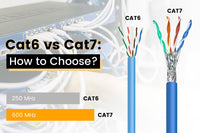
Not all Ethernet cables are the same. If you want the best performance, look for Cat6 or Cat7 cables. These support higher speeds and better shielding against interference.
Using an old or cheap cable can bottleneck your connection, even if your internet plan is fast. I once switched from a Cat5 cable to a Cat6 and instantly noticed smoother gameplay and fewer disconnects.
- Cat5e:Adequate for speeds up to 1 Gbps, but not ideal for future-proofing.
- Cat6:Supports up to 10 Gbps over short distances and reduces interference.
- Cat7:Offers the best shielding and speeds, great for serious gamers.
Also, keep your cable length reasonable—long cables can degrade signal quality. Try to keep it under 50 feet if possible.
Network Configuration Tips
Even with the right cable, your network setup plays a big role in performance. Assign a static IP to your gaming device to avoid connection drops caused by changing IPs.
Enable Quality of Service (QoS) settings on your router. This prioritizes gaming traffic over other devices in your home, reducing lag during crucial moments.
- Check for firmware updates on your router to ensure optimal performance and security.
- Disable unused devices or background apps that might consume bandwidth during gaming sessions.
- Consider using a dedicated gaming port on your router if available.
Have you ever experienced lag spikes even with a wired connection? Tweaking these settings might be the fix you need.
Credit: www.vcelink.com
When Wireless Might Suffice
Wireless connections have improved a lot over the years. They can offer enough speed and stability for many gamers. Not every gaming setup needs a wired connection to perform well. Understanding when wireless might suffice helps in choosing the right setup.
Modern Wi-fi Standards
New Wi-Fi standards like Wi-Fi 6 and Wi-Fi 6E provide faster speeds and lower latency. These standards reduce interference and support more devices at once. They help wireless connections stay stable during intense gaming sessions.
Many routers now support these standards, making wireless gaming smoother. The range and signal strength have also improved. This means fewer dropouts and better overall performance for gamers.
Convenience Vs Performance
Wireless offers great convenience. No cables mean easier setup and more freedom to move. This suits casual gamers or those with limited space.
Wired connections often offer the best performance, but wireless can be enough for many players. If your internet is strong and your router is modern, wireless may meet your needs. The choice depends on your gaming style and environment.
Testing And Measuring Connection Quality
Testing and measuring connection quality is essential for gamers aiming for the best experience. A stable and fast connection reduces lag, frame drops, and disconnections. Knowing how to check your network helps identify if wired or wireless setups perform better.
Several tools and methods exist to test key factors like speed, latency, and packet loss. These factors directly affect gameplay smoothness and responsiveness. Regular testing keeps your setup optimized and highlights issues early.
Speed Tests For Gaming
Speed tests measure how fast data moves between your device and the internet. Download and upload speeds matter for game updates and online play.
- Choose a reliable speed test website or app.
- Run tests multiple times at different hours.
- Compare results between wired and wireless connections.
Wired connections usually provide more consistent speeds. Wireless can vary due to distance and interference.
Monitoring Latency And Packet Loss
Latency is the delay before data reaches its destination. Packet loss happens when some data fails to arrive. Both cause lag and stuttering in games.
- Use ping tests to check latency to gaming servers.
- Track packet loss with network monitoring tools.
- Test during actual gameplay for accurate results.
Wired networks often have lower latency and minimal packet loss. Wireless networks may suffer from interference and signal drops.
Frequently Asked Questions
Does Wired Connection Reduce Gaming Latency?
Yes, wired connections offer lower latency than Wi-Fi. They provide a stable and fast data transfer, reducing lag in online gaming significantly.
Is Wired Internet Faster For Online Gaming?
Wired internet generally provides faster and more consistent speeds, which improves game loading times and reduces interruptions during gameplay.
Can Wired Connection Improve Gaming Stability?
Absolutely, wired connections minimize interference and signal drops, ensuring a stable gaming experience without unexpected disconnects or performance drops.
Does Wired Connection Affect Multiplayer Gaming Performance?
Yes, a wired connection enhances multiplayer gaming by reducing packet loss and improving synchronization between players, resulting in smoother gameplay.
Conclusion
Wired connections offer a steady and fast internet link for gaming. They reduce lag and keep your game smooth. Wireless signals can drop or slow down sometimes. For serious gamers, a wired setup often feels more reliable. It helps avoid interruptions during intense moments.
Choosing the right connection depends on your needs and setup. Try both to see what works best for you. Simple steps can improve your gaming experience a lot. Wired connections remain a strong choice for steady play.