Are you tired of lag ruining your gaming sessions? You might be wondering if your current router is holding you back.
When it comes to gaming, not all routers are created equal. A gaming router and a normal router might look similar, but they work very differently to handle your online experience. Understanding these differences can make a huge impact on your gameplay and overall internet performance.
Keep reading to discover how choosing the right router can level up your gaming and keep your connection smooth and fast.
Gaming Router Basics
Understanding the basics of a gaming router helps you see why it stands apart from a regular router. These devices are built to support heavy data loads and deliver fast, reliable connections, which is essential for online gaming. Let’s break down what makes a gaming router unique and how it handles your gaming needs.
Core Functions
At its core, a gaming router manages data traffic but prioritizes gaming packets to reduce lag and latency. It often includes features like Quality of Service (QoS) settings that let you prioritize bandwidth for your gaming devices. This means your game data gets through faster, even if others are streaming or downloading on the same network.
Many gaming routers also support multiple high-speed bands, allowing your devices to connect on the best frequency available. Have you ever noticed a sudden drop in game performance when someone else in the house starts a video call? Gaming routers help prevent that by smartly allocating resources.
Design And Build
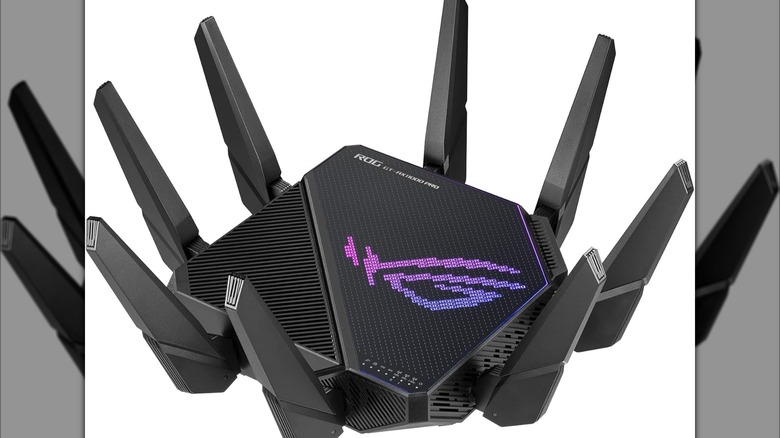
Gaming routers usually have a more aggressive and robust design compared to normal routers. They often come with external antennas to boost signal strength and improve coverage across larger spaces. This is handy if you play in a room far from your internet source.
Besides the look, the build quality tends to be more durable with better heat dissipation. This means they can handle longer gaming sessions without overheating, which keeps your connection stable. Have you ever experienced a router that slows down after a few hours? That’s less likely with a gaming router.

Credit: www.ign.com
Normal Router Essentials
Understanding the essentials of a normal router is key to recognizing how it fits into your daily internet use. Normal routers are designed to provide reliable connectivity for everyday tasks like browsing, streaming, and working from home. They focus on simplicity and broad compatibility rather than specialized performance.
Primary Uses
Normal routers are built to handle multiple devices in a household or small office. They are perfect for activities such as:
- Browsing websites and social media
- Streaming videos and music on platforms like Netflix or Spotify
- Conducting video calls for work or family
- Downloading files and sending emails
Think about how often you stream a movie or join a video call. A normal router is designed to support these without much hassle. But have you noticed if your connection slows down when many devices connect at once?
Common Features
Most normal routers come with essential features to keep your network stable and secure. These include:
- Dual-band frequency:Supports both 2.4 GHz and 5 GHz bands to balance range and speed.
- Basic security:WPA2 or WPA3 encryption to protect your network from unauthorized access.
- Multiple Ethernet ports:Allows you to connect wired devices for more stable performance.
- Simple setup:User-friendly interfaces and mobile apps to help you get started quickly.
While these features meet everyday needs, they usually lack advanced controls like traffic prioritization. Have you ever wished your video call wouldn’t drop when someone else starts a big download? That’s where gaming routers often step in, but normal routers keep things straightforward and easy for most users.
Performance Comparison
Comparing the performance of gaming routers and normal routers reveals key differences. These differences affect speed, latency, and how bandwidth is managed. Understanding these factors helps in choosing the right router for your needs.
Speed And Latency
Gaming routers prioritize speed and low latency. They use advanced hardware to handle faster data rates. This reduces lag during online games.
Normal routers offer decent speed but may struggle with high-demand tasks. Latency can be higher, causing delays in real-time activities.
Bandwidth Management
Gaming routers have features to manage bandwidth efficiently. They allocate more bandwidth to gaming devices automatically. This keeps gameplay smooth even when many devices connect.
Normal routers share bandwidth equally among devices. This can cause slowdowns if multiple devices use the internet heavily at once.

Credit: dongknows.com
Advanced Features In Gaming Routers
Gaming routers offer specialized features designed to enhance online gaming. These advanced features aim to reduce lag and boost performance. Let’s explore some key features that set gaming routers apart.
Quality Of Service (qos)
Quality of Service (QoS) is crucial in gaming routers. It manages network traffic to prioritize gaming data. This reduces latency and ensures a smoother gaming experience. With QoS, users can allocate bandwidth for gaming, streaming, and other tasks. This ensures that gaming traffic gets the highest priority.
Gaming Prioritization
Gaming prioritization is a standout feature in gaming routers. It identifies gaming devices on the network and allocates resources to them. This minimizes interruptions and maintains a stable connection. With gaming prioritization, lag and buffering become less of an issue. Gamers enjoy uninterrupted sessions with low ping times.
Custom Firmware Options
Custom firmware options offer flexibility and control. Gaming routers often support custom firmware like DD-WRT or Tomato. These provide advanced settings and features not found in standard routers. Users can tweak settings to optimize their gaming experience. Custom firmware also enhances security and network management.
Security Differences
Security is a major factor that separates gaming routers from normal routers. Gaming routers often provide stronger protection to keep your network safe during online play. They include advanced features that help prevent attacks and control access more effectively. Normal routers offer basic security, which might not be enough for heavy gamers or large households.
Firewall Capabilities
Gaming routers come with robust firewalls that block harmful traffic more efficiently. These firewalls can detect and stop suspicious activities faster than normal routers. They often include customizable settings to allow certain games or apps to communicate freely without compromising security. Normal routers usually have simple firewalls that only cover basic threats.
Parental Controls
Gaming routers offer advanced parental controls to manage internet use more precisely. Parents can set time limits, block harmful sites, and control which devices access the internet. These controls help keep kids safe while gaming or browsing online. Normal routers typically have fewer parental options and less control over internet access.
Price And Value
Understanding the price and value of gaming routers versus normal routers is crucial before making a purchase. Both types serve the core function of connecting your devices to the internet, but their cost difference often raises the question: are the extra features worth the higher price? Let’s break down what you get for your money and help you decide if upgrading is the right move for your needs.
Cost Analysis
Gaming routers generally come with a higher price tag compared to normal routers. You might find a standard router priced between $40 and $100, while gaming routers often start around $150 and can go up to $400 or more.
What drives this cost difference? Gaming routers include specialized hardware like faster processors and more antennas, plus software features such as Quality of Service (QoS) prioritization and gaming-specific optimizations. These extras aim to reduce lag and improve connection stability during intense online gameplay.
That said, if your internet speed is modest or you mainly use your connection for browsing and streaming, a gaming router’s benefits might be less noticeable. It’s important to evaluate your current network setup and usage before spending extra.
Is It Worth Upgrading?
Ask yourself: Do you experience frequent lag, dropped connections, or network congestion during your gaming sessions? If yes, investing in a gaming router can provide smoother gameplay and better overall performance.
On the other hand, if your gaming is casual or you only have a few devices connected, a normal router might serve you just fine without the higher cost. You could instead allocate your budget to faster internet plans or better gaming peripherals, which might have a more noticeable impact.
Think about your priorities. Are you looking for peak performance and customization, or just a stable connection for everyday use? Your answer will guide whether the gaming router’s advanced features justify the investment.
Choosing The Right Router
Choosing the right router can make a significant difference in your online experience, especially if gaming is part of your routine. Not all routers are built the same, and understanding your specific needs and environment can guide you to the best choice. Let’s break down how you can decide between a gaming router and a normal router based on your unique situation.
User Needs
Think about what you use the internet for the most. If you play fast-paced multiplayer games, a gaming router can reduce lag and improve connection stability. These routers often come with features like Quality of Service (QoS) that prioritize gaming traffic, ensuring smoother gameplay.
On the other hand, if your internet use is mostly browsing, streaming, or working from home, a normal router might be sufficient. It can handle multiple devices and general online activities without the extra cost of gaming-specific features. Ask yourself: do you really need ultra-low latency, or is a steady connection enough?
Environment Considerations
Your home’s size and layout matter when picking a router. Larger spaces or homes with many walls can weaken Wi-Fi signals, making a router with strong range or mesh capabilities more important. Gaming routers often have stronger antennas and better signal handling, which can help in these situations.
Also, consider how many devices connect to your network simultaneously. If you have a busy household with phones, laptops, smart TVs, and gaming consoles all online at once, a router designed for high traffic can prevent slowdowns. Would a router that manages multiple connections better improve your daily internet use?
Credit: www.slashgear.com
Frequently Asked Questions
What Makes A Gaming Router Different From A Normal Router?
A gaming router prioritizes gaming traffic for low latency and stable connections. Normal routers handle general internet needs without specialized features. Gaming routers often include advanced QoS, faster processors, and better antennas to reduce lag and improve gaming performance.
Are Gaming Routers Faster Than Normal Routers?
Gaming routers can offer faster speeds due to better hardware and optimized traffic management. However, actual speed depends on your internet plan and network setup. Normal routers may not prioritize speed for gaming but perform well for everyday use.
Do Gaming Routers Improve Online Gaming Performance?
Yes, gaming routers reduce lag and packet loss by prioritizing gaming data. They also minimize interruptions from other devices on the network. This leads to smoother gameplay and better responsiveness during online gaming sessions.
Can Normal Routers Support Gaming Adequately?
Normal routers can support casual gaming but may struggle with latency and traffic prioritization. For competitive gaming, a gaming router is preferable. Normal routers lack advanced features that optimize gaming traffic efficiently.
Conclusion
Gaming routers offer faster speeds and lower lag for smooth gameplay. Normal routers work well for everyday internet tasks like browsing and streaming. Choosing the right router depends on your internet use and budget. Gamers benefit from features like QoS and better hardware.
Casual users may not need these extras. Understanding these differences helps you make a smart choice. Pick a router that fits your needs and improves your online experience. Simple and clear—no need to overthink it.