Are you wondering if a budget router can support multiple TVs in your home? You’re not alone.
Many people face slow streaming, buffering, and dropped connections when trying to watch shows on several screens at once. The good news is, you don’t always have to spend a fortune to get reliable Wi-Fi for all your devices. But how much can a cheap router really handle?
Keep reading to find out what factors matter most and how you can make your network work better for your entire family.

Credit: www.popularmechanics.com
Budget Router Basics
Budget routers are often the first choice for many households looking to connect multiple devices without breaking the bank. They promise basic wireless connectivity and simple setup, but how well can they manage multiple TVs streaming at once? Understanding what these routers offer can help you decide if they fit your home’s entertainment needs.
Key Features To Expect
Most budget routers come with standard features that cover everyday internet use. You’ll typically find:
- Dual-band Wi-Fi(2.4 GHz and 5 GHz) to help manage traffic and reduce interference.
- Basic security optionslike WPA2 encryption to keep your network safe.
- Simple setup interfacesthat don’t require advanced technical skills.
- Limited number of Ethernet ports, usually between 2 to 4, for wired connections.
These features work well for general browsing, video calls, and casual streaming.
Common Limitations
However, budget routers come with some trade-offs that can affect performance when multiple TVs are involved. You may notice:
- Lower maximum speeds, which can bottleneck high-definition streaming on several devices.
- Limited simultaneous connections, causing slowdowns or buffering when many devices are active.
- Basic Quality of Service (QoS)settings, which may not prioritize streaming traffic effectively.
- Shorter Wi-Fi rangemaking it harder to reach distant rooms without signal drops.
If you’ve ever experienced freezing or lag during a movie night, your router’s limits might be to blame. Do you find your streams buffering when several TVs are on at once? That’s a clear sign to evaluate your router’s capacity.
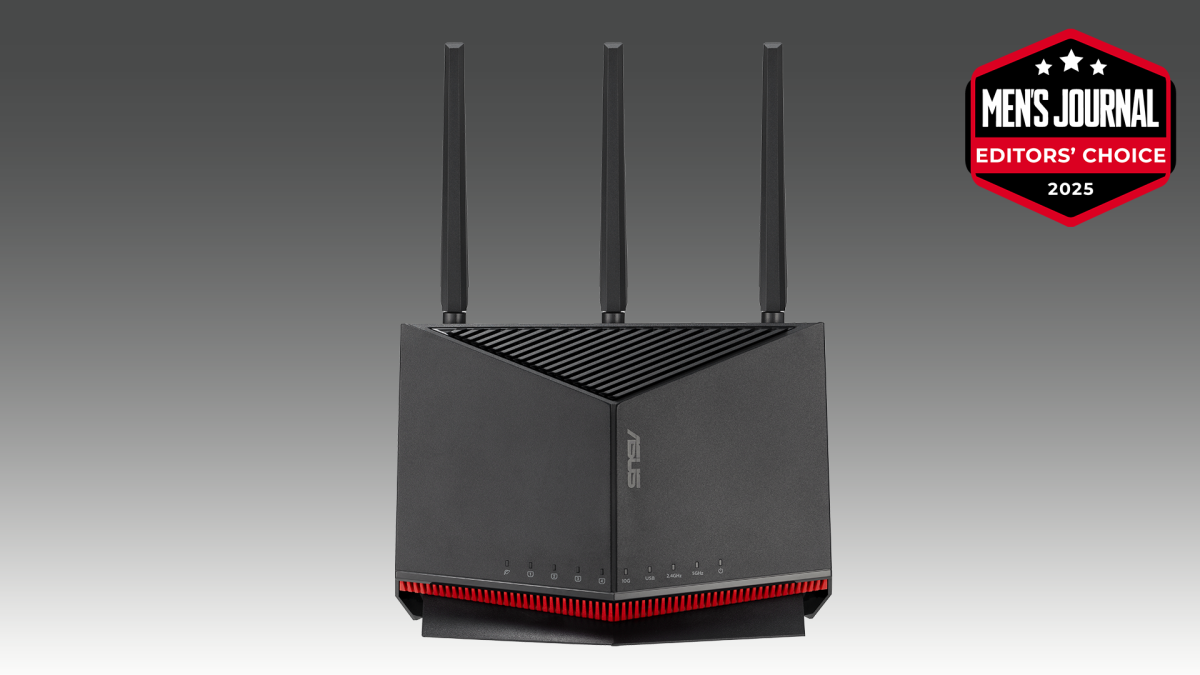
Credit: www.mensjournal.com
Multiple Tv Streaming Demands
Streaming on multiple TVs at the same time places real pressure on your home network. Each TV competes for bandwidth, which can slow down your internet and cause buffering or lag. Understanding what your streaming demands mean for your router is key to avoiding frustration during your favorite shows or movie nights.
Bandwidth Requirements
Every stream requires a certain amount of bandwidth, which adds up quickly when several TVs are connected. For example, a single HD stream might need around 5 Mbps, while 4K can demand 15-25 Mbps or more. If you have three TVs streaming simultaneously, you might need at least 45-75 Mbps just for smooth playback.
Budget routers often have limited bandwidth management and slower maximum speeds. This means even if your internet plan provides enough speed, your router might struggle to handle multiple streams without interruption. Have you noticed your video freezing or lagging when several devices are active? That’s usually a bandwidth bottleneck.
Impact Of 4k And Hd Content
4K streaming significantly increases the load on your router compared to HD. It requires more data to be transferred continuously, which can overwhelm budget routers with weaker processors and fewer antennas. This can cause buffering, especially if multiple 4K streams run at the same time.
HD content is easier to handle but still adds up when multiple TVs are involved. If your household mostly watches HD, a budget router might hold up better, but 4K content pushes the limits. Consider how many 4K streams you expect before choosing your router—it makes a big difference.
Have you tested your current setup with different streaming qualities? Sometimes switching from 4K to HD on a few TVs can improve your experience without costly upgrades. But if you want the best quality on all screens, investing in a router designed for heavy streaming is worth thinking about.
Testing Setup And Methodology
Understanding whether budget routers can efficiently support multiple TVs requires a clear and precise testing setup. The goal was to simulate real-life home streaming conditions while keeping the process straightforward and repeatable. Here’s how the testing environment was created and what key elements were measured to assess router performance.
Router Models Selected
We chose three popular budget routers, each priced under $50, to see how they handle multiple streaming devices. These included:
- TP-Link Archer A6:Known for decent range and dual-band support.
- NETGEAR R6080:A common choice for budget-conscious users.
- D-Link DIR-842:Offers a balance of speed and coverage on a budget.
All routers were updated to their latest firmware versions to ensure optimal performance.
Tvs And Streaming Services Used
We connected three smart TVs to each router to represent a typical household setup. The TVs streamed content simultaneously to test the router’s ability to manage multiple high-demand devices.
- Samsung QLED 4K TV streaming Netflix in 4K quality
- LG OLED TV playing YouTube videos in HD
- Vizio Smart TV accessing Disney+ in Full HD
This combination covered different streaming platforms and video quality levels, reflecting everyday usage scenarios you might face.
Performance Metrics Tracked
To get a full picture of each router’s capability, we tracked several key metrics:
| Metric | Why It Matters | How We Measured |
|---|---|---|
| Buffering Frequency | Indicates streaming smoothness | Logged interruptions during 1-hour streaming sessions |
| Connection Stability | Shows how consistently devices stay connected | Monitored signal drops and reconnections |
| Speed Consistency | Reflects download speeds under load | Used speed tests during simultaneous streaming |
Tracking these metrics gave us insight into how well budget routers can maintain quality streaming for multiple TVs.

Credit: cybernews.com
Performance Results
Testing budget routers with several TVs reveals key insights about their performance. Understanding how these routers handle multiple devices helps set realistic expectations. The results focus on connection stability, streaming quality, and latency issues.
Connection Stability
Budget routers often struggle to keep a steady connection with many devices. Dropped connections can happen when several TVs connect at once. Signal strength may weaken in different rooms, causing interruptions. Some budget models handle a few TVs well but show strain beyond three or four devices. This instability affects smooth streaming and overall user experience.
Streaming Quality
Streaming quality depends on the router’s bandwidth and processing power. Budget routers might deliver lower video resolutions on multiple TVs. Videos may downgrade from HD to SD to save bandwidth. Buffering during high traffic times is common. This drop in quality frustrates users watching live shows or movies. Higher-end routers better maintain consistent streaming quality across many TVs.
Latency And Buffering Issues
Latency grows as more TVs connect to a budget router. Delays in loading videos or apps become noticeable. Buffering pauses disrupt viewing and cause annoyance. Online gaming or video calls on connected devices may lag or freeze. Budget routers often lack advanced features to reduce latency. This makes them less suitable for households with many high-demand devices.
Troubleshooting Common Issues
Dealing with multiple TVs on a budget router can sometimes lead to frustrating issues. Knowing how to troubleshoot common problems helps you keep your streaming smooth and your devices connected. Let’s break down some frequent hurdles and how you can handle them effectively.
Signal Interference
Signal interference often causes weak or unstable connections. Other wireless devices like cordless phones, microwaves, or even neighboring Wi-Fi networks can disrupt your router’s signal.
Try moving your router to a central, elevated spot away from appliances. Changing your router’s channel settings can also reduce interference—many budget routers allow you to switch between 2.4 GHz and 5 GHz bands. Have you noticed your streaming quality improves when you shift your router just a few feet?
Network Congestion
Network congestion happens when too many devices compete for limited bandwidth. Budget routers may struggle to prioritize traffic when several TVs stream high-definition content simultaneously.
You can manage this by limiting background downloads and pausing automatic updates during peak streaming times. Some routers let you set Quality of Service (QoS) rules to prioritize video streaming. Can you identify which devices use the most bandwidth in your home?
Firmware Updates
Outdated firmware can cause performance issues and security vulnerabilities. Budget routers don’t always update automatically, which means you might miss important improvements.
Check your router’s settings regularly for firmware updates and install them promptly. Keeping your router updated can fix bugs and enhance stability, often without needing new hardware. When was the last time you checked your router’s firmware?
Tips To Optimize Budget Routers
Budget routers can support multiple TVs but might slow down with heavy use. Prioritize connecting essential devices and keep firmware updated for better performance. Choosing the right channel and placing the router centrally helps improve signal strength.
Optimizing your budget router can make a significant difference in handling multiple TVs streaming simultaneously. It’s not just about the price of the router, but how you maximize its potential. Here are some actionable tips to ensure your budget router delivers the best performance.Placement And Antenna Positioning
The router’s position can greatly influence its performance. Place your router in a central location to ensure even coverage throughout your home. Elevate it off the floor and avoid placing it near metal objects or thick walls, which can obstruct the signal. Consider the antennas. Angle them differently to cover more area. If your router has adjustable antennas, experiment with their positions to find the best signal distribution for your space.Channel Selection
Congestion can slow down your network. Most routers default to the same channels, leading to interference, especially in densely populated areas. Access your router settings and switch to a less crowded channel. Tools like Wi-Fi Analyzer apps can help identify which channels are overloaded. Switching to a less busy channel can improve your streaming experience significantly.Quality Of Service Settings
Quality of Service (QoS) settings allow you to prioritize certain devices or types of traffic. This means you can ensure your TVs get the bandwidth they need for smooth streaming. Access your router’s settings and look for QoS options. Prioritize streaming devices over others, like gaming consoles or computers, especially during peak usage times. This adjustment can lead to a smoother viewing experience without annoying buffering.When To Upgrade Your Router
Knowing when to upgrade your router can save you from constant buffering and slow internet speeds, especially if multiple TVs are connected in your home. Your router’s performance directly impacts your streaming experience, so it’s important to recognize when your current device can’t keep up. Upgrading at the right time ensures smooth streaming and better overall network reliability.
Signs Of Insufficient Performance
Are your shows constantly pausing or loading? This might be the first clear sign that your router is struggling. If multiple TVs in your home start competing for bandwidth, you may notice:
- Frequent buffering or dropped connections during streaming
- Slow internet speeds despite a high-speed plan
- Inability to connect all devices at once without lag
- Wi-Fi dead zones appearing in certain rooms
Sometimes, even simple tasks like video calls or online gaming become frustratingly choppy. If you find yourself resetting your router multiple times a day, it’s a sign that your device is overwhelmed.
Features To Look For In New Routers
Upgrading your router means choosing one that can handle your household’s demand. Look for these key features to improve performance across multiple TVs:
- Dual-band or Tri-band support:These provide more channels and reduce interference, offering better speeds for several devices.
- MU-MIMO technology:Allows your router to communicate with multiple devices simultaneously, cutting down wait times.
- Quality of Service (QoS):Lets you prioritize streaming traffic to TVs, ensuring smooth video playback even with other devices connected.
- Higher speed standards:Routers supporting Wi-Fi 5 (802.11ac) or Wi-Fi 6 (802.11ax) offer faster and more reliable connections.
Think about the size of your home too. If your router can’t cover all rooms, consider mesh systems that expand coverage without losing speed. Have you checked if your current router offers these features? If not, it might be time to invest in one that truly meets your streaming needs.
Frequently Asked Questions
Can Budget Routers Support Multiple Tvs Simultaneously?
Yes, many budget routers can support multiple TVs. However, performance depends on router speed, bandwidth, and network traffic. Basic models may struggle with high-definition streaming on several devices at once.
How Many Tvs Can A Budget Router Handle?
Budget routers typically handle 3 to 5 TVs comfortably. Exceeding this can cause slower speeds and buffering issues during streaming or gaming sessions.
Will Streaming Quality Drop With Multiple Tvs On Budget Routers?
Streaming quality may drop if multiple TVs use bandwidth-heavy apps simultaneously. Budget routers have limited capacity, which can cause buffering or lower resolution.
What Router Features Help With Multiple Tv Connections?
Look for routers with dual-band Wi-Fi, Quality of Service (QoS), and sufficient speed ratings. These features prioritize video traffic and improve streaming on multiple TVs.
Conclusion
Budget routers can support multiple TVs, but with limits. They work best for light streaming and casual use. Heavy streaming or gaming might cause slow speeds or buffering. Consider the number of devices and internet speed when choosing a router.
Sometimes, spending a bit more on a stronger router helps. Testing your setup can show if your router meets your needs. Simple routers fit small homes, but bigger homes may need better models. Choose wisely to keep your TV streaming smooth and reliable.