Are you worried that your budget router might be putting your home network at risk? You’re not alone.
Many people choose affordable routers to save money but wonder if these devices can keep their personal information safe. What if the router you trusted to connect your devices is actually making you vulnerable to hackers? You’ll discover the truth about budget routers and security.
By the end, you’ll know exactly what to look for to protect your digital life without breaking the bank. Keep reading—your safety online depends on it.
Security Challenges Of Budget Routers
Budget routers often come with security trade-offs that can leave your network vulnerable. These devices might seem like a great deal, but their security shortcomings can expose your personal data and devices to risks. Understanding these challenges helps you make smarter choices about protecting your home or small office network.
Common Vulnerabilities
Many budget routers have known security flaws that hackers can easily exploit. These include default passwords that users forget to change and open ports that provide unwanted access points. Attackers often scan for routers with outdated or weak defenses, targeting them to gain control or intercept your data.
Have you ever wondered how many devices connect to your router? Unsecured connections can let strangers piggyback on your internet, slowing it down or worse, spying on your activity.
Firmware Limitations
Budget routers typically have limited firmware support. Manufacturers may stop releasing security updates after a short period, leaving your device exposed to new threats. Without regular patches, even small bugs can turn into major security holes.
Sometimes, these routers don’t offer an easy way to update the firmware, or the update process is confusing. This means many users never apply critical fixes. You might be using a device with known vulnerabilities without even realizing it.
Weak Encryption Standards
Encryption protects your data from eavesdroppers, but budget routers often use outdated standards like WEP or WPA. These older encryptions are easier to crack compared to modern WPA3 protocols. Using weak encryption is like leaving your front door unlocked.
Even if your router supports stronger encryption, it might not be enabled by default. Do you know if your router is using the best security settings? Taking a few minutes to check could save you from a costly breach.

Credit: cybernews.com
Risks Posed By Budget Routers
Budget routers often come with hidden risks that affect security and privacy. These devices may save money upfront but can expose users to serious threats. Understanding these risks helps protect your data and network.
Data Breaches And Privacy Concerns
Budget routers usually have weaker security features. They might lack regular software updates or strong encryption. This makes it easier for hackers to access personal information. Data breaches can lead to stolen passwords, financial loss, and identity theft. Privacy concerns rise because these routers may collect and share user data without clear permission.
Exposure To Malware And Hacking
Many budget routers do not have advanced protections against malware. Hackers can exploit vulnerabilities to install harmful software. This malware can control your network or steal sensitive data. Weak default passwords and outdated firmware increase hacking risks. Attackers can use your router to launch attacks on other devices.
Network Performance Issues
Budget routers often have poor hardware and software quality. This leads to slow internet speeds and frequent disconnections. Performance problems frustrate users and reduce productivity. Limited security features may also cause network instability. A weak router can affect all connected devices negatively.
Identifying Safe Budget Routers
Identifying safe budget routers is essential for protecting your home network. Not all affordable routers offer strong security. Some lack critical features that keep hackers out. Knowing what to check helps you pick a reliable device without overspending.
Key Security Features To Look For
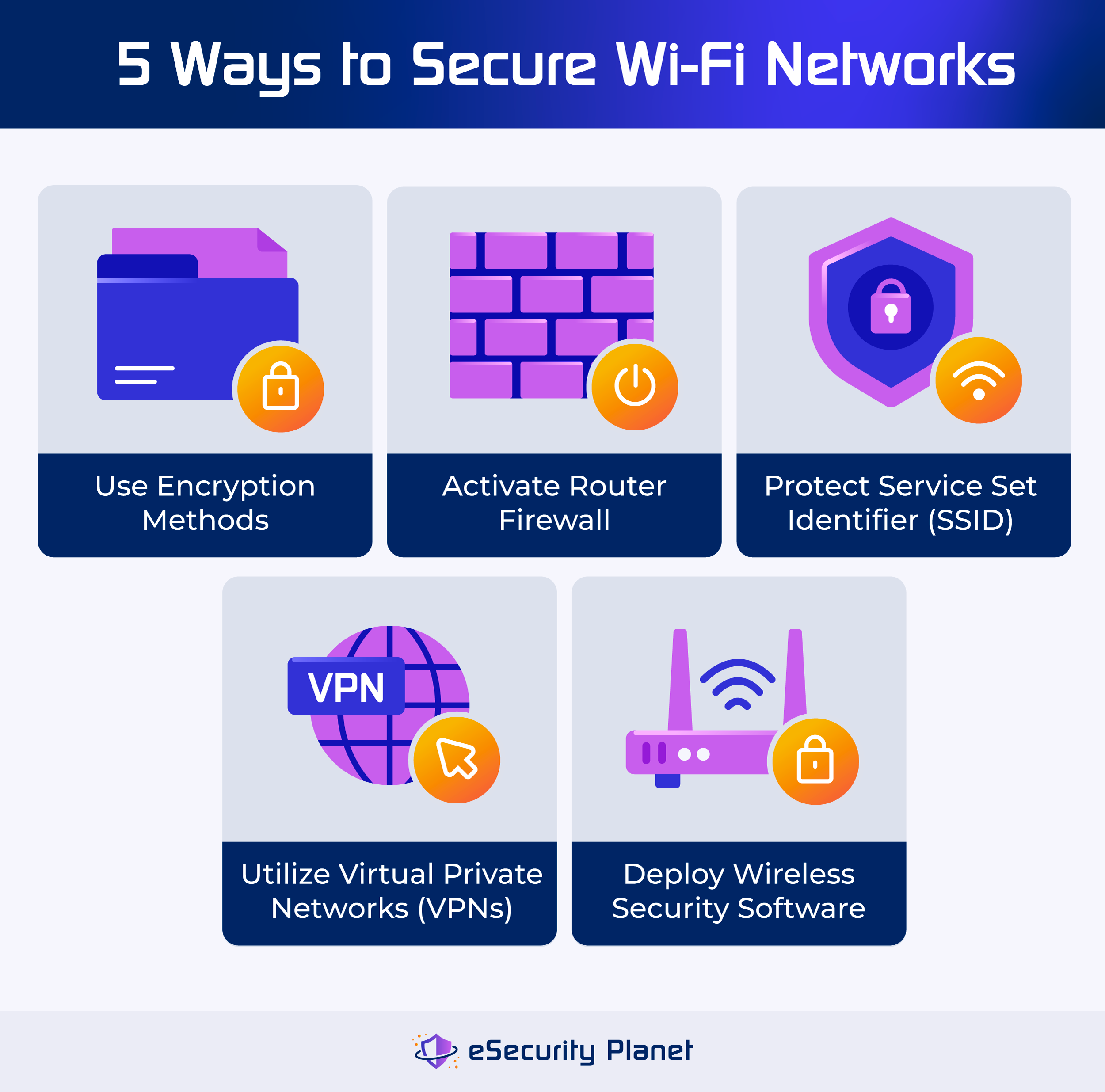
- Strong encryption protocols like WPA3 or WPA2
- Automatic firmware updates to fix vulnerabilities
- Built-in firewall for network protection
- Guest network support to isolate visitors
- VPN compatibility for secure remote access
- Advanced malware or intrusion detection systems
Choose routers with these features to enhance your security. Basic models may lack these protections.
Trusted Brands And Models
Some brands consistently offer safe budget routers. They invest in security and timely updates. Examples include TP-Link, ASUS, and Netgear. These companies provide clear information about security features.
Check product specifications carefully. Look for recent models with good security reputations. Avoid unknown brands with little user feedback.
User Reviews And Security Updates
User reviews reveal real-world router performance and issues. Pay attention to comments about security flaws or update frequency. Frequent firmware updates mean the brand cares about safety.
Visit manufacturer websites to confirm update schedules. A secure router gets regular patches against new threats. This ongoing support is vital for any budget router.
Credit: www.esecurityplanet.com
Enhancing Security On Budget Routers
Budget routers can sometimes raise concerns about security, but you have more control than you might think. Enhancing the security of these devices doesn’t require expensive upgrades; it starts with smart, consistent actions. Let’s look at simple steps you can take to protect your network effectively.
Regular Firmware Updates
Firmware updates are crucial because they fix security holes and improve your router’s performance. Many budget routers come with update options, but they often need manual checks. Make it a habit to visit the router’s admin page regularly and install any available updates.
Ignoring firmware updates is like leaving your front door unlocked. I once skipped updates for months and ended up with a compromised network. Don’t let outdated software be the weak link in your security chain.
Strong Password Practices
Weak passwords are an open invitation to hackers. Use a strong, unique password for your router’s admin panel and Wi-Fi network. Avoid default passwords—they are the easiest target for attackers.
Think about combining letters, numbers, and symbols to create complex passwords. Also, change your passwords periodically. This simple habit can drastically reduce the risk of unauthorized access.
Network Segmentation And Guest Networks
Separating your main devices from guest users can protect sensitive data. Most budget routers allow you to set up a guest network that keeps visitors off your primary network. This limits the exposure of your personal devices to potential threats.
Network segmentation doesn’t have to be complicated. You can also isolate smart home devices, which often have weaker security, from your main network. This way, even if one device is compromised, the rest of your network stays safe.
Alternative Solutions For Secure Networking
Finding secure alternatives for budget routers is essential. Many people wonder if their low-cost routers offer enough protection. Thankfully, there are several ways to boost security without spending too much.
Using Third-party Firmware
Third-party firmware can enhance a router’s security features. It often adds new capabilities and updates. Popular options like DD-WRT or OpenWRT are easy to install. They provide advanced security settings and regular updates. This can transform a basic router into a more secure device.
Investing In Mid-range Routers
Mid-range routers often offer better security than budget ones. They have stronger hardware and receive more frequent updates. This ensures vulnerabilities are patched promptly. Spending a little more can provide peace of mind and enhanced protection.
Supplementing With Security Software
Security software can complement a router’s built-in defenses. Antivirus programs and firewalls add an extra layer of protection. They guard against threats that a router might miss. Using such software can help keep your network safe from cyber-attacks.

Credit: www.yahoo.com
Frequently Asked Questions
Are Budget Routers Less Secure Than Premium Ones?
Budget routers often have fewer security features than premium models. They may lack regular firmware updates, making them more vulnerable to attacks. However, basic security measures like WPA3 encryption are usually present. Proper configuration can still keep a budget router reasonably secure.
Can Budget Routers Receive Timely Security Updates?
Many budget routers receive fewer or delayed security updates. Manufacturers may prioritize premium devices for patches. This lag can expose users to known vulnerabilities. Checking the router’s update policy before purchase is crucial for ongoing security.
How To Improve Security On A Budget Router?
To enhance security, regularly update your router’s firmware. Change default passwords and enable WPA3 encryption if available. Disable remote management and use a strong, unique Wi-Fi password. These steps significantly reduce security risks on budget routers.
Are Budget Routers Vulnerable To Hacking?
Budget routers can be more vulnerable due to limited security features and infrequent updates. Hackers exploit outdated firmware and weak passwords. However, maintaining good security practices helps minimize hacking risks on any router.
Conclusion
Budget routers can offer basic security but may lack advanced features. Regular updates and strong passwords help protect your network. Avoid using default settings that hackers often target. For sensitive information, consider investing in higher-end models. Stay aware of potential risks and act wisely.
Good security depends on how you use your router. Simple steps can keep your connection safer every day.