Are you tired of slow internet and constant buffering in your apartment? You might be wondering if investing in a high-end router can solve these problems.
But do high-end routers really work better in apartments, or is it just a waste of money? If you’ve been searching for a way to boost your Wi-Fi speed and reliability without switching providers, this article is for you. Keep reading to discover how a powerful router could change your internet experience and what you need to know before making the upgrade.
Your online life is about to get a lot smoother.

Credit: www.reddit.com
High-end Routers Explained
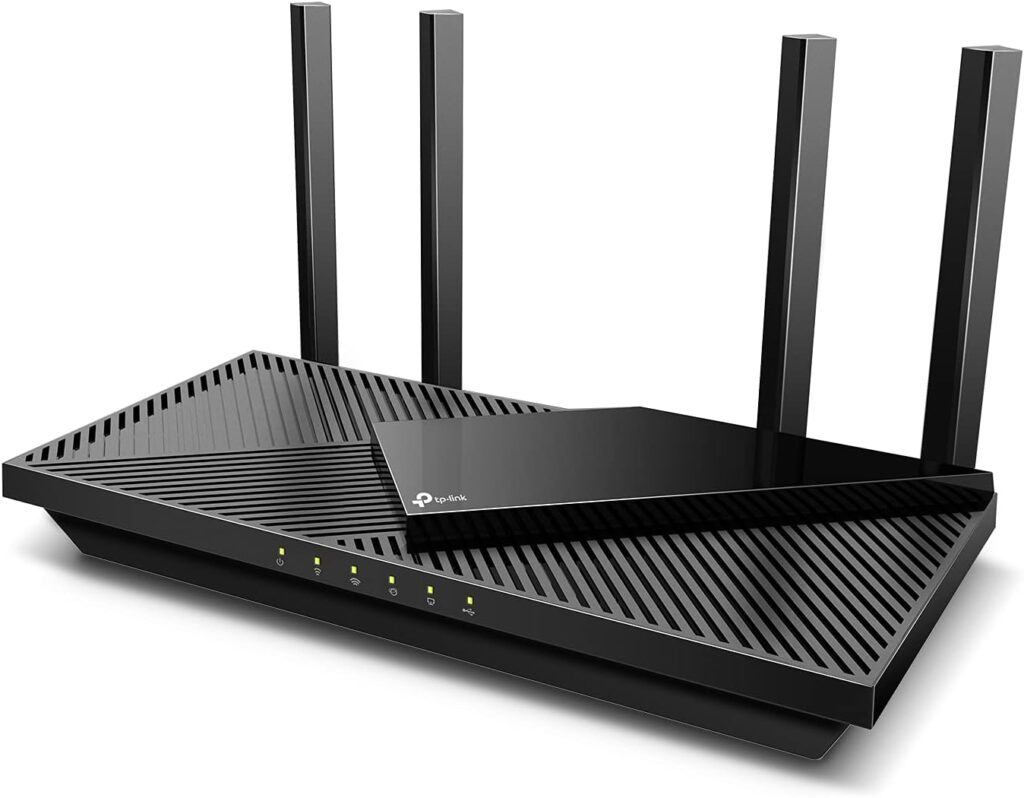
High-end routersoffer faster speeds and stronger signals than standard models. They usually have better rangeto cover large areas. These routers support more devicesat once without slowing down.
Key featuresinclude advanced security options, multiple antennas, and better hardware. Many have easy-to-use apps for setup and control. They often support the latest Wi-Fi standards for improved performance.
| Feature | High-End Routers | Standard Models |
|---|---|---|
| Speed | Up to 10 Gbps | Up to 1 Gbps |
| Range | Wide coverage, multiple antennas | Limited coverage, fewer antennas |
| Device Support | Supports many devices | Supports fewer devices |
| Security | Advanced encryption and controls | Basic security features |
| Setup | Easy app-based setup | Manual or simple setup |
Wi-fi Challenges In Apartments
Apartments often have many devices using the same Wi-Fi channels. This causes signal interferencethat slows down connections. Common sources of interference include:
- Microwavesthat operate near Wi-Fi frequencies
- Bluetooth devicessharing similar bands
- Neighboring Wi-Fi networksoverlapping signals
- Wireless security camerasand baby monitors
Building materials also affect Wi-Fi signals. Thick walls, metal pipes, and concrete floors can block or weaken signals. Apartments with many walls or metal structures often have poorer coverage. Signals pass easily through glass and wood but struggle with brick or metal. Knowing these limits helps in choosing the right router and placement.
Performance Of High-end Routers In Apartments
High-end routerscan provide strong signal strengthin apartments. Walls and floors may reduce coverage. Positioning the router centrally helps. Small apartments often get full coverage easily.
These routers handle many deviceswell. They keep connections stable for phones, laptops, and smart home gadgets. This is good for busy homes with multiple users.
Interference from neighbors’ Wi-Fi or other electronics can cause issues. High-end routers use better technology to reduce interference. Features like dual-bandor tri-bandhelp avoid crowded channels.
Credit: www.highspeedoptions.com
Optimizing Wi-fi With High-end Routers
Placing the router in the center of the apartment helps cover all rooms. Avoid putting it near walls or metal objects that block signals. Higher spots, like shelves, work better than floors.
Mesh systems spread Wi-Fi through several devices. This helps cover large or thick-walled apartments. Extenders boost the signal but may slow speed a bit.
| Setting | Tip |
|---|---|
| Channel | Choose less crowded channels to reduce interference. |
| Frequency | Use 5 GHz for faster speed, 2.4 GHz for longer range. |
| Security | Use WPA3 or WPA2 to keep your network safe. |
| Firmware | Keep router software updated for best performance. |
Alternatives And Complementary Solutions
Wi-Fi extenders and repeatersboost wireless signals in large apartments. They catch the router’s signal and spread it further. This helps reach rooms with weak Wi-Fi. Placement matters; place them halfway between the router and dead zones for best results.
Powerline adaptersuse electrical wiring to carry internet signals. Plug one adapter near the router and the other where you want better internet. This method avoids Wi-Fi interference common in apartments. It offers a steady and fast connection.
| ISP and Plan Factors | Explanation |
|---|---|
| Internet Speed | Choose plans with higher speeds for multiple users and devices. |
| Data Limits | Check if your plan has data caps to avoid slowdowns. |
| ISP Quality | Pick an ISP known for good service and less downtime. |
| Router Compatibility | Ensure your router supports your ISP’s connection type and speed. |
Credit: medium.com
Cost Vs. Benefit Analysis
High-end routers cost more but offer stronger signalsand better speed. In apartments, thick walls and many devices can slow Wi-Fi. A high-end router helps reduce these issues, but the improvement may be limited by the building structure.
Using a high-end router means fewer drops and better coverage in big apartments. For small spaces, a cheaper router might work just fine. The key is to match the router to your actual needsand apartment size.
| Cost | Benefit |
|---|---|
| High | Stronger signal, faster speeds, handles many devices |
| Low | Basic coverage, fewer features, slower speeds |
- Place your router in a central spot, away from walls.
- Use Wi-Fi extenders or mesh systems for bigger coverage.
- Regularly update your router’s software for better performance.
- Reduce interference by keeping devices away from microwaves or cordless phones.
Frequently Asked Questions
Do High-end Routers Improve Wi-fi In Apartments?
Yes, high-end routers boost signal strength and speed in apartments. They handle multiple devices efficiently, reducing interference and dead zones.
Can High-end Routers Overcome Apartment Building Interference?
High-end routers use advanced technologies like beamforming and dual-band to reduce interference from neighboring networks. This improves connection stability.
Are High-end Routers Necessary For Small Apartment Spaces?
Not always. Small apartments may work well with mid-range routers. However, high-end models provide better performance for many devices.
How Do High-end Routers Affect Internet Speed In Apartments?
They optimize bandwidth management and support faster speeds. This results in smoother streaming, gaming, and browsing experiences in apartment settings.
Conclusion
High-end routers can work well in apartments. They offer better connectivity. These routers reduce dead zones, enhancing your internet experience. Their advanced features support multiple devices efficiently. For small spaces, their full potential might be underused. Assess your apartment’s needs before investing.
Consider size, device count, and budget. Sometimes, a mid-range router suffices for smaller spaces. Always choose what suits your lifestyle best. Remember, the right equipment can improve your online activities. Better browsing, streaming, and gaming await with the right choice.
Be mindful and informed for a smart purchase.