Are you struggling with weak WiFi signals in your backyard or outdoor spaces? You might be wondering if an outdoor WiFi extender can solve your problem—and more importantly, if it will work with your current router.
Imagine enjoying strong, reliable internet everywhere around your home, without dead zones or dropped connections. You’ll discover how outdoor WiFi extenders work, whether they are compatible with any router, and what you need to know before making a purchase. Keep reading to unlock the secret to seamless outdoor WiFi coverage!

Credit: simplewifi.com
How Outdoor Wifi Extenders Work
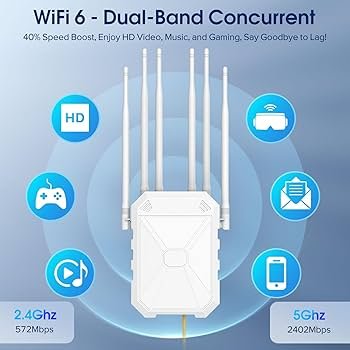
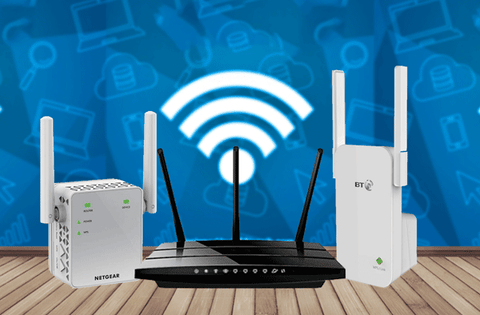
Outdoor WiFi extenders help increase the reach of your wireless signal. They capture the WiFi from your main router and send it further. This helps cover areas far from your home or office.
Signal boostingworks by catching weak WiFi signals and making them stronger. The extender then shares the improved signal to devices outside your usual WiFi range.
| Outdoor Extenders | Indoor Extenders |
|---|---|
| Built to resist weather like rain and sun. | Designed only for use inside buildings. |
| Better for large yards, gardens, or patios. | Best for rooms inside a house or office. |
| Usually have stronger antennas for longer range. | Smaller antennas for shorter distances. |
| Need proper mounting outside for best results. | Plug into wall sockets inside easily. |
Credit: www.signalbooster.com
Compatibility With Routers
Outdoor WiFi extenders usually work with most routers. These extenders copy your router’s signal and make it stronger. They connect to your router either by WiFi or Ethernet cable.
Common router typesinclude:
- DSL routers
- Cable routers
- Fiber optic routers
- Mesh routers
Extenders talk to routers using WiFi signals. They must support the same frequency bandsto work well. Most routers use 2.4 GHz or 5 GHz bands.
| Frequency Band | Works With | Details |
|---|---|---|
| 2.4 GHz | Almost all routers | Longer range, slower speed |
| 5 GHz | Modern routers | Shorter range, faster speed |
Check your router’s band before buying an extender. This avoids connection problems.
Choosing The Right Extender
Outdoor WiFi extendersneed to match your router’s specifications. Check the frequency bandsyour router uses, like 2.4 GHz or 5 GHz. Extenders work best if they support the same bands. Also, look at the WiFi standardsuch as 802.11n or 802.11ac to ensure compatibility.
Range is important. Outdoor extenders must cover the space you need. Large yards or gardens require extenders with longer coverage. Check the extender’s signal rangeto avoid weak spots.
Weatherproof features keep extenders safe outside. Look for models with waterproof and dustproof ratingslike IP65 or IP66. This protects the device from rain, dust, and heat, ensuring it lasts longer.
Setup And Installation Tips
Place the outdoor WiFi extender where it gets a strong signal from your router. Avoid walls or metal objects that block signals. Keep it high and open for best results.
Most outdoor WiFi extenders work with any router brand. Check the extender’s compatibility list before buying. Connect the extender to your router using the app or web setup page. Follow the on-screen instructions for a smooth connection.
Common connection problems include weak signals and wrong passwords. Restart both the router and extender to fix many issues. Move the extender closer to the router if the signal is weak. Make sure the firmware on both devices is up to date.
Performance Factors
Outdoor WiFi extenders face interferencefrom walls, trees, and other objects. These obstacles can weaken the signaland reduce range. Clear line of sight helps the signal travel farther. Avoid placing extenders near metal or thick concrete.
Bandwidth depends on the router’s speedand the extender’s capacity. Extenders usually cut speed by half due to signal rebroadcasting. Using a dual-band extender can improve speed and reduce congestion.
Security is key. Extenders should support the same security protocolsas your router, like WPA2 or WPA3. This keeps your network safe from unauthorized access. Always update firmware to fix vulnerabilities.
Popular Outdoor Wifi Extenders
Outdoor WiFi extenders usually work with most routers, boosting signal range outside your home. Compatibility depends on the extender’s technology and your router’s settings. Choosing the right extender helps improve outdoor internet access easily.
Top Brands And Models
- Netgear Nighthawk EX8000: Known for strong range and easy setup.
- TP-Link RE650: Offers good speed and compatibility.
- Linksys RE7000: Compact design with stable performance.
- Ubiquiti UniFi AC Mesh: Great for larger outdoor areas.
Price Vs Performance
| Model | Price Range | Performance |
|---|---|---|
| Netgear Nighthawk EX8000 | $$$ | Excellent range and speed |
| TP-Link RE650 | $$ | Good speed, reliable connection |
| Linksys RE7000 | $$ | Stable, compact, moderate speed |
| Ubiquiti UniFi AC Mesh | $$$ | Strong outdoor coverage |
User Reviews And Ratings
Users appreciate easy setupand wide coverage. Some mention signal drops in heavy rain. Most extenders work well with many router brands. Compatibility is usually not a big issue. Performance can vary by location and router strength.
Alternatives To Outdoor Extenders
Mesh WiFi systemsuse several devices to spread WiFi evenly. They create one strong network covering large areas. These systems work well for big homes or outdoor spaces. Each device talks to others, so no dead spots happen.
Powerline adaptersuse your home’s electrical wiring to carry internet signals. They plug into outlets and send WiFi to parts of your home with weak signals. This is a simple way to extend coverage without new wires.
Wired access pointsconnect directly to your router with cables. They create new WiFi spots where needed. This method is very reliable and fast but needs some cable work.

Credit: www.youtube.com
Frequently Asked Questions
Do Outdoor Wifi Extenders Work With Any Router?
Yes, most outdoor WiFi extenders are compatible with any router. They typically use universal standards like 802. 11n, 802. 11ac, or 802. 11ax. However, it’s essential to verify compatibility with your specific router model. Always check the extender’s specifications before purchasing to ensure seamless connectivity.
How Do Outdoor Wifi Extenders Connect To Routers?
Outdoor WiFi extenders connect to routers wirelessly or via Ethernet. They pick up the existing WiFi signal from your router and amplify it. This process extends the coverage area, providing a stronger signal in outdoor spaces. Ensure both devices support the same WiFi standards for optimal performance.
Can Outdoor Wifi Extenders Improve Signal Strength?
Yes, outdoor WiFi extenders enhance signal strength by amplifying the router’s signal. They are designed to cover larger areas, including backyards and gardens. By reducing dead zones, they provide a more reliable connection. Proper placement of the extender is crucial for maximizing coverage and performance.
Are Outdoor Wifi Extenders Easy To Install?
Yes, most outdoor WiFi extenders are easy to install. They often come with straightforward instructions and user-friendly interfaces. Typically, you can set them up using a mobile app or web browser. Ensure the extender is within range of your router for optimal setup and performance.
Conclusion
Outdoor WiFi extenders can work with many routers. Most extenders follow common WiFi standards. Check your router’s compatibility before buying an extender. Placement matters; the extender needs a good signal from your router. Simple setup steps help connect the two devices.
Using an outdoor extender can improve your WiFi range outside. It helps reduce dead zones in your yard or garden. Small effort brings better internet access outdoors. Choose wisely and enjoy a stronger WiFi signal outside your home.