Are you tired of losing your WiFi signal just when you need it the most? Whether you’re working in your home office or streaming your favorite show on the patio, a long-range WiFi extender can be a game-changer.
But before you rush to buy one, you might be wondering: Does a long-range WiFi extender require power? This question is crucial for anyone looking to improve their internet coverage without adding more complexity to their setup. Understanding the power requirements can help you make an informed decision and ensure seamless connectivity throughout your space.
Stick with us as we dive into this topic, unraveling the technical aspects in simple terms, so you can enjoy uninterrupted browsing and streaming.
Credit: www.signalbooster.com
How Wifi Extenders Work
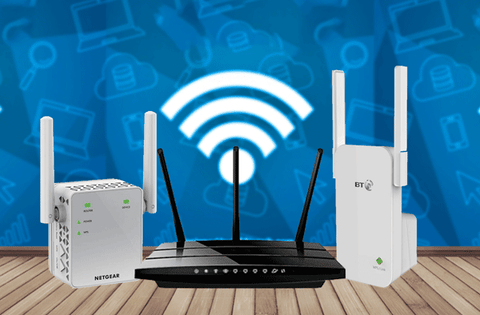
Wifi extenderscatch the wireless signal from your router. They then boost and resendit to areas with weak or no coverage. This helps devices far from the router get better internet.
The extender must be placed where the signal is still strong. This way, it can send a clear signal to farther places. The extender works by receiving, amplifying, and transmittingthe wifi signal.
| Type of Wifi Extender | How It Works | Best Use |
|---|---|---|
| Repeater | Receives and rebroadcasts wifi signal | Small homes or single rooms |
| Mesh Extender | Creates a network with multiple nodes | Large homes or offices |
| Powerline Extender | Uses electrical wiring to send signal | Areas with thick walls |
Credit: www.newegg.com
Power Needs Of Long Range Extenders
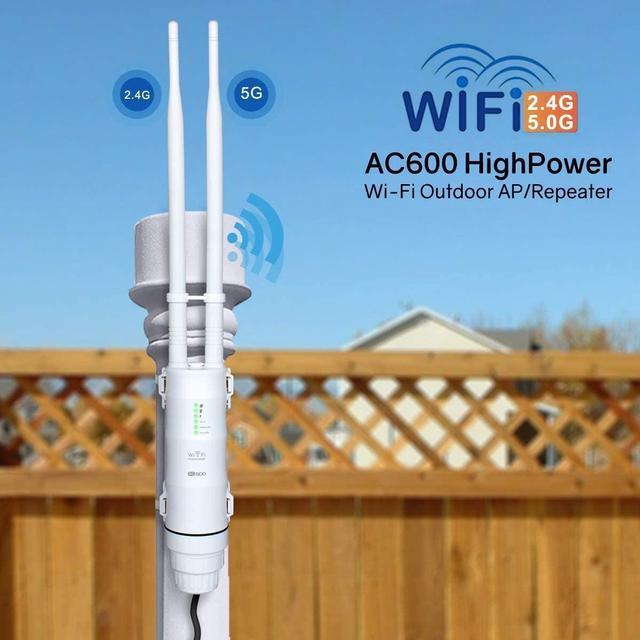
Long range WiFi extenders always need powerto work properly. They cannot function without electricity. Most extenders use wired power sources, such as plugging into a wall outlet. This keeps the extender running steadily and without interruption.
Battery-powered extenders are less common. They offer more freedom of placement but need frequent recharging or battery changes. These are useful in places without easy access to power sockets but may not work for long periods.
| Power Type | Description | Pros | Cons |
|---|---|---|---|
| Wired Power | Plug into electrical outlet | Stable power supply, continuous use | Limited placement by power outlets |
| Battery-Powered | Runs on rechargeable or replaceable batteries | Flexible placement, no cords | Needs frequent charging, limited runtime |
Placement And Installation Tips
Placing a long range wifi extender in the right spot is key for strong signal. Choose a location halfway between your router and the area with weak wifi. Avoid walls or large metal objects that can block the signal.
Keep the extender near a power outlet, as most require constant powerto work. Avoid placing it too far from the router, or the signal might be too weak to extend.
- Do not hide the extender in a cabinet or behind furniture.
- Place it in an open, elevated area for better coverage.
- Avoid placing near microwaves or cordless phones which cause interference.
- Check for firmware updates after installation for best performance.
Comparing Extenders To Mesh Systems
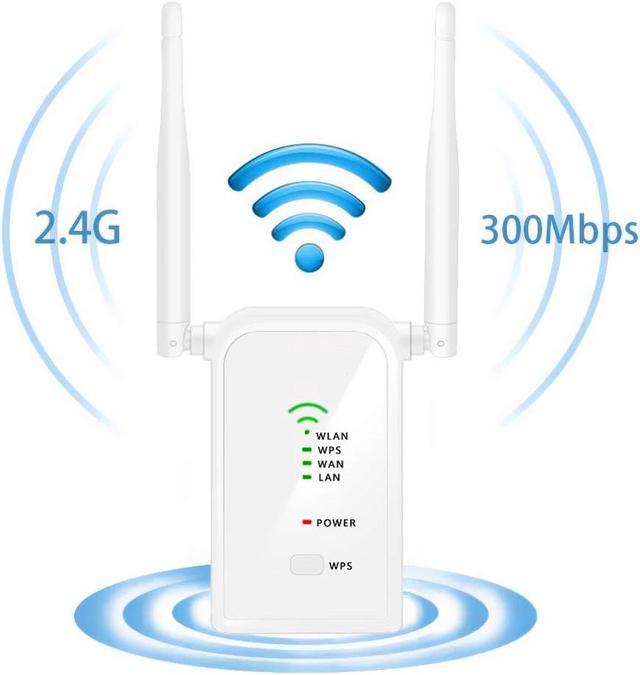
Long range WiFi extendersneed power to work. They plug into a wall outlet or USB port. Mesh systemsalso need power but use multiple units to cover bigger areas.
Power usediffers between the two. Extenders use less power since they are one device. Mesh systems use more power because of several units working together.
| Feature | Long Range Extender | Mesh System |
|---|---|---|
| Power Consumption | Lower, one device | Higher, multiple devices |
| Coverage | Good for one area | Better for large homes |
| Reliability | Can have weak spots | Stronger, consistent signal |
Energy Efficiency Considerations
Long range WiFi extenders usually need power to work. They plug into an outlet or use USB power. Some models have power saving featuresthat reduce energy use when not in heavy use. These features help lower electricity consumption.
Power saving modes may include:
- Automatic sleep when no devices connect
- Lower power use during low traffic
- Adjusting signal strength to save energy
These features affect electricity billsslightly. Most extenders use less than 10 watts, so the cost is low. Running a WiFi extender all day adds only a small amount to monthly bills.
Credit: www.newegg.com
Troubleshooting Power Issues
Long range WiFi extenders need powerto work. Check if the power cable is properly plugged in. Sometimes, the outlet might be faulty. Try another outlet to see if the extender turns on.
Look for any damageon the power adapter or cable. If the extender has a power button, make sure it is switched on. A blinking or no light can mean power issues.
- Test the power adapter with a different device.
- Reset the extender by unplugging it for 30 seconds.
- Inspect the power port on the extender for dirt or damage.
- Use a surge protector to avoid power spikes.
Frequently Asked Questions
Does A Long Range Wifi Extender Need Power?
Yes, a long range WiFi extender requires power to operate. It needs an electrical source, usually through a power outlet or USB. Without power, the device cannot amplify or transmit the WiFi signal effectively.
Can Wifi Extenders Work Without Plugging Into Power?
No, WiFi extenders cannot work without power. They rely on electricity to boost and repeat your existing WiFi signal. Without power, the extender remains inactive and won’t improve your network coverage.
How Is Power Supplied To Long Range Wifi Extenders?
Power for long range WiFi extenders is typically supplied via a wall outlet or USB port. Some models use Power over Ethernet (PoE), allowing power and data through one cable, simplifying installation and reducing cable clutter.
Does Power Consumption Affect Wifi Extender Performance?
Power consumption directly influences WiFi extender performance. Adequate power ensures stable signal boosting and range extension. Low or unstable power can cause weak signals, frequent disconnections, or device malfunction.
Conclusion
A long range WiFi extender needs power to work properly. It usually plugs into a wall outlet or USB port. Without power, it cannot boost your WiFi signal. This helps you get better internet in hard-to-reach places. Choosing the right extender depends on your home setup.
Knowing it requires power helps you plan where to place it. This way, your WiFi stays strong and reliable throughout your space.