Have you ever wondered if your outdoor WiFi extender is safe during a lightning storm? It’s a question many of us don’t consider until those dark clouds roll in.
You want a seamless internet connection throughout your home and garden, but is it worth the risk when nature’s electricity starts to dance across the sky? Protecting your devices and ensuring your safety is crucial, but what steps should you take?
This article will dive into the facts about outdoor WiFi extenders and lightning, offering you peace of mind and practical solutions. Stay tuned to discover how you can enjoy both a strong internet connection and safety in any weather.
Credit: www.signalbooster.com
Lightning Risks For Outdoor Wifi Extenders
Lightning is a sudden, strong flash of electricity in the sky. It can strike tall objects outdoors. Metal parts on wifi extenders can attract lightning. This can cause damage or complete failure of the device. Outdoor wifi extenders are more at risk than indoor ones.
Wifi extenders have several weak points during lightning storms:
- Exposed antennascan act as lightning rods.
- Power cablesmay carry a surge inside.
- Signal cablescould let electricity flow into the device.
- Housingmight not fully protect against strong electrical surges.
Proper grounding and surge protectors help reduce the risk. Without these, lightning can destroy extenders quickly.
Credit: www.newegg.com
Design Features That Impact Safety
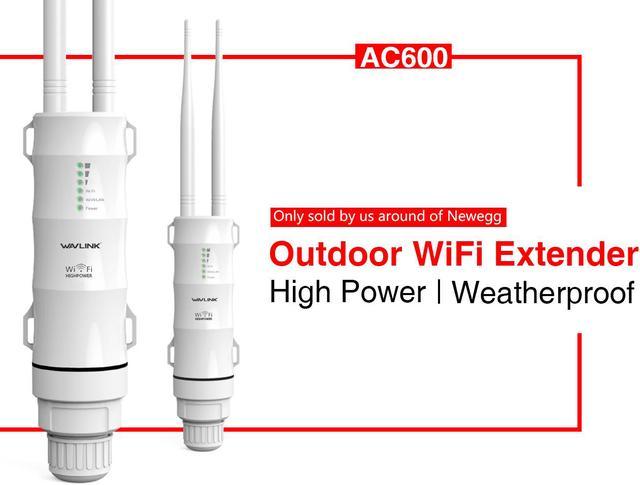
Outdoor wifi extenders must have strong materialsto resist weather and lightning. Devices made with metal casingsoffer better protection than plastic ones. Good build quality means fewer gaps where water or dust can enter. This lowers the risk of electrical shorts during storms.
Groundingis key to safety. Proper grounding directs lightning strikes safely into the earth. Without it, the device can catch fire or be destroyed. Surge protection also helps by blocking sudden voltage spikesfrom lightning. This protects both the extender and connected devices.
| Feature | Impact on Safety |
|---|---|
| Material | Metal casing resists lightning better than plastic |
| Build Quality | Sealed design prevents water and dust damage |
| Grounding | Safely directs lightning to the ground |
| Surge Protection | Blocks voltage spikes to protect devices |
Installation Practices To Reduce Lightning Damage
Choose a location away from tall trees and metal poles. These can attract lightning and cause damage. Place the extender where it gets good signal but is less exposed to open sky. Avoid mounting near gutters or water pipes, as water conducts electricity and raises risk.
Grounding is very important for safety. Connect the extender’s metal parts to a grounding rod firmly planted in the earth. This helps direct lightning safely to the ground. Use thick copper wire for grounding to carry electricity away quickly. Check grounding connections regularly to keep them tight and rust-free.
Protective Devices And Technologies
Surge protectorsguard outdoor WiFi extenders against lightning surges. They stop sudden power spikes from damaging devices. These devices are easy to install and cost-effective. Surge arrestors redirect high voltage to the ground. This protects sensitive electronics from harm.
Lightning rodsattract lightning strikes away from equipment. They provide a safe path for electricity to reach the ground. Shielding options, like metal enclosures, block electrical interference. These solutions help maintain WiFi signal quality during storms.
| Device | Function | Benefit |
|---|---|---|
| Surge Protector | Blocks power spikes | Protects devices from damage |
| Surge Arrestor | Redirects high voltage | Prevents electrical harm |
| Lightning Rod | Attracts lightning | Directs strikes safely to ground |
| Shielding Options | Blocks interference | Keeps WiFi signals stable |
Signs Of Lightning Damage On Wifi Extenders
Physical damageon outdoor WiFi extenders may include cracks, burns, or melted parts. Look for discolorationaround connectors or casing. Broken antennas or loose wires often point to lightning strikes. Moisture inside the device can also cause damage after storms.
Performance issuesmight show up as weak signals or frequent disconnections. The extender may fail to turn on or reboot randomly. Slow internet speed or poor coverage often follows storm damage. Sometimes, settings reset without user input. These problems suggest the device suffered an electrical surge.

Credit: www.amazon.in
Maintenance Tips For Longevity
Check your outdoor WiFi extender often for damage or dirt. Look for loose wires, broken parts, or water entry points. Clean the device gently with a soft cloth to keep it dust-free. A clean extender works better and lasts longer.
Keep the extender’s firmware and software updated. Updates fix bugs and improve security. Visit the manufacturer’s website regularly to download the latest versions. Installing updates helps protect your device from new threats and boosts performance.
Alternative Solutions For Lightning-prone Areas
Indoor WiFi extendersare safer options in lightning-prone areas. They stay inside the house, away from storms. This reduces the risk of damage from lightning strikes. Indoor devices also avoid weather-related wear and tear.
Mesh network systemsoffer another great choice. They use multiple small units spread indoors to cover the whole home. This creates a strong and stable signal without outdoor equipment. Mesh systems also adjust automatically for better coverage.
| Solution | Benefits |
|---|---|
| Indoor WiFi Extenders |
|
| Mesh Network Systems |
|
Frequently Asked Questions
Are Outdoor Wifi Extenders Vulnerable To Lightning Strikes?
Outdoor WiFi extenders can be vulnerable if not properly grounded. Lightning can cause severe damage by surging through cables. Using surge protectors and proper grounding reduces this risk significantly.
How Can I Protect My Outdoor Wifi Extender From Lightning?
Use surge protectors and lightning arrestors on power and data lines. Ensure all equipment is properly grounded. Installing a lightning rod nearby also helps divert strikes safely.
Does Weatherproof Casing Improve Lightning Safety For Extenders?
Weatherproof casing protects against rain and dust but doesn’t prevent lightning damage. Electrical surges require specialized surge protection devices to safeguard equipment.
Is It Safe To Install Outdoor Wifi Extenders During Thunderstorms?
Installing extenders during thunderstorms is risky due to lightning. Wait for clear weather to reduce accident and damage risks. Always follow safety protocols when working outdoors.
Conclusion
Outdoor WiFi extenders can face risks from lightning strikes. Using proper grounding helps protect your devices. Choose extenders designed for outdoor use and weather resistance. Avoid placing them on tall, exposed spots during storms. Lightning can cause serious damage, so take safety steps.
Regularly check your equipment for wear or damage. Stay cautious but enjoy better WiFi coverage outside. Safety and good signal go hand in hand.