Are you struggling to get strong WiFi signals in your backyard or garden? You might be wondering if outdoor WiFi extenders can work with your mesh network to boost coverage.
Imagine enjoying fast, reliable internet no matter where you are on your property—no more dead zones or frustrating slowdowns. You’ll discover how these two technologies can team up, what to watch out for, and the best ways to improve your outdoor WiFi experience.
Keep reading to find out if combining outdoor extenders with your mesh system is the right solution for you.
Credit: edgeup.asus.com
Outdoor Wifi Extenders Basics
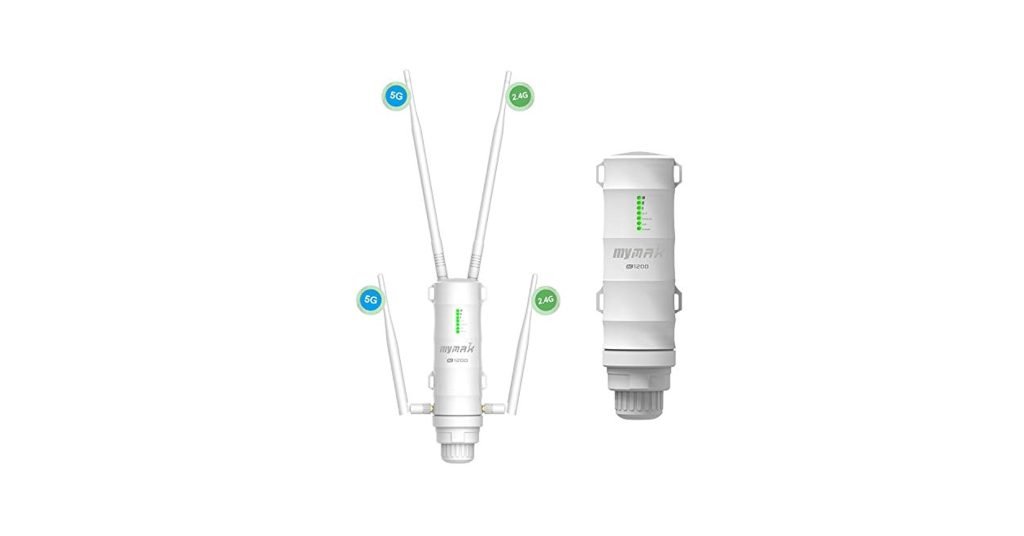
Outdoor WiFi extendersboost your internet signal outside your home. They help cover large yards, gardens, or patios with strong WiFi. These devices catch the wireless signal from your router and send it further, reaching places the main router can’t.
There are different types of outdoor extenders. Some plug into power outlets outside, while others are battery-powered. Certain models have antennas for better range, and some are weatherproof to handle rain and sun.
- Plug-in extenders use existing power sockets.
- Battery-powered extenders can be placed anywhere.
- Antennas improve signal strength and range.
- Weatherproof design protects from rain and dust.
Using outdoor extenders brings many benefits. They expand WiFi coverageto outdoor areas. This helps with streaming, gaming, or working outside. They also reduce dead zoneswhere WiFi is weak or not available. Installation is usually simple, and they work with most routers.

Credit: cybernews.com
Mesh Network Fundamentals
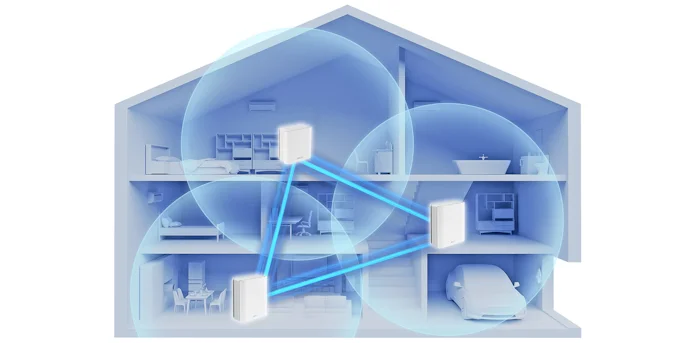
A mesh networkuses several devices called nodesto spread WiFi evenly. Each node talks to others, creating a strong, wide network. This helps cover large spaces without weak spots.
Traditional WiFi uses one router. Signals get weak far from the router. Mesh networks fix this by letting nodes share data. This means better speedand coverage.
| Component | Function |
|---|---|
| Primary Node | Connects to the internet source |
| Secondary Nodes | Extend WiFi coverage to far areas |
| Backhaul | Links nodes for fast data transfer |
Compatibility Between Outdoor Extenders And Mesh
Outdoor WiFi extenders and mesh networks use different technologies. Extenders repeat signals but may cause signal lossand interference. Mesh networks use multiple nodes that work together for seamless coverage.
Extenders might not always work well with mesh nodes. This can create connection dropsor slower speeds. Outdoor extenders must handle weather and distance, adding technical challenges.
| Technical Challenge | Description |
|---|---|
| Signal Interference | Extenders can cause overlapping signals, reducing quality. |
| Compatibility | Not all extenders support mesh protocols. |
| Range Limits | Outdoor extenders must cover large areas but with stable speed. |
- Check if the extender supports the mesh system brand.
- Use extenders designed for outdoor use for better durability.
- Follow manufacturer advice to avoid network conflicts.
- Update firmware regularly for better compatibility.
Setting Up Outdoor Extenders With Mesh
Choosing the right extender is key. Look for one that supports your mesh system’s brand or protocol. Outdoor extenders must be weatherproof and strong enough to cover large areas. Check the frequency bands; dual-band or tri-band extenders work best with mesh networks.
Placement matters a lot. Put the extender where the mesh signal is still strong. Avoid walls, metal objects, or thick trees that block signals. Outdoor extenders should be high up, like on a wall or pole, to get better reach.
Configuration is usually easy. Connect the extender to your mesh network using its app or web interface. Sync it with the main mesh router so devices switch smoothly between nodes. Test the connection outside to ensure good coverage and speed.
Performance And Reliability
Outdoor WiFi extenders can affect speed and reliabilityin a mesh network. Extenders may slow down your connection because they repeat signals. This can cut your speed roughly in half. The farther the extender is from the main router, the slower the speed.
Latencyis the delay before data starts moving. Extenders can add extra delay, which may cause lag in games or video calls. A good mesh system usually manages latency better than simple extenders.
- Check extender placement to avoid weak signals.
- Restart devices to fix connection problems.
- Update firmware regularly for best performance.
- Use the same network name (SSID) for easy switching.
Problems often come from walls, interference, or old hardware. Testing different spots for the extender can improve signal and reduce issues.

Credit: www.ebay.com
Alternatives To Outdoor Extenders In Mesh Networks
Outdoor mesh nodesare devices made to work outside. They create a strong, wide WiFi network in your yard or garden. These nodes connect to your main mesh system and keep the signal steady, even far from the house.
Powerline adaptersuse your home’s electrical wiring to send internet signals. You plug one adapter near your router and another where you want better WiFi. This method helps bring internet to hard-to-reach spots without extra cables.
Using wired backhaulmeans connecting mesh nodes with Ethernet cables. This makes the network faster and more reliable. Wired backhaul avoids WiFi interference and gives better speed outdoors.
Cost And Value Analysis
Outdoor WiFi extenders usually cost less than mesh network systems. Extenders range from $30 to $100. Mesh systems often start at $150 and can go higher. Price depends on brand and features.
Extenders work well for small areas. Mesh networks cover larger spaces with strong signals. Mesh also handles many devices better.
| Device Type | Typical Price | Coverage Area | Device Support |
|---|---|---|---|
| Outdoor WiFi Extender | $30 – $100 | Small to Medium | Few devices |
| Mesh Network System | $150 – $400+ | Large | Many devices |
Upgrading to mesh makes sense if your home is large. Also, if many devices connect to WiFi, mesh is better. Extenders fit smaller spaces or budget limits.
Frequently Asked Questions
What Is A Mesh Network?
A mesh network is a system with multiple nodes working together for seamless WiFi coverage. It eliminates dead zones, providing a stable connection across large areas. Mesh networks are ideal for complex environments where a single router can’t cover the entire space effectively.
Can Outdoor Wifi Extenders Enhance Mesh Networks?
Yes, outdoor WiFi extenders can enhance mesh networks by expanding coverage to outdoor areas. They work with mesh systems to eliminate dead spots, ensuring reliable connectivity. Outdoor extenders are weather-resistant, making them suitable for gardens, patios, and other outdoor spaces.
How Do You Connect An Extender To A Mesh Network?
Connecting an extender to a mesh network involves placing it within range of a mesh node. Follow the manufacturer’s instructions for setup, usually via an app. Ensure the extender and mesh network are compatible for seamless integration and optimal performance.
Are Mesh Networks Better Than Traditional Routers?
Mesh networks offer more consistent coverage than traditional routers. They use multiple nodes for wide-ranging WiFi without dead zones. Traditional routers might struggle with large or multi-story homes. Mesh systems adapt better to complex layouts, providing a more reliable and robust connection.
Conclusion
Outdoor WiFi extenders can work with mesh networks in many cases. They help spread the signal to hard-to-reach places outside your home. But compatibility depends on your devices and setup. Some mesh systems do better with extenders than others. Always check your equipment’s instructions before buying.
A strong outdoor signal means better internet for your yard or garden. Choose devices that fit your needs and budget. This way, you enjoy faster, wider WiFi coverage without extra hassle.