Are you struggling with poor WiFi coverage in certain areas of your home or office? It can be frustrating when your internet connection drops just when you need it the most.
You’re not alone. Many people face this common issue, and that’s why solutions like WiFi repeaters and long-range extenders exist. But what exactly is the difference between the two? Before you invest in a device, it’s crucial to understand which one best fits your needs.
This knowledge can save you time, money, and headaches in the long run. So, if you’re keen to eliminate those pesky dead zones and enjoy seamless connectivity, keep reading to discover the key differences and determine which option is perfect for you.
Credit: www.screenbeam.com
Basic Concepts
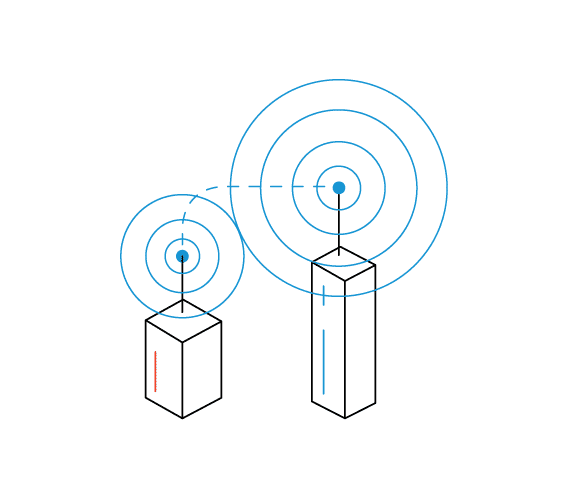
A WiFi repeatertakes the existing wireless signal and rebroadcasts it. This helps to cover small areas where the signal is weak. It connects wirelesslyto your router and extends the signal inside your home or office.
A Long Range Extenderis designed to cover much larger areas. It often uses external antennasand sometimes connects with wires to increase distance. It can reach places far away from the main router, like another building or a big yard.
| WiFi Repeater | Long Range Extender | |
|---|---|---|
| Purpose | Boosts signal in small areas | Extends signal over long distances |
| Connection | Wireless connection to router | Often uses wired or stronger antennas |
| Coverage | Limited to nearby rooms | Can cover yards or other buildings |
| Antennas | Usually built-in, small | External, larger for better range |
Working Mechanism
WiFi repeaterscapture the wireless signal from your router. They then retransmitthis signal to areas with weak coverage. This process extendsthe WiFi range but may reducethe overall speed due to signal retransmission.
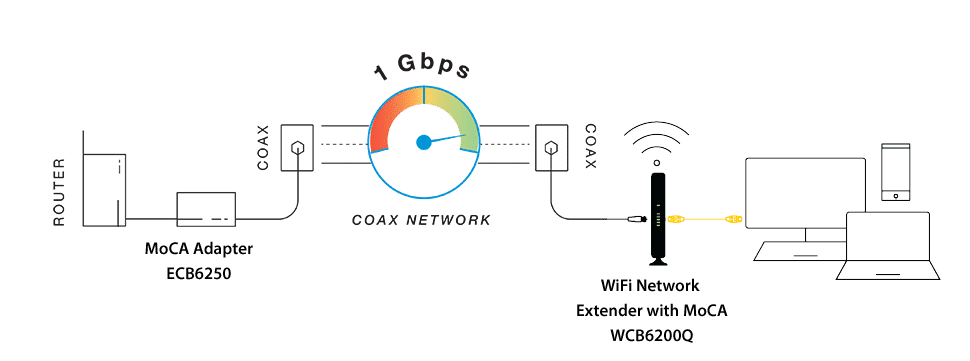
Long range extendersuse a different approach. They often connect to the router via Ethernet or a strong wireless link. This connection allows them to send a fresh WiFi signalto distant areas without losing much speed. They cover larger distances than repeaters.
| Feature | WiFi Repeater | Long Range Extender |
|---|---|---|
| Signal Source | Wireless signal from router | Wired or strong wireless link |
| Signal Transmission | Rebroadcasts existing signal | Creates a new, strong signal |
| Speed Impact | May reduce speed | Maintains better speed |
| Coverage Distance | Short to medium range | Longer range coverage |
Coverage And Range
Wifi repeatersusually cover a smaller area, often up to 100 feet indoors. They pick up the existing signal and rebroadcast it nearby. This helps extend coverage but may reduce speed because of signal loss. Walls and obstacles can lower their effective range.
Long range extendersare built to cover much larger distances, sometimes over 300 feet. They use stronger antennas and better technology to send signals farther. This makes them ideal for big homes or outdoor spaces where the Wifi signal needs to travel a long way.
| Device | Typical Range | Key Advantage |
|---|---|---|
| Wifi Repeater | Up to 100 feet indoors | Simple to set up, good for small areas |
| Long Range Extender | Up to 300+ feet | Stronger signal for large or outdoor spaces |
Performance And Speed
Wifi repeaterstake the existing signal and rebroadcast it. This process can cause signal lossand reduce the overall speed. The repeated signal is often weaker and slower than the original. This happens because the repeater uses the same channel to send and receive data, cutting bandwidth in half.
Long range extendersuse advanced technology to extend coverage without much speed loss. They often have separate channels for sending and receiving, which keeps the speed more stable. These devices work better for large areas and maintain a stronger connection over long distances.
| Feature | Wifi Repeater | Long Range Extender |
|---|---|---|
| Signal Strength | Weaker after repeating | Stronger over long distances |
| Speed Impact | Speed drops due to shared channel | Speed stays more consistent |
| Best Use | Small to medium areas | Large areas, outdoor spaces |
Installation And Setup
Wifi repeatersare usually very simple to set up. Most models connect through WPS buttonor a basic app. Just press the WPS button on your router, then on the repeater. The device then copies your Wifi settings automatically. This process takes only a few minutes. No special tools or skills are needed. Users can place the repeater where the signal is weak but still reachable.
Long range extenders may need a bit more work. They often require manual configurationvia a web browser. Users must enter the extender’s IP address, then input network details like SSID and password. This setup can be tricky for some. It takes more time and attention to detail. These extenders usually have stronger antennas and can cover larger areas.
Credit: www.screenbeam.com
Use Cases
Wifi Repeaterswork best in homes or small offices where the signal is weak but not far. They help by boosting the existing wifito cover dead spots like basements or rooms behind walls. Easy to set up and move, they fit places where you want a quick signal fix without changing much of your network.
Long Range Extendersare ideal for larger areas or outdoor spaces. They reach far distancesand connect places that are very far from the main router. Good for big houses, farms, or warehouses where the wifi needs to travel over a long range. They give a stronger, wider signal but need more setup.
Cost Comparison
Wifi repeatersusually cost less than long range extenders. Their price rangeoften falls between $20 and $70. This makes them a popular choice for basic home use.
Long range extenders are more expensive. Their prices depend on signal strength, range, and brand. Costs can range from $50 to over $150. They offer better coverage for larger spaces.
| Device | Typical Price Range | Cost Factors |
|---|---|---|
| Wifi Repeater | $20 – $70 | Basic features, shorter range |
| Long Range Extender | $50 – $150+ | Higher signal power, longer range, advanced tech |
Pros And Cons
Wifi Repeatersboost signal by rebroadcasting existing WiFi. They are easy to set up and cost-effective. Ideal for small areas with weak signal. But they can reduce internet speed and cause signal delay. Repeaters work best near the main router.
Long Range Extenderscover larger areas by using stronger antennas. They maintain better speed over longer distances. Suitable for big homes or outdoor spaces. Setup can be more complex and cost is higher. Extenders may need more power and space.
| Feature | Wifi Repeater | Long Range Extender |
|---|---|---|
| Setup | Simple, plug and play | May require configuration |
| Coverage | Short to medium range | Long range, wider area |
| Speed Impact | Can reduce speed | Maintains better speed |
| Cost | Lower | Higher |
Choosing The Right Device
Choosing the right device depends on your internet needsand space size. A wifi repeateris good for small areas with weak signals. It boosts the existing wifibut may reduce speed.
A long range extendercovers larger areas. It provides stronger signalsover longer distances. This is better for big homes or offices.
- Check the distanceyou need to cover.
- Consider the speedyou want to keep.
- Think about device compatibilitywith your router.
- Look for easy setupand use features.
Matching the device to your needs saves money and improves wifi quality.

Credit: www.amazon.ca
Frequently Asked Questions
What Is The Main Difference Between Wifi Repeater And Extender?
A WiFi repeater rebroadcasts the existing signal wirelessly, while a long-range extender often uses wired backhaul for better stability. Repeaters are easier to set up but may reduce speed. Extenders provide stronger signals over longer distances with less speed loss.
Which Device Offers Better Coverage: Repeater Or Extender?
Long-range extenders usually offer better coverage than WiFi repeaters. Extenders can transmit signals farther and penetrate walls more effectively. Repeaters work best for small to medium areas, while extenders suit larger homes or offices needing wider network reach.
Do Wifi Repeaters Reduce Internet Speed?
Yes, WiFi repeaters can reduce internet speed by up to 50%. They use the same channel to receive and transmit data, causing bandwidth sharing. Extenders with wired connections minimize speed loss, making them a better choice for maintaining fast internet.
Can A Long-range Extender Connect Multiple Devices Simultaneously?
Yes, long-range extenders can connect multiple devices simultaneously without significant performance drops. They often have better hardware and use wired backhaul, which supports higher data traffic. This makes them ideal for busy networks with many connected devices.
Conclusion
Choosing between a WiFi repeater and a long-range extender depends on your needs. A repeater boosts your existing signal inside your home. A long-range extender covers larger distances and outdoor areas. Both help improve your WiFi but work differently. Think about your space and signal problems first.
This way, you pick the right device for better internet. Stronger WiFi means fewer drops and faster browsing. Simple steps can make a big difference in your connection.