Imagine you’re relaxing in your backyard, streaming your favorite show, and suddenly the video buffers. Frustrating, right?
You’ve likely heard of outdoor WiFi extenders as a solution, but there’s a question that lingers: do these devices need a clear line of sight to function effectively? Understanding this can be the difference between seamless connectivity and constant interruptions.
As you navigate through this article, you’ll discover how the placement of your WiFi extender could be the key to unlocking uninterrupted internet bliss outdoors. Your curiosity might just lead you to a smarter, buffer-free outdoor experience. Ready to find out more? Let’s dive in.

Credit: simplewifi.com
How Outdoor Wifi Extenders Work
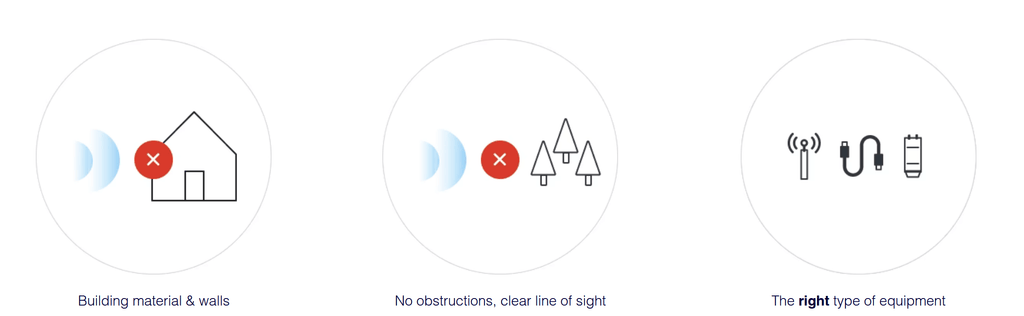
Outdoor WiFi extenders help increase the signal range outside a building. They receive the WiFi signal from your router and send it farther. This helps cover large yards, gardens, or patios. Signals travel best with clear line of sight, meaning no walls or big objects in the way.
Obstacles like trees, walls, or metal can weaken the signal. This causes slower internet or drops in connection. Some extenders use special antennas that work better around obstacles but still need a mostly clear path.
- Extenders catch the main WiFi signal.
- They boost and resend the signal farther.
- Strong signals need fewer obstacles.
- Line of sight helps keep fast speeds.
- Some models handle small obstacles better.
Line Of Sight And Signal Strength
Line of sightmeans there are no objects blocking the path between devices. This helps signals travel clearly and fast. Without line of sight, signals may weaken or drop. Strong signals need a clear path to work well.
Some common obstaclescan block or weaken signals:
- Walls, especially thick or concrete ones
- Trees and leaves
- Metal fences or poles
- Buildings and large structures
Signals can pass through small objects but lose strength. Outdoor WiFi extenders work best with fewer barriers. Positioning them where signals face fewer obstacles improves connection quality.
Common Outdoor Interferences
Trees and Foliagecan block or weaken WiFi signals outdoors. Leaves and branches absorb or scatter signals, causing slow internet or drops. Dense trees create bigger problems than thin ones.
Buildings and Structuresinterfere with signals too. Walls, metal, and concrete reflect or block WiFi waves. Tall buildings in cities often cause weak signals or dead zones.
Weather Conditionsalso affect outdoor WiFi. Rain, snow, and fog absorb or scatter signals. Strong winds can move antennas, changing signal strength. Clear weather offers the best conditions.
Types Of Outdoor Wifi Extenders
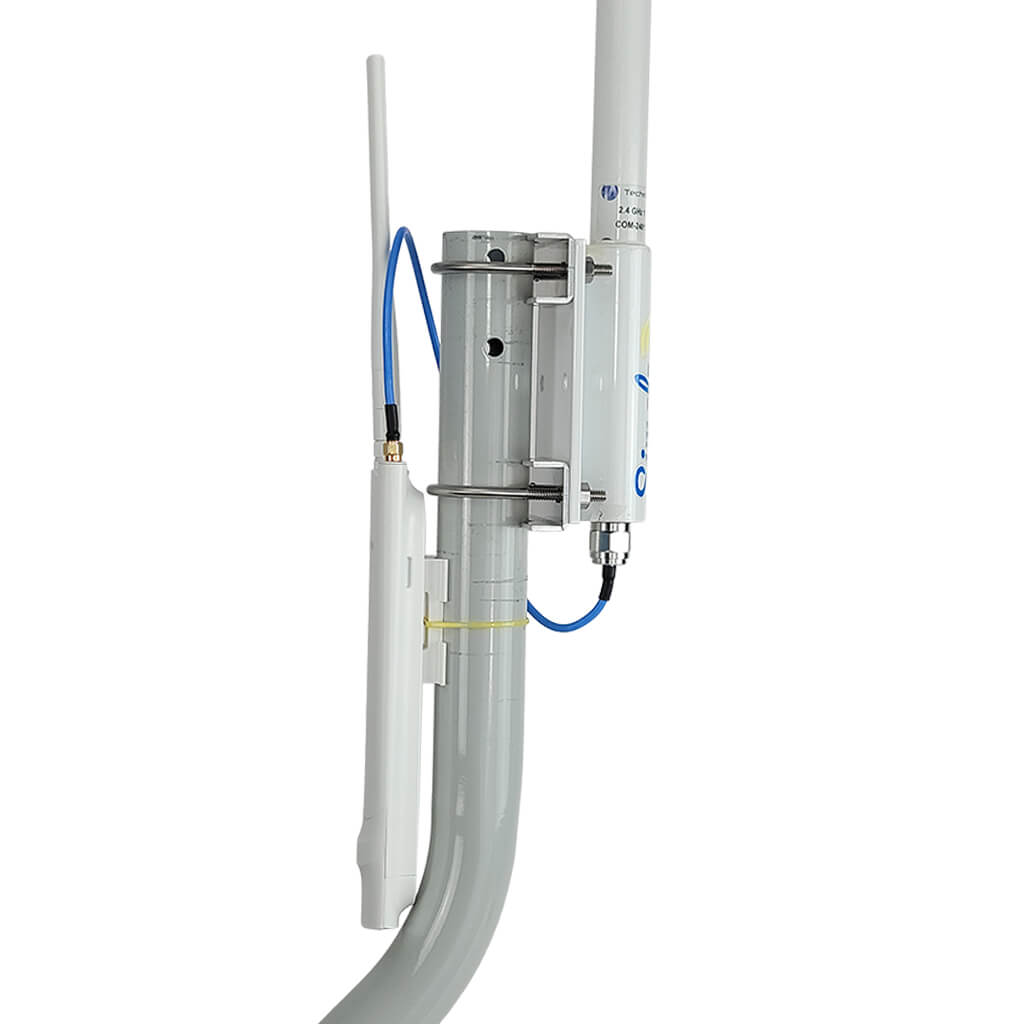
Directional antennasfocus the WiFi signal in one direction. This helps to send the signal further with less loss. They work best when there is a clear path or line of sightbetween devices. Obstacles like walls or trees can block the signal. These antennas are good for connecting two distant points.
Omnidirectional antennassend signals in all directions. They cover a wider area but with less range than directional ones. These antennas do not need a perfect line of sight but perform better with fewer obstacles. They are useful for spreading WiFi in open areas or around a building.
When Line Of Sight Is Not Required
Mesh networks help wifi signals travel around obstacles. This means they do not need line of sight. Many devices work together to pass the signal along. This creates a strong and steady connection, even through walls or trees.
Advanced signal processing uses smart technology to fix weak signals. It can boost wifi strengthand reduce interference. This technology helps extenders work well without a clear path. Signals can bend or bounce to reach the device.
Credit: simplewifi.com
Tips For Optimal Placement
Place outdoor WiFi extenders at a higher spot to improve signal strength. Height helps the signal travel further and avoid ground obstacles. Position the extender where it can cover the area you want without many walls or thick objects blocking the way.
Keep extenders away from devices that can cause interference. Common sources include microwaves, cordless phones, and large metal objects. Avoid placing extenders near trees or thick bushes, as leaves can block signals.
- Install extenders above roof level if possible
- Keep at least 3 feet away from other electronics
- Avoid thick walls or metal fences between devices
- Check for clear paths to main WiFi router
Testing And Troubleshooting Signal Issues
Signal strength tools help find where the WiFi signal is weak. These tools show signal bars or numbers. A strong signal means better internet speed. Walk around with your device to check signal levels. Walls, trees, and metal objects can lower signal strength. Use apps or devices made for WiFi testing. They give quick results and show where to place the extender.
Adjusting extender settings can improve signal quality. Change the channel to avoid interference from other WiFi networks. Set the extender closer to the main router for a stronger link. Some extenders let you change antennas to get better coverage. Restart the extender if the signal seems unstable. Small changes can make a big difference in connection speed and reliability.

Credit: www.cranegardenbuildings.co.uk
Frequently Asked Questions
Do Outdoor Wifi Extenders Require Clear Line Of Sight?
Outdoor WiFi extenders work best with a clear line of sight. Obstacles like walls and trees can weaken the signal. However, some extenders use advanced technology to reduce interference. For optimal performance, position extenders where they have minimal obstructions between the router and the extender.
How Does Line Of Sight Affect Wifi Extender Range?
Line of sight directly impacts the effective range of WiFi extenders. A clear path allows signals to travel further and stronger. Obstructions cause signal degradation, reducing range and speed. Ensuring line of sight maximizes the extender’s coverage area for outdoor use.
Can Outdoor Wifi Extenders Work Through Walls Or Obstacles?
Outdoor WiFi extenders can work through some obstacles but with reduced efficiency. Thick walls, metal, and dense foliage block signals more significantly. For best results, install extenders in locations with fewer barriers to maintain strong and stable connections.
Why Is Line Of Sight Important For Outdoor Wifi Extenders?
Line of sight minimizes signal loss and interference for outdoor WiFi extenders. It helps maintain faster speeds and stable connections. Without it, signals weaken, causing slower internet and frequent disconnects. Proper placement ensures the extender performs optimally in outdoor environments.
Conclusion
Outdoor WiFi extenders work best with clear paths. Walls, trees, and other objects can block signals. Line of sight helps keep connections strong and steady. Still, some extenders can handle obstacles well. Placement matters a lot for better coverage. Test your setup to find the best spot.
Good signal means faster internet and less frustration. Remember, simple steps improve your outdoor WiFi experience.