Are you tired of dead zones and sluggish internet speeds in your home? You’re not alone.
Whether you’re working from home, streaming your favorite shows, or just browsing the web, reliable internet is essential. But when your WiFi signal can’t quite reach every corner, it’s time to consider your options. Enter the world of Dual Band WiFi Extenders and Mesh Networks.
These two solutions promise to boost your WiFi coverage, but which one is right for you? By the end of this article, you’ll have a clear understanding of how each system works and which one will best meet your needs. Keep reading to discover how you can achieve seamless internet connectivity throughout your entire home.
Credit: www.screenbeam.com
Dual Band Wifi Extender Basics
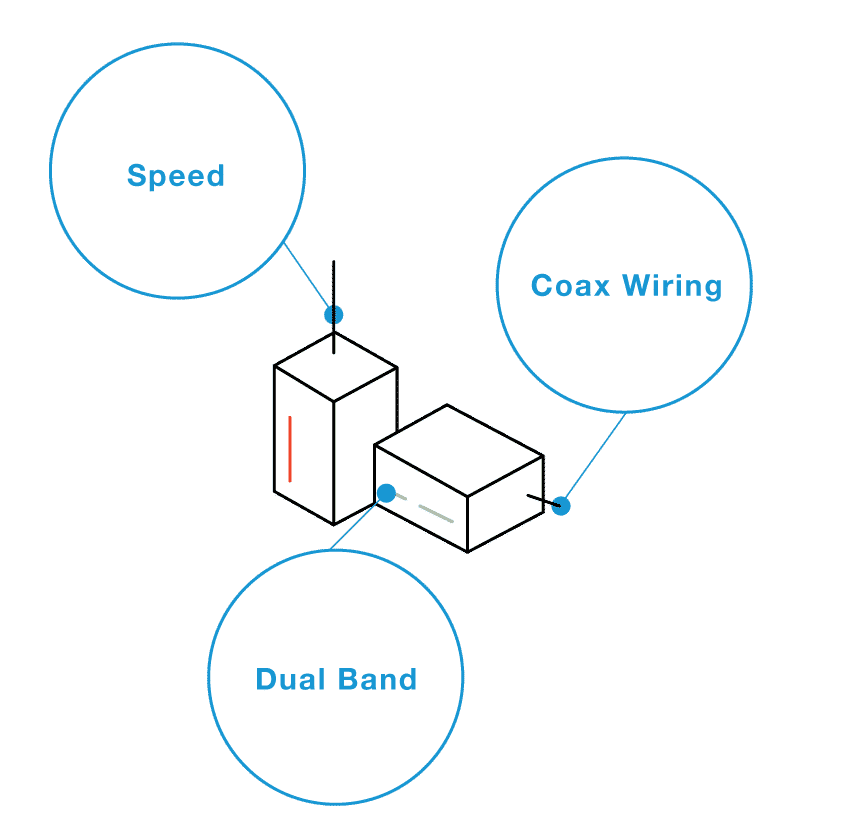
A Dual Band WiFi Extenderboosts your home internet signal on two frequencies: 2.4 GHz and 5 GHz. It picks up the router’s WiFi signal and rebroadcasts it to reach farther corners of your home. This helps reduce dead zones and weak signals.
Using two bands means better speed and less interference. The 2.4 GHz band covers longer distances but is slower. The 5 GHz band is faster but works best close to the extender.
- Benefits:Easy to set up and cheaper than mesh systems.
- Improves WiFi coverage in a limited area.
- Works well for small to medium homes.
- Limitations:Signal may drop when moving between bands.
- Speed can slow down because the extender rebroadcasts the signal.
- May not cover very large areas or multiple floors well.

Credit: www.which.co.uk
Mesh Network Essentials
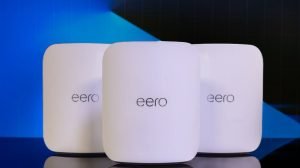
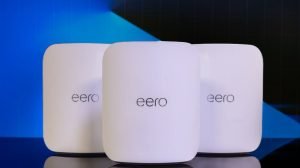
Mesh networksuse multiple devices called nodes to spread WiFi evenly. Each node talks to the others, creating one big network. This stops WiFi dead zones in large homes or offices. Mesh systems often have a single network name, so devices switch smoothly between nodes.
- Self-healing:If one node fails, others keep the network strong.
- Easy setup:Most mesh systems use simple apps for quick setup.
- Smart routing:Data finds the fastest path to your device.
- Better coverage than single extenders.
- One network name for all devices.
- Stronger, more reliable WiFi signal.
- Costs more than simple extenders.
- Needs more power outlets for nodes.
- Some setups can be complex for beginners.
Performance Comparison
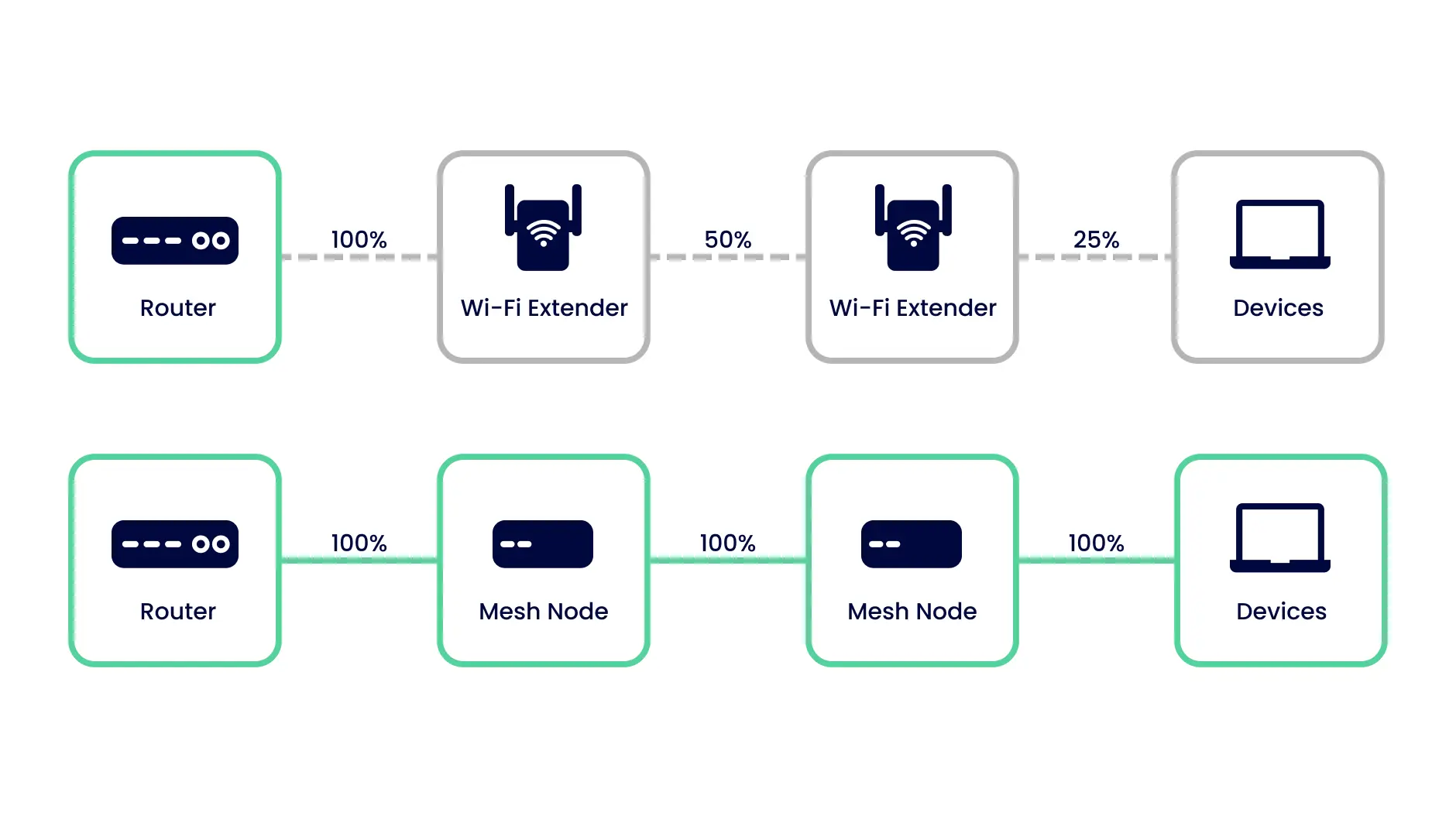
Coverage and Range:Dual band WiFi extenders boost signals but cover limited areas. Mesh networks create a wide, seamless WiFi zone. Mesh systems connect multiple devices with strong signals across large spaces.
Speed and Reliability:Extenders can slow down speed because they repeat signals. Mesh networks keep speed steady by using dedicated paths for data. Mesh systems reduce dropouts and interference, making connections more stable.
Device Capacity:Dual band extenders support fewer devices well. Mesh networks handle many devices without slowing down. This makes mesh ideal for busy homes or offices with many gadgets.
Setup And Maintenance
Dual band wifi extenders are easy to install. Plug into a power outlet near your router. Connect to your existing wifi network through a simple app or web interface. No special tools needed. Mesh networks need more setup. Place several nodes around the home for full coverage. Each node requires syncing with the main unit. Apps guide through this process step-by-step.
User experience differs between the two. Extenders often cause a slight speed drop. Switching between router and extender can interrupt connection. Mesh networks create one seamless network name. Devices connect automatically to the strongest node. This means fewer drops and better coverage.
Ongoing management is simpler with mesh systems. They usually have an app for easy control and updates. Extenders may need manual firmware updates. Adjusting settings can be less user-friendly. Mesh networks also handle network traffic smarter, reducing slowdowns.
Cost And Value
Dual band wifi extendersusually cost less at the start. They are simple devices that boost signal in one area. Mesh networksneed more devices and are pricier upfront. But they cover bigger homes better.
Long-term costs include upgrades and electricity use. Dual band extenders may need replacement sooner. Mesh systems often get software updates that improve performance. This can save money on new devices.
| Aspect | Dual Band Wifi Extender | Mesh Network |
|---|---|---|
| Initial Cost | Lower, single device | Higher, multiple devices |
| Coverage | Limited to one area | Whole home coverage |
| Long-Term Expenses | May need replacement sooner | Software updates included |
| Value | Good for small spaces | Better for larger homes |
Credit: inseego.com
Best Use Cases
Dual band extenderswork well in small to medium homes. They boost WiFi signals in areas with weak coverage. Ideal for places with simple layouts and few walls. Easy to set up and cost less. Good for users needing better WiFi in one or two rooms. They help with streaming videos and light online gaming.
Mesh networksfit larger homes or offices with many rooms. They create a strong, seamless WiFi signal everywhere. Great for complex layouts or multi-floor buildings. Devices switch automatically to the best signal. Best for heavy internet users and smart home setups. They handle many devices well without slowing down.
Future Trends In Home Networking
Dual band WiFi extenders boost signals but may cause slow spots. Mesh networks offer seamless coverage by linking multiple devices. Choosing depends on home size and internet needs.
Emerging Technologies
WiFi 6and WiFi 6Eoffer faster speeds and better device support. Dual Band Wifi Extendersboost signal but may have speed limits. Mesh Networksuse many nodes to cover large homes evenly. Both improve network stabilityand reduce dead zones.
Integration With Smart Homes
Smart homes use many connected devices. Mesh networks can handle many devices well. They allow easy control of lights, cameras, and thermostats. Extenders may slow down if too many devices connect. Seamless network coverage is key for smart home devices to work smoothly.
Frequently Asked Questions
What Is A Dual Band Wifi Extender?
A dual band WiFi extender boosts your existing network on 2. 4 GHz and 5 GHz bands. It improves coverage and reduces dead zones without replacing your router. It is ideal for medium-sized homes or offices needing better signal strength in specific areas.
How Does A Mesh Network Differ From Extenders?
A mesh network uses multiple nodes to create seamless WiFi coverage. Unlike extenders, mesh systems provide one unified network with consistent speeds and automatic routing. They are better for large homes or complex layouts needing reliable, whole-house WiFi.
Which Is Better For Large Homes: Extender Or Mesh?
Mesh networks are generally better for large homes. They offer wider coverage, seamless roaming, and stronger connections. Extenders work well in smaller areas but might cause speed drops and network interruptions in bigger spaces.
Can Dual Band Extenders Support Multiple Devices Effectively?
Yes, dual band extenders support multiple devices by splitting traffic across two frequency bands. This reduces congestion and improves overall network performance, especially in busy households or offices with many connected gadgets.
Conclusion
Choosing between a dual band WiFi extender and a mesh network depends on your needs. Extenders are easy to set up and cost less. Mesh networks cover larger areas and keep signals strong everywhere. Both improve WiFi but work differently.
Think about your space size and budget before deciding. Good WiFi makes streaming and browsing better. Pick what fits your home best for a steady connection.