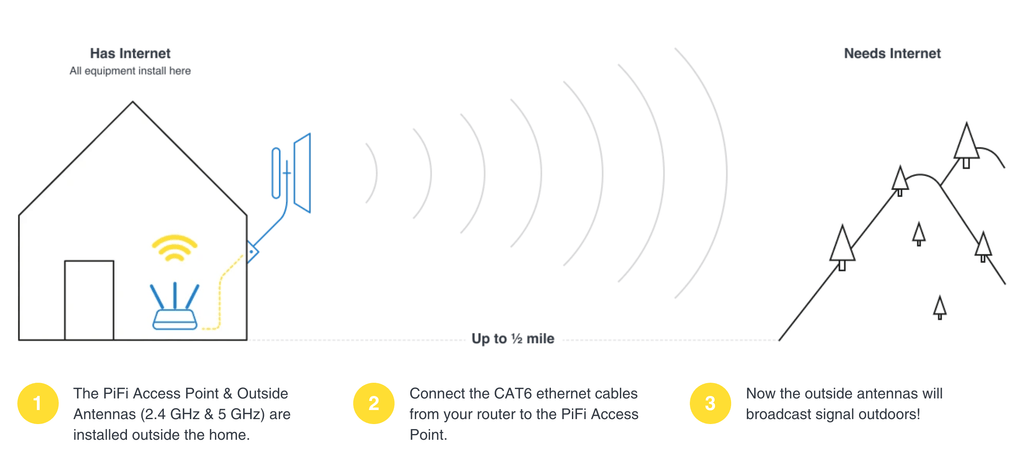
Imagine sitting in your backyard, trying to enjoy a good movie or work from your patio, only to be frustrated by weak WiFi signals. Sound familiar?
You’re not alone. Many people struggle with poor internet connectivity outdoors, and that’s where a long-range WiFi extender comes in. But just how far can these devices really reach? Understanding this could transform your outdoor experience, allowing you to stay connected even when you’re far from your router.
You’ll discover the potential reach of long-range WiFi extenders and how they can enhance your outdoor internet experience. Stick around to learn how to optimize your outdoor WiFi coverage and say goodbye to connection woes.

Credit: simplewifi.com
Factors Affecting Outdoor Wifi Range
The signal frequencyand bandwidthaffect WiFi range outdoors. Lower frequencies like 2.4 GHz travel farther but offer slower speeds. Higher frequencies like 5 GHz have faster speeds but shorter reach. Bandwidth impacts how much data moves at once, affecting connection quality.
Obstaclessuch as walls, trees, and buildings block WiFi signals. Interferencefrom other devices, like microwaves or other WiFi networks, also weakens the signal. Clear line of sight improves range and strength.
Weather conditionsplay a role too. Rain, fog, and snow can reduce the signal’s distance. Dry and clear days help signals travel farther without much loss.
Antenna typeand placementare key for outdoor reach. Directional antennas focus signals in one direction for longer distance. Omnidirectional antennas send signals all around but with less reach. Position antennas high and free from obstacles for best results.
Types Of Long Range Wifi Extenders
Directional antennasfocus the WiFi signal in one direction. This helps reach farther distances but covers a smaller area. Omnidirectional antennasspread the signal in all directions. They cover a wider area but with less distance.
Indoor extenderswork inside buildings. Walls and furniture can block signals, so their range is limited. Outdoor extendersare built to handle weather and cover longer distances. They often have stronger antennas.
Mesh network systemsuse several devices to create a big WiFi area. Each device talks to the others, helping cover large outdoor spaces without losing signal.
Typical Outdoor Range Expectations
Short range extenders usually cover up to 100 feetoutdoors. They work well for small yards or patios. These devices have lower powerand simpler antennas.
Mid range extenders can reach 200 to 500 feet. They suit medium-sized gardens or outdoor spaces. These extenders often use better antennasand more power.
High power long range extenders reach up to 1,000 feet or more. They have strong antennasand higher transmission power. Ideal for large farms or big outdoor areas.
| Extender Type | Typical Outdoor Range | Best For |
|---|---|---|
| Short Range | Up to 100 feet | Small yards, patios |
| Mid Range | 200 to 500 feet | Medium gardens, outdoor spaces |
| High Power Long Range | 1,000 feet or more | Large farms, big outdoor areas |

Credit: www.techi.com
Setting Up For Maximum Outdoor Coverage
Place the extenderhigh and clear of walls or metal objects. Avoid thick trees or buildings blocking the signal. The best spotis where the signal is still strong but near the outdoor area.
Keep the extender away from devices like microwaves and cordless phones. These can cause signal interferenceand weaken the WiFi range.
Using external antennascan boost signal strength. Point antennas toward the outdoor space you want to cover. This helps send the WiFi further and more clearly.
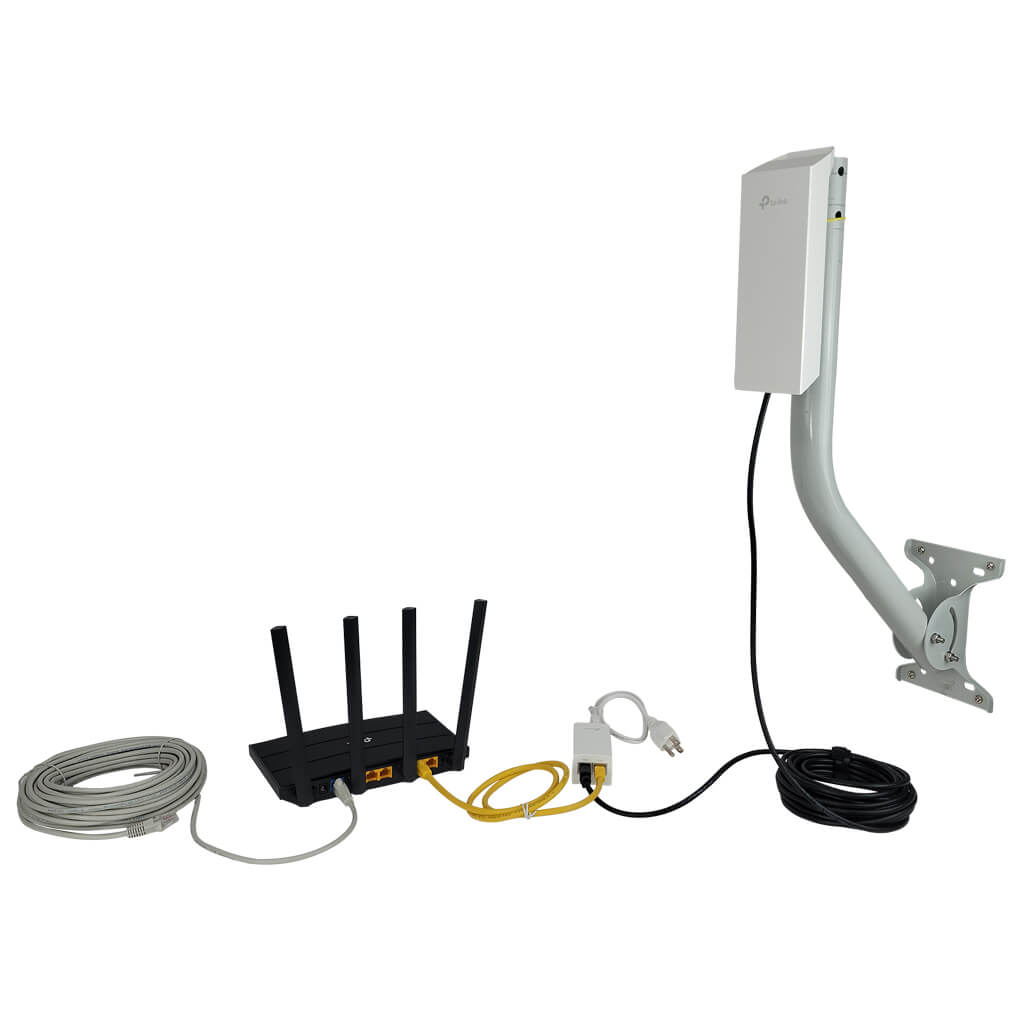
Make sure the extender has a steady power source. Outdoor power supplies must be safe and weatherproof to keep the extender running well.
Testing And Measuring Wifi Range Outdoors
Signal testing toolshelp measure WiFi strength outdoors. These apps show signal bars and decibel levels. Common tools include WiFi Analyzer, NetSpot, and AirPort Utility. They give quick info about signal quality and range.
Signal strength is shown in dBm. A value near -30 dBm means very strong signal. Around -70 dBm is weak but usable. Less than -80 dBm usually means no connection. Understanding these numbers helps find best spots for WiFi use.
Weak spots can happen due to walls, trees, or distance. Moving the extender or changing its height can improve coverage. Sometimes, changing WiFi channels reduces interference. Testing in different spots helps fix weak signal areas.
Credit: simplewifi.com
Improving Outdoor Wifi Performance
Updating your WiFi extender’s firmwarecan fix bugs and improve range. Newer hardware models often support stronger signals and better speeds. Choosing a device with an external antenna helps send WiFi farther outdoors.
Signal boosters increase the WiFi signal strength. They help cover larger outdoor areas by amplifying weak signals. Position boosters where the main router’s signal is still strong for best results.
- Use strong passwords to protect your network
- Enable WPA3 or WPA2 security for safer connections
- Turn off network sharing to avoid unauthorized access
Frequently Asked Questions
How Far Can A Long Range Wifi Extender Reach Outdoors?
A long range WiFi extender can reach up to 1,000 feet outdoors. The distance varies with terrain, obstacles, and weather conditions. Open spaces without obstructions provide the best signal range. Trees, walls, and buildings reduce the effective coverage significantly.
What Factors Affect Outdoor Wifi Extender Range?
The range depends on antenna strength, interference, and environmental obstacles. Weather conditions like rain or fog also impact signal quality. Placement height and line of sight are crucial for maximizing distance. Devices with higher gain antennas generally offer better outdoor coverage.
Can Trees And Walls Reduce Wifi Extender Performance?
Yes, trees and walls block or weaken WiFi signals outdoors. Dense foliage absorbs signals, while thick walls reflect or scatter them. This interference lowers signal strength and reduces coverage area. Positioning the extender in a clear line of sight improves performance.
Is Weather Important For Long Range Wifi Extender Outdoors?
Weather significantly affects WiFi extender performance outdoors. Rain, fog, and humidity can absorb or scatter wireless signals. These conditions reduce the effective range and signal quality. Ensuring devices are weatherproofed and properly placed minimizes weather-related issues.
Conclusion
A long range WiFi extender can boost your outdoor signal well. Distance depends on obstacles like walls, trees, and weather. Clear line of sight helps the signal travel farther. You can enjoy better internet in your yard or garden. Choose the right extender for your specific outdoor needs.
Test the setup to find the best spot for it. Strong outdoor WiFi means more freedom to work or play outside. Keep these tips in mind for a smooth experience.