Imagine you’re sitting in one corner of your large building, trying to stream a movie or join a video call, but the WiFi signal is weak or keeps dropping. Frustrating, right?
You’re not alone. In sprawling spaces, maintaining a strong and consistent internet connection can feel like a constant battle. But here’s the good news: long-range WiFi extenders might just be the solution you’ve been searching for. Are you curious about how these devices can enhance your internet experience across vast areas?
Stick with me as we dive into the world of WiFi extenders and explore whether they can truly transform connectivity in large buildings.
How Long Range Wifi Extenders Work
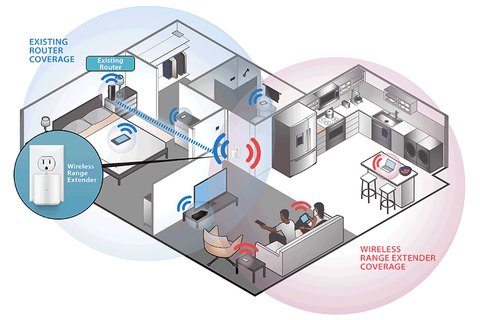
Long range wifi extendershelp increase the reach of your wifi signal. They take the original wifi signal and boost itso devices far from the router can connect. This helps cover large buildingswhere the main router signal is weak or can’t reach.
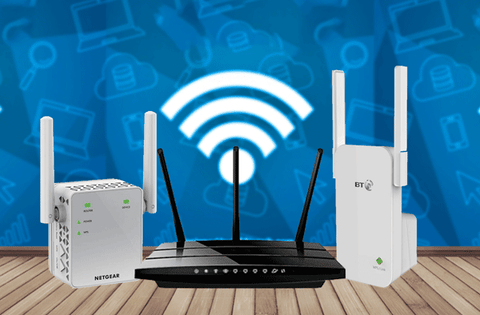
There are different types of extenders:
- Repeater extenderscatch and resend the wifi signal.
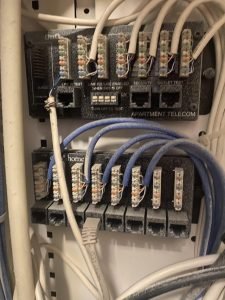
- Access point extendersconnect to the router by cable and create a new wifi zone.
- Mesh systemsuse multiple devices to create one strong network.
Good placementis key. Extenders work best placed where the original wifi signal is still strong enough. Avoid walls or metal objects between the router and the extender. Placing extenders too far means they get weak signals and can’t boost well.
Credit: www.signalbooster.com
Challenges In Large Buildings
Large buildings pose several challengesfor long range WiFi extenders.
Interference factorsinclude signals from other devices and walls blocking WiFi waves. These interruptions reduce signal strength and speed.
Building materialslike concrete, metal, and thick walls absorb or reflect signals. This makes WiFi coverage uneven or weak in many areas.
| Building Material | Impact on WiFi Signal |
|---|---|
| Concrete | Strongly blocks or absorbs signals |
| Metal | Reflects signals causing interference |
| Glass | Lets some signals pass but weakens them |
| Drywall | Weakens signal slightly |
Distance limitsalso matter. WiFi extenders work best within certain ranges. Beyond this, the signal drops quickly.
Choosing The Right Extender
Long range WiFi extenders help increase signal coveragein large buildings. They must cover the right distanceto reach all areas. Check the extender’s rangebefore buying.
Extenders need to be compatiblewith your router. Many work best with the same brand or support common WiFi standards like 802.11ac. Compatibility ensures a smooth connection.
| Bandwidth Aspect | Why It Matters |
|---|---|
| Speed | Extender should support your internet speed for fast browsing. |
| Frequency Bands | Dual-band (2.4 GHz and 5 GHz) extenders offer better performance. |
| Device Load | Choose extenders that handle many devices without slowing down. |
Credit: simplewifi.com
Setup Tips For Large Spaces
Place the wifi extender where the signal is still strong but near the area needing coverage. Avoid walls and metal objects that block signals. Keep extenders away from microwaves and cordless phones to reduce interference.
Use the same network name (SSID) and password for the extender as the main router. This lets devices switch smoothly between signals. Check if the extender supports your router’s frequency bands (2.4 GHz and 5 GHz).
- Walk around the building to find weak signal spots.
- Place extenders near these dead zones for better coverage.
- Test the connection after setup to ensure no dead spots remain.
Alternative Solutions
Long range WiFi extenders may struggle in large buildings due to walls and interference. Alternative options like wired access points or mesh networks can offer better coverage and stability. These solutions help maintain strong signals across wide areas.
Mesh Wifi Systems
Mesh wifi systemsuse multiple devices to create one strong network. They cover large areas better than extenders. Each unit talks to others, making the signal strong everywhere. Easy to set up and manage, they fit well in big buildings.
Powerline Adapters
Powerline adapterssend internet signals through electrical wires. Plug one adapter near your router and another where you need wifi. No new wires needed. Good for places with thick walls that block wifi signals.
Wired Access Points
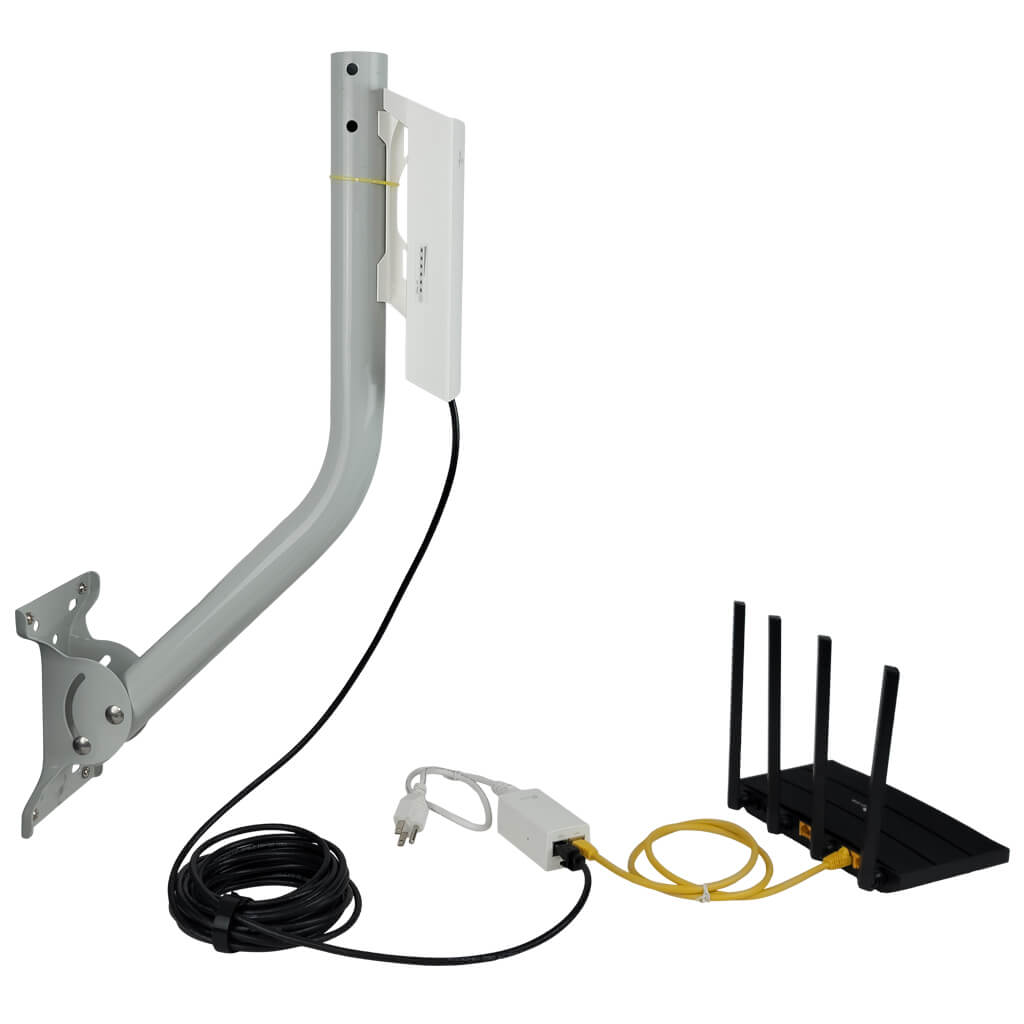
Wired access pointsconnect directly to your router using cables. They create strong wifi spots in different building areas. This method is very reliable and fast. Ideal for big buildings with many floors.
Performance Testing And Maintenance
Speed testing tools help check the real performanceof wifi extenders. They measure downloadand upload speedsin different building areas. Popular tools include Speedtest.net, Fast.com, and WiFi Analyzer. These apps show where the signal is strongor weak. Testing helps find spots needing extra coverage.
Regular firmware updates keep devices secureand efficient. Updates fix bugs and improve signal strength. Check the extender’s app or website to download the latest version. Updates may also add new features.
- Slow speeds:Restart the extender and router.
- Connection drops:Move extender closer to the router.
- No connection:Reset the extender and set it up again.
- Interference:Avoid thick walls and other electronics.

Credit: www.amazon.com
Frequently Asked Questions
Can Long Range Wifi Extenders Cover Large Buildings?
Yes, long range WiFi extenders can cover large buildings. They boost signal strength and extend coverage, reducing dead zones. However, building materials and interference affect performance. Proper placement and quality extenders ensure better connectivity across multiple floors and rooms.
Do Building Materials Affect Wifi Extender Performance?
Yes, building materials like concrete, metal, and thick walls reduce WiFi signals. These materials block or weaken signals, limiting extender reach. Using extenders with higher power and placing them strategically helps overcome these barriers in large buildings.
How To Optimize Wifi Extenders In Large Buildings?
Place extenders midway between the router and dead zones for best coverage. Avoid physical obstructions and electronic interference. Use dual-band extenders for flexibility, and regularly update firmware to maintain strong, reliable WiFi signals throughout large spaces.
Are Long Range Wifi Extenders Better Than Mesh Networks?
Long range WiFi extenders are cost-effective for extending signal but may cause speed drops. Mesh networks provide seamless coverage and better performance in large buildings. Choose based on budget, building size, and desired network stability.
Conclusion
Long range WiFi extenders can help improve signal in large buildings. They work best when placed in open areas and away from walls. Keep in mind, thick walls and interference can reduce their range. Choosing the right extender and proper setup matters a lot.
Testing signal strength in different spots helps find the best place. For bigger buildings, combining extenders with other devices can boost coverage. Small steps make a big difference in WiFi reach. A strong connection keeps everyone happy and productive.