Imagine stepping into your backyard to enjoy a sunny afternoon, only to find that your WiFi signal vanishes the moment you walk out the door. Frustrating, right?
You’re not alone. Many people like you are searching for ways to enjoy seamless internet connectivity both inside and outside their homes. This is where a long-range WiFi extender might just be the game-changer you need. But can it really boost your signal outside?
By the end of this article, you’ll uncover the secrets to expanding your WiFi coverage and turning your entire outdoor space into a connectivity haven. Get ready to say goodbye to dead zones and hello to uninterrupted browsing, streaming, and gaming, no matter where you are in your home. Stick with us to explore how you can transform your WiFi experience today.
How Long Range Wifi Extenders Work
Long range wifi extendersreceive signals from your main router. They amplifythese signals to cover areas far from the router. This helps improve wifi in outdoor spaces like gardens or patios.
Extenders come in different types. Some connect wirelessly to your router. Others use cables for a stronger link. Each type fits different home setups and needs.
Good placementis key for best results. Place the extender where it still gets a strong signal from the router. Avoid walls or metal objects that block signals. Outdoor extenders should be weatherproof and near the area you want to cover.
| Type of Extender | Description | Best Use |
|---|---|---|
| Wireless Extender | Connects to router wirelessly | Easy setup, flexible placement |
| Wired Extender | Uses Ethernet cable | Stable, fast connection |
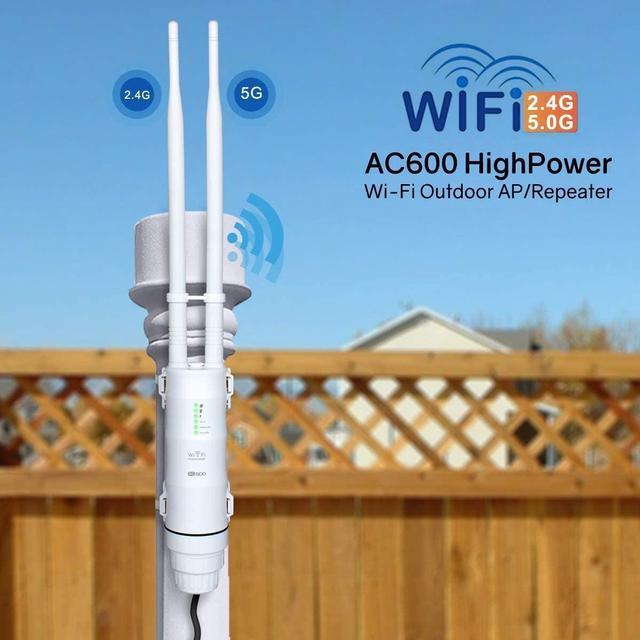
| Outdoor Extender | Weatherproof design | Extends signal outside |
Credit: www.newegg.com
Factors Affecting Outdoor Wifi Coverage
Physical obstacleslike walls, trees, and buildings can block WiFi signals outside. Signals get weaker after passing through thick materials. Open spaces allow better coverage, while dense areas reduce it.
Interference sourcessuch as other WiFi networks, microwaves, and wireless devices cause signal problems. These devices send signals that mix with your WiFi, making it slower or unstable.
Weather impactalso affects WiFi signals. Rain, snow, and fog can reduce signal strength. Strong winds do not harm signals much, but heavy moisture in the air can weaken them.
Choosing The Right Extender For Outdoor Use
Choosing a long range WiFi extender can improve outdoor signal strength. Devices designed for outdoor use handle weather and distance better. This helps maintain a stable connection in your yard or patio.
Range Specifications
Long range WiFi extenders must cover wide outdoor spaces. Check the maximum distancethe device can handle. It should reach your garden, backyard, or patio without losing signal strength. Look for extenders with a range of at least 300 feetoutdoors. Signal strength can drop with walls or trees, so a stronger range helps.
Durability And Weatherproofing
Outdoor WiFi extenders face rain, wind, and sun. Choose devices with weatherproofor water-resistantcases. Materials like IP65 or higher ratingkeep the extender safe. Durable extenders last longer and work better in harsh weather. Check if it can handle extreme temperaturesfor your area.
Compatibility With Routers
Ensure the extender works with your current router. Most extenders support 2.4 GHz and 5 GHzbands. Match the WiFi standards like 802.11ac or 802.11n. This avoids connection issues. Some extenders pair easily using WPS buttonor mobile apps for quick setup.

Credit: www.amazon.com
Setting Up A Wifi Extender For Outdoor Signal Boost
Choose a spot with a strong wifi signalnear a door or window facing outside. Avoid places blocked by thick walls or metal. The extender needs a clear pathto send the signal outdoors.
Plug in the wifi extender and connect it to your main router’s network. Use the extender’s app or web page to enter your wifi name and password. Select the option to boost your existing wifi signal.
Walk outside with a phone or laptop and check the wifi signal strength. Move the extender if the signal is weak or drops. Repeat testing until the outside area has good wifi coverage.
Limitations Of Using Wifi Extenders Outside
Wifi extenders can help boost signals, but outside use has limits. Signals weaken over long distances. Walls, trees, and weather can block or reduce signal strength. The farther the signal travels, the weaker it gets. This is called signal degradation.
Power and connectivity pose challenges too. Many extenders need a constant power source, which is hard to find outside. Also, maintaining a stable connection can be difficult due to interference from other devices or obstacles.
Security is another concern. Outdoor signals may be easier for outsiders to access. Without strong security measures, personal data could be at risk. Using strong passwords and encryption is important to keep your network safe.
Alternative Solutions For Outdoor Wifi Enhancement
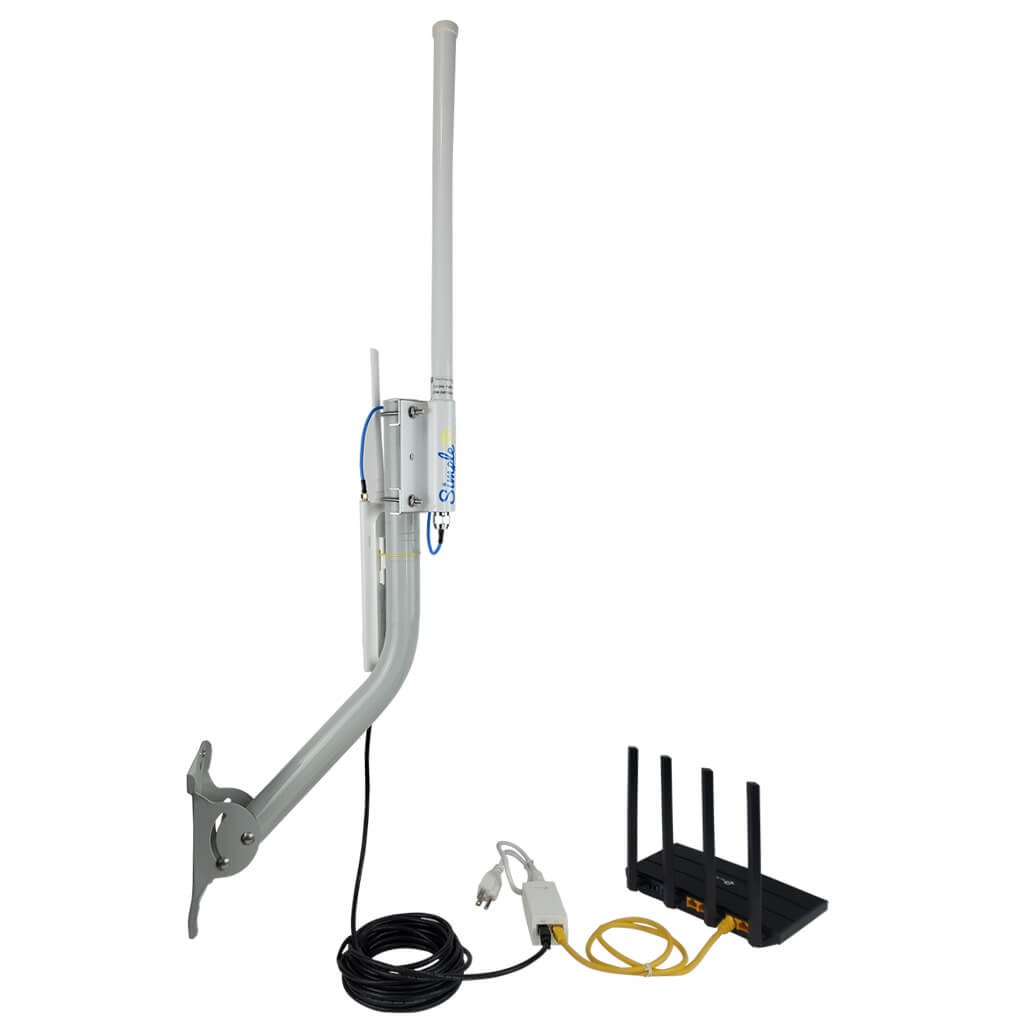
Outdoor access points are made to extend wifi outside your home. They connect to your main router with a cable. Then, they send a strong signal in the open air. These devices work well for big yards or patios. They offer better coverage than regular extenders.
Mesh wifi systems use many devices that work together. They create one big network that covers inside and outside. These systems give a smooth connection. You won’t lose signal when you move around. They are easy to set up and control.
Directional antennas focus wifi signals in one direction. They send stronger signals to a specific outdoor spot. These antennas help reach far places. They work best if you want to cover a particular area, like a garden or pool.

Credit: www.amazon.com
Frequently Asked Questions
Can A Long Range Wifi Extender Improve Outdoor Signal?
Yes, a long range WiFi extender can boost outdoor signal by amplifying the existing WiFi coverage. It helps extend the signal beyond indoor limits, providing better connectivity in gardens, patios, or yards.
How Far Can A Long Range Wifi Extender Reach Outdoors?
A long range WiFi extender can typically reach up to 300 feet outdoors, depending on obstacles and interference. Open spaces allow better signal spread, while walls and trees may reduce effective distance.
Are Long Range Wifi Extenders Weather-resistant For Outdoor Use?
Most long range WiFi extenders designed for outdoor use are weather-resistant. They have protective casings to withstand rain, dust, and temperature changes, ensuring reliable performance in various weather conditions.
Will A Wifi Extender Reduce Internet Speed Outside?
WiFi extenders can slightly reduce internet speed due to signal retransmission. However, a quality long range extender minimizes speed loss, delivering a stable and faster outdoor connection compared to no extender.
Conclusion
A long-range WiFi extender can improve your outdoor signal. It helps reach areas far from your router. Placement matters a lot for the best results. Walls and trees may still block some signal. Choose an extender that fits your needs and budget.
Test different spots to find the strongest connection. A better outdoor WiFi means more freedom to work or play. Keep your network safe by updating passwords regularly. Small steps make a big difference in WiFi coverage.