Are you struggling with weak WiFi signals because of thick walls in your home or office? You’re not alone.
Thick walls can block or weaken your internet connection, leaving you frustrated and disconnected. But is a dual band WiFi extender the solution you’ve been looking for? Before you spend your money, it’s important to understand how these devices work and whether they can truly boost your signal through tough barriers.
Keep reading to discover if a dual band WiFi extender is the right choice to improve your connection and enjoy seamless internet anywhere in your space.

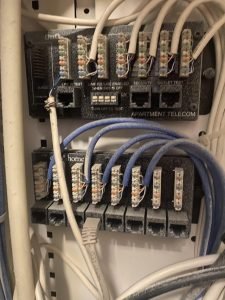
Credit: www.reddit.com
Dual Band Wifi Extender Basics
Dual band WiFiuses two frequency bands: 2.4 GHz and 5 GHz. The 2.4 GHz band offers better range but slower speeds. The 5 GHz band provides faster speeds but shorter range. Devices can switch between these bands for better connection.
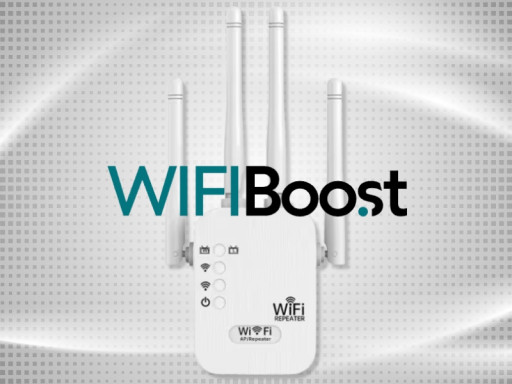
WiFi extenders catch the signal from your router. They then repeat it to cover more area. Extenders help reach places where the WiFi is weak or missing. This is useful in homes with thick wallsthat block signals.
Extenders work by:
- Receiving the router’s WiFi signal.
- Amplifying the signal strength.
- Broadcasting the signal to distant areas.
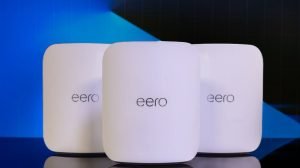
Credit: www.newswire.com
Impact Of Thick Walls On Wifi
Thick wallsreduce wifi signal strength. Signals lose power passing through dense materials.
Different materials block signals differently. Some stop signals more than others.
| Material | Effect on Wifi Signal |
|---|---|
| Concrete | Strongly blocks signals, causing big loss |
| Brick | Blocks signals moderately |
| Wood | Blocks signals lightly |
| Glass | Usually allows signals through |
| Metal | Blocks signals completely |
- Thick walls increase signal loss more than thin walls.
- Metal pipes or foil inside walls can stop signals fully.
- Materials with water content, like plaster, absorb signals.
Dual Band Performance Through Walls
2.4 GHzand 5 GHzare the two main WiFi bands used by dual band extenders. The 2.4 GHz bandhas a longer range and better ability to pass through thick walls. This band can cover larger areas but usually offers slower speeds.
The 5 GHz bandprovides faster speeds but has a shorter range. It struggles more to pass through walls, especially thick ones. This means the signal may weaken or drop after hitting obstacles.
| WiFi Band | Range | Wall Penetration | Speed |
|---|---|---|---|
| 2.4 GHz | Longer | Better | Slower |
| 5 GHz | Shorter | Weaker | Faster |
Choosing the right band depends on your needs. For thick walls, 2.4 GHzusually works better to keep the connection stable. For speed near the router, 5 GHzis best.
Choosing The Right Extender
Dual band WiFi extendersoffer better signal options with 2.4GHz and 5GHz bands. Thick walls often block signals, so extenders with high power antennaswork best. Look for models that support beamformingto focus signals through barriers. Devices with fast data rateshelp keep connections steady. Easy setup and strong security are also important features.
| Model | Frequency Bands | Special Features | Best for Thick Walls |
|---|---|---|---|
| Netgear Nighthawk EX7300 | Dual Band | Beamforming, Fast Ethernet | Yes |
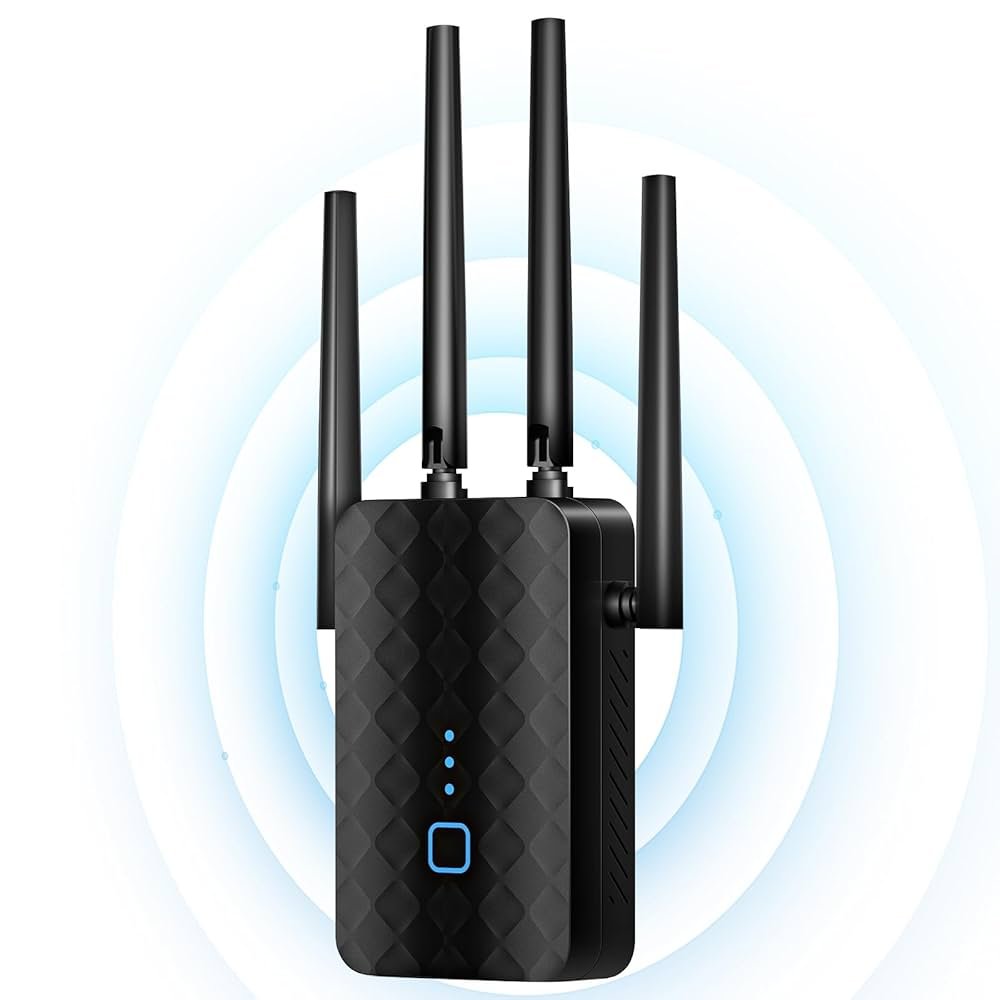
| TP-Link RE650 | Dual Band | 4 External Antennas, MU-MIMO | Yes |
| Linksys RE7000 | Dual Band | Spot Finder Technology | Yes |
Setup Tips For Maximum Coverage
Place the WiFi extenderin an area with a clear signal from the main router. Walls, especially thick ones, can block signals and reduce speed. Keep the extender midway between the router and the farthest pointwhere you want coverage.
Avoid placing the extender near devices that can cause interference. These include microwaves, cordless phones, and Bluetooth gadgets. Electronic devices can disrupt the signal and slow down your internet.
Try to keep the extender away from metal objects and large furniture. These can also block or weaken the WiFi signal. Test the signal strength in different spots to find the best location.
Alternatives To Wifi Extenders
Mesh network systemsuse many devices to cover your whole home. Each device acts like a small router. This helps the signal pass through thick walls better than extenders. Mesh systems create one big network with the same name. Devices switch automatically to the strongest signal. Setup is simple and works well for large houses with many rooms.
Powerline adapterssend internet through your home’s electrical wiring. You plug one adapter near your router and another where you want better WiFi. This method avoids walls blocking the signal. It is good for thick walls that stop WiFi signals. Powerline adapters give stable internet without wires running across rooms. Performance depends on your home’s wiring quality.
Troubleshooting Common Issues
Weak signaloften happens with thick walls blocking WiFi waves. Place the extender closer to the main router but before the thick wall. Use the 5 GHz bandfor faster speeds but shorter range; the 2.4 GHz bandtravels better through walls. Try moving the extender higher or near a window for a better line of sight.
Connectivity dropscan occur due to interference from devices like microwaves or cordless phones. Change the extender’s channel to a less crowded one using its settings page. Keep the extender firmware updated to fix bugs that cause drops. Restart the extender and router regularly to refresh the connection.
- Place extender in open space, not inside cabinets
- Use Ethernet backhaul if possible for stable link
- Limit the number of devices connected at once
- Check for obstacles like metal or thick furniture

Credit: www.amazon.com
Frequently Asked Questions
What Is A Dual Band Wifi Extender?
A dual band WiFi extender boosts signals on both 2. 4 GHz and 5 GHz bands. It improves coverage and reduces interference in thick-walled homes, enhancing overall network performance.
How Effective Are Dual Band Extenders For Thick Walls?
Dual band extenders perform well with thick walls by using 2. 4 GHz for better penetration and 5 GHz for speed. They balance range and speed, providing a more reliable connection through barriers.
Can Dual Band Extenders Reduce Wifi Dead Zones In Homes?
Yes, dual band extenders help minimize dead zones by amplifying signals across two frequency bands. This ensures stronger, more consistent WiFi coverage in areas obstructed by thick walls.
Is 2.4 Ghz Or 5 Ghz Better For Thick Walls?
2. 4 GHz signals penetrate thick walls better than 5 GHz. Dual band extenders use both frequencies to optimize coverage and speed, adapting to different room layouts and wall materials.
Conclusion
Dual band WiFi extenders can help with thick walls. They boost signal strength. This means better internet in difficult areas. Choose an extender wisely. Look for one with strong range and easy setup. Consider your home’s layout. Test different spots for the best coverage.
Reliable internet makes life easier. No more buffering or dropped connections. Your online experience improves with the right tools. Thick walls won’t be a problem anymore. Enjoy seamless streaming and browsing.