Are you struggling with weak WiFi signals outside your home or office? You might be wondering if an outdoor WiFi extender can handle the challenge, especially in humid conditions.
Humidity can affect electronic devices, and you want to make sure your investment works reliably no matter the weather. You’ll discover how outdoor WiFi extenders perform when faced with moisture in the air. By the end, you’ll know exactly what to look for to keep your connection strong and steady, rain or shine.
Keep reading to find out how to protect your WiFi and stay connected outside.

Credit: www.amazon.com
How Humidity Affects Wifi Signals
Humiditycan cause wifi signalsto weaken. Water molecules in the air absorb some signal energy. This makes the signal weakerand slower. Humid air also creates more interference, which can disturb the signal’s path.
Wireless devices might face more signal dropsin wet conditions. This affects internet speedand connection stability. Outdoor wifi extenders need to work harder to keep a strong signal.
| Factor | Effect on Wifi Signal |
|---|---|
| High Humidity | Signal absorbed by water molecules, weaker signal |
| Interference | Signal path disturbed, more errors and drops |
| Wireless Performance | Lower speeds, unstable connection |

Credit: www.amazon.ca
Design Features Of Outdoor Wifi Extenders
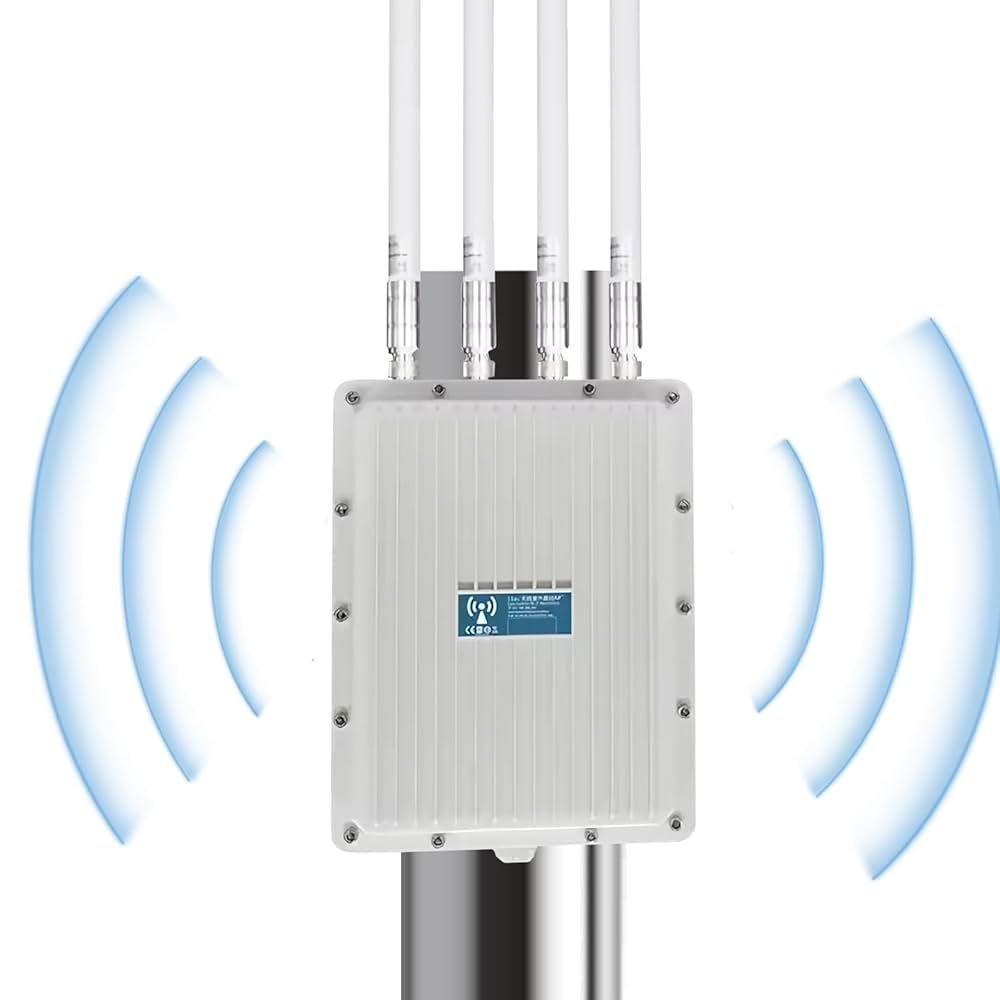
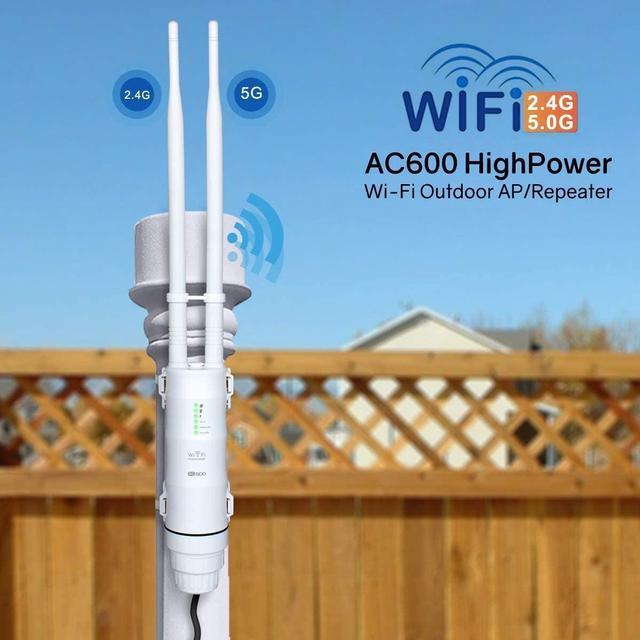
Outdoor WiFi extenders use weatherproof materialslike tough plastics and rubber. These materials help stop water and moisture from getting inside.
They have special sealing and protection mechanismssuch as rubber gaskets and tight seals. These keep out rain, dust, and humidity.
Some models include coatings to resist corrosioncaused by moisture. This helps the extender last longer in wet conditions.
- Strong casing blocks water and dust.
- Seals prevent moisture from entering the device.
- Corrosion-resistant parts fight rust.
- Designed to stay cool despite humidity.
Choosing Extenders For Humid Environments
Choosing the right outdoor WiFi extenderfor humid places means checking its IP rating. This rating tells how well the device resists water and dust. A rating of IP65or higher is best for wet, humid areas. It stops water drops and dust from damaging the extender.
Durabilitymatters too. Look for extenders made with strong, weatherproof materials. Metal or tough plastic cases last longer in harsh weather. They protect the inside parts from moisture and heat.
| IP Rating | Protection Level | Best For |
|---|---|---|
| IP54 | Limited dust, water spray | Mild humidity, light rain |
| IP65 | Dust tight, water jets | Heavy humidity, rain |
| IP67 | Dust tight, temporary water submersion | Very humid, wet areas |
Installation Tips In Humid Areas
Place the outdoor WiFi extender high above the ground for better signal. Avoid spots near large metal objects or thick walls that block signals. Keep the device away from dense trees and plants that can absorb WiFi waves. Choose locations with good air flow to reduce heat and moisture buildup.
To protect against moisture, use waterproof covers or enclosures made for electronics. Seal all cable connections tightly with weatherproof tape. Mount the extender slightly tilted to allow water to run off easily. Check the device regularly to remove dirt or spider webs that trap moisture.
Maintenance And Care
Outdoor WiFi extenders need regular cleaningto work well in humid places. Dirt and moisture can build up on the device. Use a soft cloth to wipe the surface gently. Avoid using water directly on the extender to stop damage.
Check the extender for any signs of rust or corrosion. These can block signals or cause the device to fail. Keep the device dry and in a shaded place if possible. Inspect cables and connections to make sure they are tight and not worn out.
- Reset the extender if the signal is weak or lost.
- Move the extender to a less humid spot if it keeps failing.
- Replace antennas if the signal range drops suddenly.
- Check power supply and cables for damage or loose parts.
Alternative Solutions For Tough Conditions
Mesh networks are a great choice for outdoor use in humid conditions. They create a strong web of WiFi signals that cover large areas well. Each device in a mesh system talks to others, helping signals jump past obstacles like walls or trees. This means fewer dead spots and better internet outside.
Wired options like Ethernet cables offer stable and fast connections. They are less affected by moisture than wireless signals. Powerline adapters send internet through your home’s electrical wiring. This can work well if you want to avoid running long cables outdoors.
| Solution | Benefits | Best Use |
|---|---|---|
| Mesh Networks | Strong coverage, good for large outdoor areas | Humid and obstacle-filled spaces |
| Wired Ethernet | Fast, stable, less affected by humidity | Fixed outdoor spots near buildings |
| Powerline Adapters | Uses existing wiring, easy setup | Indoor to near-outdoor areas |
Credit: www.newegg.com
Frequently Asked Questions
Can Outdoor Wifi Extenders Survive Humid Weather?
Yes, many outdoor WiFi extenders are designed with weatherproof materials. They can resist humidity, rain, and moisture effectively. Always check the IP rating to ensure it suits your local climate. Proper installation also helps prevent damage from humidity over time.
How Does Humidity Affect Outdoor Wifi Extender Performance?
High humidity can cause minor signal attenuation and corrosion risks. However, quality extenders have protective coatings to minimize these effects. Proper ventilation and waterproof casing help maintain stable performance even in humid conditions.
What Features Make Wifi Extenders Suitable For Humid Conditions?
Look for extenders with high IP ratings, corrosion-resistant materials, and sealed designs. These features prevent moisture intrusion and damage. Devices with UV protection and durable enclosures ensure longevity in humid outdoor environments.
Should I Use A Special Wifi Extender For Coastal Humidity?
Yes, coastal areas have salty, humid air which can corrode standard extenders. Choose models specifically rated for marine or coastal environments. These extenders use enhanced corrosion resistance and waterproofing to ensure reliable operation.
Conclusion
Outdoor WiFi extenders can work in humid conditions. They are often designed for durability. Look for waterproof and weather-resistant features. These features help them withstand moisture. Regular maintenance is key. Check for any signs of wear. Protect your device from extreme conditions.
Placement matters too. Keep it away from direct water exposure. Consider using protective covers if needed. Good placement and protection ensure better performance. Always choose a quality extender. Reliable brands offer better results. Stay connected, even in humid weather. A little care goes a long way.
Enjoy seamless internet outdoors.