Are you tired of losing your WiFi connection just when you step into your backyard? Imagine streaming your favorite music or finishing up work emails outdoors without any interruptions.
This dream can become a reality with outdoor WiFi extenders. However, you might be wondering—do these devices require a power outlet to work effectively? It’s a common question that can make or break your decision to enhance your outdoor internet experience.
We’ll explore whether outdoor WiFi extenders need a power outlet, helping you make an informed choice. Stick around to discover how you can enjoy seamless connectivity without any hassle.

Credit: www.youtube.com
How Outdoor Wifi Extenders Work
Outdoor WiFi extenders work by capturing the WiFi signalfrom your router and retransmitting itto areas with weak coverage. They help extend the wireless range, making the connection stronger in outdoor spaces.
Signal boostinghappens by amplifying the existing wireless signal. This means devices farther away can connect more reliably.
- Extenders need to be placed where they still catch a strong signal from the main router.
- Obstacles like walls, trees, or metal can reduce signal strength.
- Outdoor placement must protect the device from weather and damage.
Range depends on the extender’s power and antenna design. Outdoor extenders often have higher power and better antennas than indoor ones. This helps cover larger areas.
Power Options For Outdoor Wifi Extenders
Outdoor WiFi extenders need power to work. Most use wired power outlets. These outlets give a steady and strong power source. They are reliable but require a nearby electrical socket.
Battery-powered modelsoffer more freedom. They do not need to plug into a socket. You can place them anywhere, but batteries need charging or changing. This option suits places without easy power access.
Solar-powered extendersuse sunlight to create power. They are eco-friendly and work well in sunny spots. Solar panels charge the device during the day. This option reduces the need for wires or battery changes.
Pros And Cons Of Using Power Outlets
Reliable power supplyensures your outdoor WiFi extender works well. It keeps the signal strong and steady. Without power, the device can’t function. This means you need a nearby power outletor an alternative power source. Power outages can stop your extender, affecting your internet connection.
Installation challengesinclude finding a safe place for the extender and power source. Outdoor locations may lack easy access to outlets. Running cables over long distances can be tricky and may need extra tools or help. Weather conditions like rain or wind also affect installation.
Safety considerationsare very important. Electrical devices outside must be protected from water and heat. Use weatherproof outlets or covers to prevent accidents. Proper grounding can stop electric shocks. Always check local rules about outdoor electrical setups.
Alternative Power Solutions
Power over Ethernet (PoE)lets outdoor WiFi extenders get power and data through one cable. This means no need for a nearby power outlet. PoE is great for places where running power cables is hard. It keeps the setup neat and safe from weather.
Portable Battery Packsoffer a wireless power choice. These packs allow extenders to work anywhere without cables. They are easy to carry and recharge. Battery life depends on the pack size and extender use. Perfect for short-term or mobile use.
Choosing The Right Extender For Your Outdoor Space
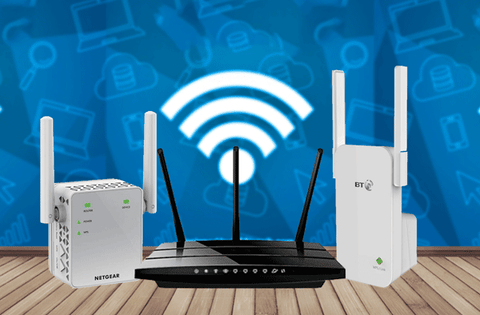
Outdoor WiFi extenders often need a power sourceto work properly. Some models plug into a standard power outlet. Others use batteriesor solar power. Check if your outdoor area has easy access to electricity. This helps decide the best extender type.
The environment also matters a lot. Rain, wind, and sun can affect extender performance. Look for devices with weather-resistant cases. Placement matters too. Avoid spots with heavy shadeor thick walls that block signals.
| Factor | Consideration |
|---|---|
| Power Source | Power outlet, battery, or solar options |
| Weather | Waterproof and durable design needed |
| Placement | Open area with minimal signal obstacles |
Credit: www.signalbooster.com
Installation Tips For Outdoor Wifi Extenders
Outdoor WiFi extendersusually need a power outletto work properly. Some models use Power over Ethernet (PoE), which means they get power through the Ethernet cable. This can be helpful when there is no power outlet nearby. Make sure to check the extender’s power needs before installation.
Place the extender where it can get both powerand a strong wifi signal. Avoid spots near large metal objects or thick walls. These can block the signal and reduce coverage.
- Choose a location with easy access to a power source.
- Use PoE if no power outlet is near.
- Mount the extender high for better signal spread.
- Keep it away from heavy electronic devices.
| Tip | Reason |
|---|---|
| Use PoE if no outlet is near | Power through Ethernet cable simplifies setup |
| Place extender high | Improves signal coverage and reduces obstacles |
| Avoid metal and thick walls | Prevents signal blockage |

Credit: www.ebay.com
Frequently Asked Questions
Do Outdoor Wifi Extenders Require A Power Outlet?
Yes, most outdoor WiFi extenders need a power outlet to operate. They typically use standard electrical power for consistent performance and range extension.
Can Outdoor Wifi Extenders Run On Batteries?
Some outdoor WiFi extenders support battery power, but it is rare. Battery-powered models offer flexibility but usually have limited runtime and power.
Is Power Over Ethernet (poe) An Option For Outdoor Extenders?
Yes, many outdoor WiFi extenders support Power over Ethernet (PoE). PoE provides power and data through a single cable, eliminating the need for separate outlets.
How Far Must Outdoor Wifi Extenders Be From Power Sources?
Outdoor WiFi extenders should be within reach of a power outlet or PoE injector. Distance depends on cable length and installation setup.
Conclusion
Outdoor WiFi extenders usually need a power outlet nearby. They rely on electricity to work well and boost your signal. Some models may use batteries, but those are less common. Planning the location carefully helps you find a power source easily.
This makes sure your WiFi stays strong outside. Choosing the right extender keeps your connection steady and fast. Think about power needs before buying to avoid problems later. Good WiFi outdoors means better coverage and happier internet use.