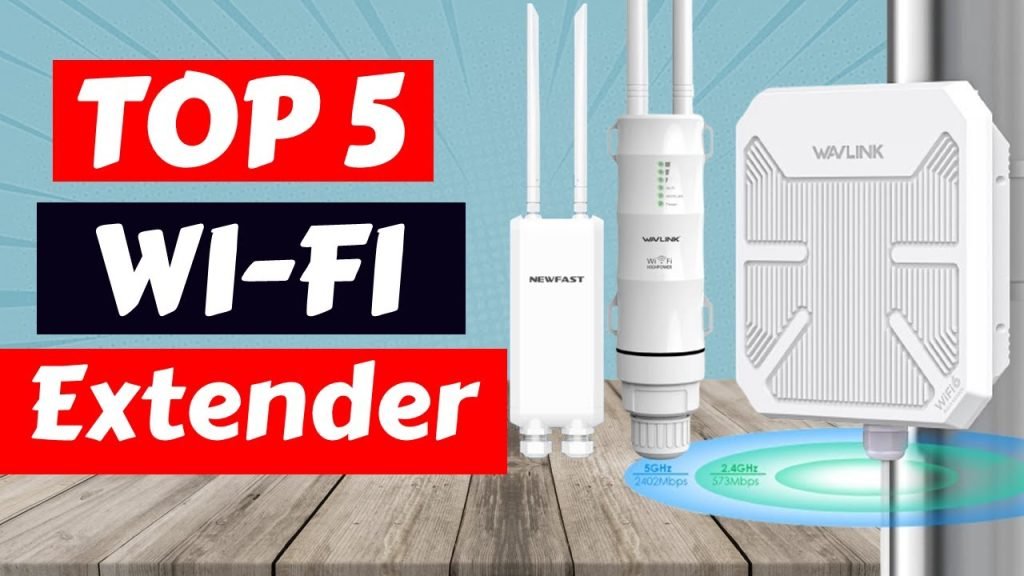
Are you struggling to get a strong WiFi signal outdoors? You might be wondering if outdoor WiFi extenders can boost your 5GHz connection.
This frequency promises faster speeds but often struggles with range. The good news? There are ways to improve your outdoor coverage without losing speed. You’ll discover how outdoor WiFi extenders work with 5GHz, what to expect, and how to choose the right setup for your needs.
Keep reading to take your WiFi experience beyond your walls and enjoy seamless internet wherever you are.

Credit: www.amazon.ca
How Outdoor Wifi Extenders Work
Outdoor WiFi extenderscatch signals from your main router. They boost the signal to reach far places outside your home. These devices help cover yards, gardens, or patios with WiFi.
Extenders take the existing WiFi and send it out again. This helps devices far from the router get a better connection. The extender uses antennas to pick and spread the WiFi signal.
Frequency Bands Explained
| Frequency Band | Speed | Range | Interference |
|---|---|---|---|
| 2.4 GHz | Slower | Longer | More common, more interference |
| 5 GHz | Faster | Shorter | Less common, less interference |
Most outdoor extenders support both 2.4 GHz and 5 GHz bands. Using 5 GHz helps with faster speeds but covers less area. 2.4 GHz covers wider spaces but is slower and more crowded.
Credit: www.amazon.ca
5ghz Frequency And Its Benefits
The 5GHz frequencyoffers faster speedsthan 2.4GHz. It supports better performancefor activities like streaming and gaming. Devices using 5GHz get less interferencefrom other electronics.
Despite its speed, the 5GHz signal has a shorter range. Walls and obstacles reduce its strength quickly. This makes it less ideal for large homes or outdoor areas.
| Aspect | Details |
|---|---|
| Speed | Higher than 2.4GHz, good for fast internet use |
| Interference | Less crowded, fewer signal drops |
| Range | Shorter, signal weakens with distance and walls |
| Best Use | Close to router, indoor use, high-speed tasks |
Compatibility Of Outdoor Extenders With 5ghz
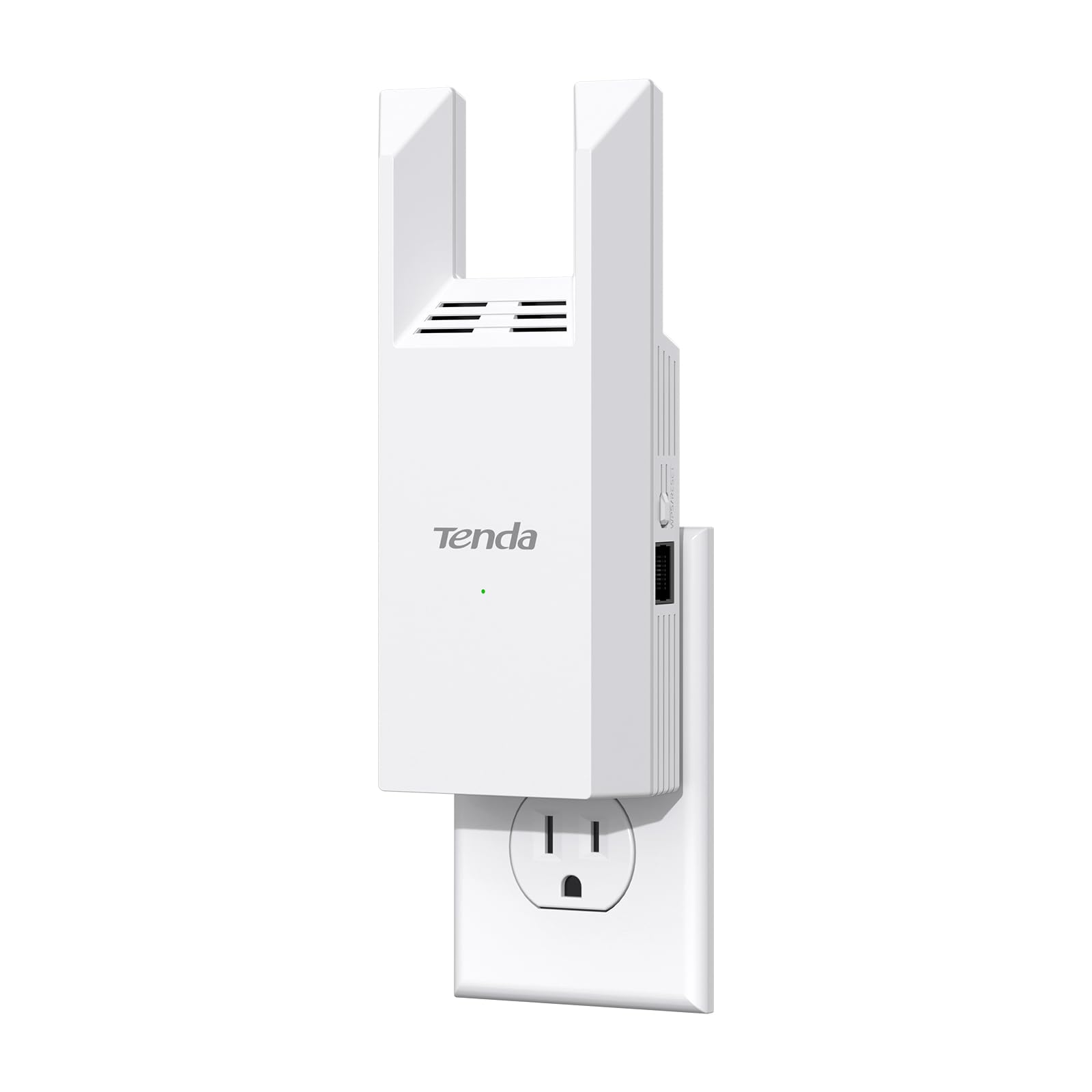
Outdoor WiFi extenders often support the 5GHz band, but compatibility depends on the type. Most modern extenders are dual-band, meaning they work with both 2.4GHz and 5GHz frequencies. This allows better speed and less interference on 5GHz.
Single-band extenders only support the 2.4GHz band. They cannot connect to 5GHz networks. This limits speed but may offer better range.
| Extender Type | Supports 2.4GHz | Supports 5GHz | Speed | Range |
|---|---|---|---|---|
| Single-Band | Yes | No | Lower | Higher |
| Dual-Band | Yes | Yes | Higher | Moderate |
Choosing the right extender depends on your network needs. Dual-band is better for speed and less interference. Single-band works well for longer distance but slower speeds.
Installation Tips For 5ghz Outdoor Extenders
Place the outdoor WiFi extender high and open. Avoid walls and metal objects. These block the 5GHz signal. Keep it near the area where you want better WiFi. The signal does not travel far on 5GHz, so closer is better.
Avoid placing the extender near devices that use the same 5GHz band. Microwaves, cordless phones, and baby monitors can cause interference. Trees and thick walls also reduce signal strength. Clear line of sight helps the signal travel better.
- Mount extender at least 6 feet above ground
- Stay away from large metal surfaces
- Keep distance from other wireless devices
- Ensure no thick walls block the path
Troubleshooting 5ghz Connectivity Issues
Signal dropsin 5GHz WiFi can happen due to walls or long distances. This frequency has a shorter range than 2.4GHz, so signals get weaker faster. Obstacles like metal or thick walls block the signal more. Moving the extender closer to the router or to a clear area can help.
Device compatibility problemsoccur when some devices do not support 5GHz bands. Older devices may only work on 2.4GHz. Check device specs to be sure. Also, some extenders do not fully support 5GHz, causing connection issues.
- Place extenders in open spaces for better signals.
- Check if your device supports 5GHz band.
- Update extender and device firmware regularly.
- Use the same network name (SSID) for both bands.
- Reduce interference from other electronics nearby.
Top Outdoor Wifi Extenders Supporting 5ghz
Outdoor WiFi extenders can support the 5GHz band for faster speeds and less interference. These devices boost your WiFi range while maintaining a strong 5GHz connection outdoors. Many models offer dual-band support to improve overall network performance.
Key Features To Look For
- Dual-band support:Extenders must work with both 2.4GHz and 5GHz bands.
- Weather resistance:Look for waterproof and dustproof models for outdoor use.
- High speed:Choose extenders with fast data rates to avoid slow connections.
- Range:A longer range covers larger outdoor areas effectively.
- Easy setup:Simple installation helps save time and effort.
- Strong antennas:Better antennas improve signal strength and stability.
Popular Models Review
| Model | 5GHz Support | Weatherproof | Max Speed | Range |
|---|---|---|---|---|
| TP-Link RE650 | Yes | No | 1900 Mbps | Up to 10,000 sq ft |
| NETGEAR Nighthawk X6 | Yes | No | 3000 Mbps | Up to 7,500 sq ft |
| EnGenius ENS202EXT | Yes | Yes | 300 Mbps | Up to 5,000 sq ft |
| Ubiquiti UniFi AC Mesh | Yes | Yes | 1300 Mbps | Up to 600 ft |
Enhancing Outdoor Wifi Performance
Mesh networkshelp extend WiFi signals over large outdoor areas. They use multiple nodes that talk to each other. This setup creates a strong and stable connection. Mesh systems support both 2.4GHz and 5GHz bands. The 5GHz band offers faster speeds but shorter range. Mesh nodes placed outdoors can improve coverage where signals are weak. This makes outdoor WiFi more reliable for devices like phones and laptops.
Regular firmware updateskeep WiFi extenders working well. Updates fix bugs and add new features. They also improve security and speed. Checking for updates often helps maintain good performance. Clean and dry extender placement prevents damage. Proper maintenance ensures your outdoor WiFi stays strong and safe.

Credit: www.amazon.ca
Frequently Asked Questions
Do Outdoor Wifi Extenders Support 5ghz Bands?
Yes, many outdoor WiFi extenders support 5GHz bands. This allows for faster speeds and less interference than 2. 4GHz. Always check the device specifications for 5GHz compatibility before purchasing.
How Does 5ghz Affect Outdoor Wifi Extender Range?
5GHz offers faster speeds but shorter range than 2. 4GHz. Outdoor extenders using 5GHz may cover less distance but deliver better performance nearby. For larger coverage, 2. 4GHz is often more effective.
Can Outdoor Wifi Extenders Improve 5ghz Signal Strength?
Outdoor WiFi extenders can boost 5GHz signals effectively. They amplify weak signals and extend coverage in open areas. Proper placement is crucial for optimal 5GHz signal improvement.
Are There Compatibility Issues With 5ghz Wifi Extenders?
Most modern outdoor WiFi extenders are compatible with 5GHz routers. However, older routers might not support 5GHz frequencies. Always ensure your router and extender operate on the same bands.
Conclusion
Outdoor WiFi extenders can work effectively with 5GHz networks. They boost your signal strength, improving connectivity outdoors. This means faster internet speed and reduced lag. Placement is key for optimal performance. Ensure the extender is within range of your main router.
Compatibility with your router’s frequency is crucial. Check specifications before purchasing. For large areas, multiple extenders might be needed. Remember, obstacles like walls can affect signal strength. Regular updates and proper setup can enhance performance. Outdoor WiFi extenders are a practical solution for better outdoor internet access.
Enjoy seamless browsing and streaming in your garden or backyard.