Are you struggling with weak WiFi signals in your backyard or garden? You might be considering an outdoor WiFi extender to boost that signal.
But there’s one question that often leaves people puzzled: do outdoor WiFi extenders need direct sunlight to work effectively? Before you invest in one, it’s crucial to understand how these devices function and how their placement can impact performance. We’ll uncover the truth about outdoor WiFi extenders and whether sunlight plays a role in their effectiveness.
Stick around, because finding the right spot for your extender could mean the difference between seamless streaming and endless buffering. Let’s dive into the details and get your WiFi working just the way you want it.
How Outdoor Wifi Extenders Work
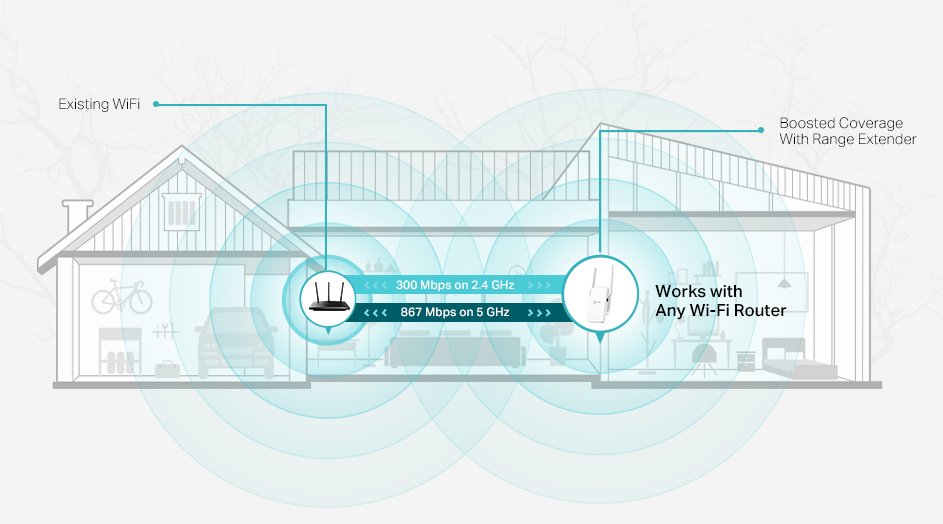
Outdoor WiFi extenders help spread your internet signal farther. They catch the WiFi from your main router and send it out again. This makes the WiFi reach places far from the house.
These devices use radio waves to send and receive data. The waves travel through the air and can be blocked by walls or trees. The stronger the signal, the better the connection.
- Basic Functionality:Connects to your router wirelessly or by cable.
- Signal Transmission:Sends WiFi signals to hard-to-reach outdoor areas.
- Works best when placed in open spaces without many obstacles.

Credit: www.ebay.com
Impact Of Sunlight On Wifi Extenders
Outdoor WiFi extenders do not need direct sunlightto work well. Too much sun can cause heat buildup, which may reduce the device’s performance. High temperatures can make the extender slow downor stop working properly.
Sunlight also contains UV raysthat can damage the extender’s case over time. This damage might cause cracks or fading. Protecting the device with a shadeor placing it under a roof can help it last longer.
- Heat can lower WiFi speed and reliability.
- UV rays may break down plastic parts.
- Shade helps keep the device cool and safe.
Placement Tips For Outdoor Wifi Extenders
Outdoor WiFi extenders work best when placed in open areaswith clear signals. Avoid placing them near thick walls or metal objects that block signals. Choose spots that are elevated, like on a pole or roof, to improve coverage.
- Keep the extender away from other electronics to reduce interference.
- Stay clear of dense foliage and large metal surfaces.
- Ensure a good distance from cordless phones and microwave ovens.
Weatherproofmodels are best for outdoor use. Protect the extender from heavy rain, snow, and extreme heat. Use covers or enclosures if needed but avoid blocking the antenna. Direct sunlight is not required and may cause overheating.
Credit: www.tp-link.com
Materials And Design For Sun Protection
Outdoor WiFi extenders often have weatherproof featuresto handle rain, wind, and sun. These features protect the device from damage and keep it working well.
Many extenders include built-in sun shields. These shields block direct sunlight, which can cause the device to overheat or fade. The shields help keep the extender cool and extend its life.
- Weatherproof casing stops water and dust.
- Sun shields reduce heat from direct rays.
- UV-resistant materials prevent sun damage.
- Designs allow airflow to avoid overheating.
Power Sources And Connectivity Options
Outdoor WiFi extenders need a power source to work properly. They can be powered by wiredor wirelessoptions. Wired power uses cables connected to an outlet or a power adapter. This method is stableand reliable but may need careful installation.
Wireless power options include solar panels or batteries. Solar panels need direct sunlightto charge efficiently. Batteries offer portabilitybut require regular charging or replacement.
| Power Source | Pros | Cons |
|---|---|---|
| Wired | Stable, Reliable | Needs cables, Installation needed |
| Wireless (Solar) | Portable, No cables | Needs sunlight, Weather dependent |
| Wireless (Battery) | Portable, Easy setup | Needs charging, Limited runtime |
Signal range can improve with good placement and antenna type. Keeping the extender away from walls and metal objects helps. Using extenders with strong antennas gives better coverage. Some models support dual-bandsignals for less interference.
Common Myths About Sunlight And Wifi Extenders
Outdoor WiFi extenders do not need direct sunlightto work well. They rely on a clear line of sight and good placement. Too much sun can actually damage the deviceor cause it to overheat. Shade or partial cover often helps keep the extender cool and safe.
Sunlight does not boost signal strength. WiFi signals use radio waves that pass through many materials. The signal depends more on distance, obstacles, and device qualitythan on light.
- Place extenders where they have a clear path to your router.
- Avoid places with thick walls or metal objects blocking signals.
- Use weatherproof devices designed for outdoor use.
- Keep the extender cool to prevent damage.
Maintenance For Outdoor Wifi Extenders
Outdoor WiFi extenders need regular cleaningto work well. Dust, dirt, and spider webs can block signals. Use a soft cloth and mild soap to clean the surface. Avoid harsh chemicals that can damage the device.
Look for any cracks or loose partsduring inspection. Tighten screws and replace damaged parts quickly. This helps keep the extender safe from rain and wind.
Overheating can cause performance dropsor damage. Keep the extender in a shaded place, away from direct sunlight. Good air flow around the device helps cool it down. Avoid placing it near heat sources like metal roofs or hot walls.

Credit: www.amazon.in
Frequently Asked Questions
Do Outdoor Wifi Extenders Require Direct Sunlight?
No, outdoor WiFi extenders do not need direct sunlight. They function well in shaded or covered areas. Direct sunlight exposure may cause overheating, reducing performance and lifespan. Proper ventilation and placement in a dry, shaded spot are ideal for optimal operation.
Can Sunlight Damage Outdoor Wifi Extenders?
Yes, prolonged direct sunlight can damage outdoor WiFi extenders. Excessive heat may cause internal components to overheat. This can lead to reduced signal strength and device failure. It’s best to install extenders in shaded, well-ventilated areas to avoid heat damage and ensure durability.
Where Should I Place Outdoor Wifi Extenders For Best Signal?
Place outdoor WiFi extenders in elevated, shaded locations with minimal obstructions. Avoid direct sunlight, metal objects, or thick walls nearby. A clear line of sight to your router improves signal strength. Proper placement enhances coverage and maintains device longevity.
Do Outdoor Wifi Extenders Work Better In Sunlight?
No, outdoor WiFi extenders do not work better in sunlight. In fact, direct sunlight can cause overheating and reduce performance. They perform best in shaded, ventilated areas where temperature is controlled. Sunlight exposure does not improve wireless signal quality.
Conclusion
Outdoor WiFi extenders do not need direct sunlight to work. Placing them in shaded, dry spots often helps them last longer. Avoid areas with too much heat or moisture. Strong signal and good speed depend on clear line of sight.
Keep the extender away from thick walls or metal objects. Proper placement ensures better coverage and fewer connection drops. Choose a spot that balances protection and signal strength. This simple step improves your outdoor WiFi experience.