Are you struggling to find the right router for your home? Choosing a router isn’t just about picking the latest model—it’s about matching it to your space.
The needs of a medium house are very different from those of a large house. Using the wrong router can lead to slow internet, dead zones, and frustration. You’ll discover the key differences between routers designed for medium and large houses.
By understanding these, you’ll make the best choice for your home and enjoy fast, reliable Wi-Fi everywhere. Keep reading to find out exactly what you need!
Credit: medium.com
Router Basics
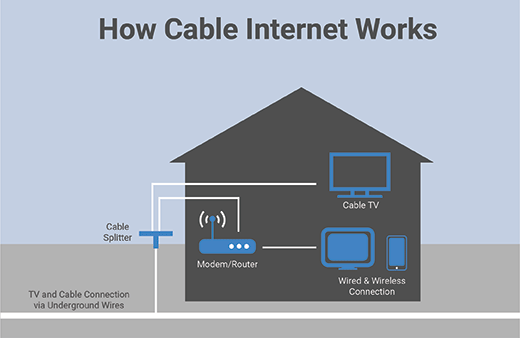
A routerconnects devices to the internet and each other. It sends data between your home and the web. Routers have many features to help with this task.
Core functionsinclude:
- Directing internet traffic smoothly.
- Providing Wi-Fi for devices.
- Creating a secure network.
- Managing data flow to avoid slowdowns.
Common featuresin routers for both medium and large houses:
- Multiple device support.
- Basic security tools like firewalls.
- Easy setup and management.
- Guest network options.
Credit: www.rtings.com
Medium House Router Needs
A medium house routershould cover about 1,500 to 2,500 square feet. This area is enough to reach all rooms without losing signal. The router must support a moderate number of devices, usually around 10 to 20. This includes phones, laptops, smart TVs, and other gadgets.
Speed needsdepend on internet use. For medium homes, speeds of 100 to 300 Mbps are often enough. This supports streaming, gaming, and video calls without lag. A router with good speed and stable connection is important for daily tasks.
Large House Router Needs
Extended coverageis essential for large houses. A router must reach every corner of the home. Walls and floors can block signals. So, a router with strong antennas or mesh support is needed.
Large houses often have many devices connected. Phones, tablets, smart TVs, and more. This means the router must handle high device densitywithout slowing down. More ports and better processing power help here.
Advanced speed featuresmatter a lot. Large homes need fast internet for streaming, gaming, and work. Routers with the latest Wi-Fi standards and dual or tri-band support provide smoother speeds and less interference.
Key Differences In Hardware
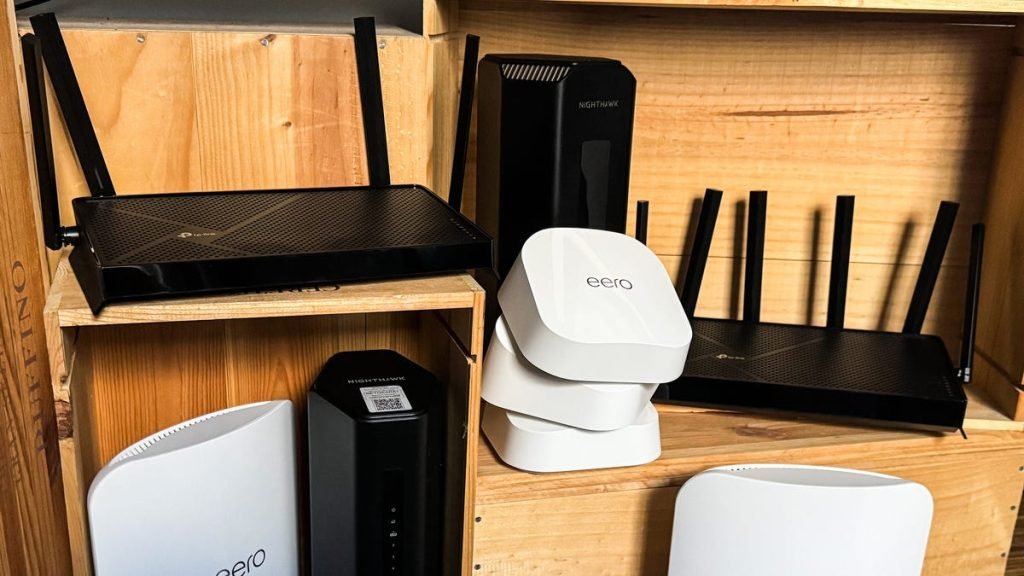
Antenna designvaries between routers for medium and large houses. Medium house routers usually have fewer antennas. Large house routers have multiple antennas to cover bigger areas. More antennas help in better signal strength and wider coverage.
Processor and RAMare stronger in routers for large houses. They handle many devices and heavy internet use. Medium house routers have simpler processors and less RAM. This is enough for fewer devices and smaller spaces.
| Ports and Connectivity | Medium House Router | Large House Router |
|---|---|---|
| Number of Ethernet Ports | 2-4 ports | 4-8 ports |
| Wi-Fi Bands | Dual-band common | Tri-band for less congestion |
| Other Features | Basic connectivity | Advanced options like MU-MIMO, QoS |
Software And Security Features
Software in routers for large houses often supports more devices and advanced security protocols. Medium house routers focus on basic protection and fewer connected devices. Security features vary to handle different network sizes and threats effectively.
Routers for medium houses have basic firmware. They support standard updates and settings. Large house routers offer advanced firmware options. They provide more control and customization. These routers often support multiple devices efficiently. Medium house routers have simple parental controls. They block basic websites. Large house routers offer advanced parental controls. They can set time limits and filter content. Parents can monitor usage more closely. Network security is crucial for all homes. Medium routers provide basic security. They protect against common threats. Large routers have advanced security features. They offer firewalls and antivirus protection. These features keep data safe and secure. `Installation And Setup
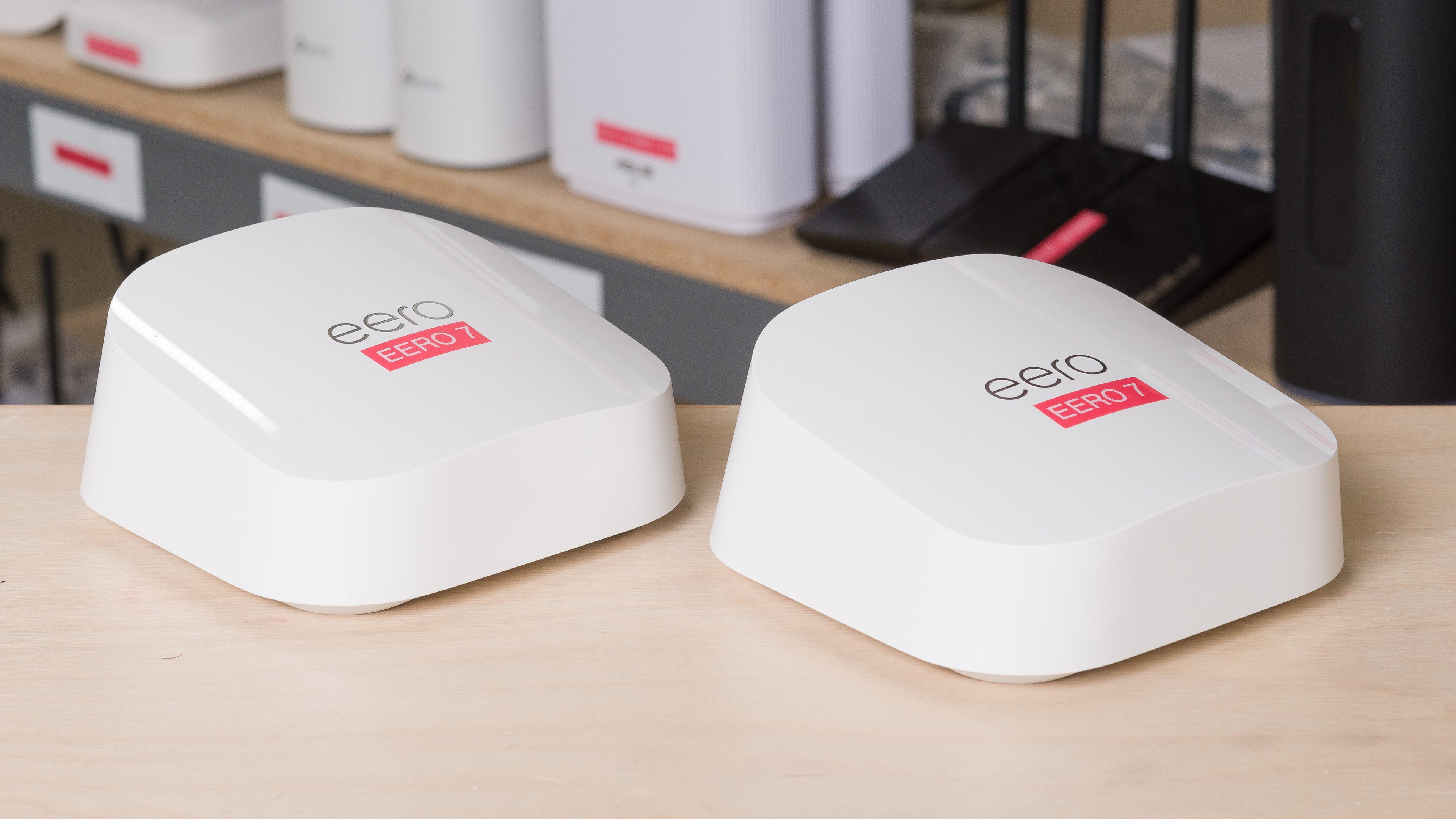
Proper placementof routers ensures strong Wi-Fi signals throughout the home. In a medium house, one single routerplaced centrally often works well. For a large house, a mesh systemwith multiple nodes is better. Mesh nodes should be placed in open areasto avoid signal blockages.
Setting up a single router is usually quick and simple. It requires connecting to a modem and following basic setup steps. Mesh systems might take longer to configure. They need syncing multiple devices for smooth coverage.
| Aspect | Medium House | Large House |
|---|---|---|
| Placement Strategy | Central location, one router | Multiple nodes, spread out |
| Router Type | Single router | Mesh system |
| Ease of Configuration | Simple setup | Requires syncing multiple devices |
Cost Considerations
The initial costfor a router in a medium houseis usually lower. These routers offer good speed and coverage for fewer rooms. Large houses need routers with stronger signals, which cost more upfront.
Long-term value depends on performanceand durability. A router for a large house might cost more but covers every corner well. This can reduce the need for extra devices later.
For medium houses:
- Lower price
- Adequate coverage
- Simple setup
For large houses:
- Higher price
- Wide coverage
- Advanced features

Credit: www.amazon.ca
Choosing The Right Router
Understanding your home’s layout is crucial. A medium house usually has fewer rooms. Walls and other barriers can block signals. Large houses often have multiple floors. This requires a more powerful router. The router’s range matters a lot. Choose one that covers all areas. Consider where you spend most time. Place the router centrally in your home. This helps in getting better signal strength.
Technology changes fast. A good router should be future-proof. Consider how many devices will connect. Large families have more devices. Routers should handle many connections. Look for routers with dual-band features. These provide better performance. Software updates are also important. They keep your router secure and efficient. Always check the router’s compatibility with future tech. This ensures long-term usability.
Frequently Asked Questions
What Router Features Suit Medium-sized Houses?
Medium-sized houses benefit from routers with moderate range and dual-band support. These routers handle multiple devices efficiently and provide stable Wi-Fi coverage without excessive power or cost.
How Do Routers For Large Houses Differ?
Routers for large houses offer extended range, higher power, and advanced features like mesh networking. They ensure consistent coverage across wide areas and multiple floors, reducing dead zones.
Is Mesh Wi-fi Better For Large Homes?
Yes, mesh Wi-Fi systems are ideal for large homes. They use multiple nodes to blanket the entire house with strong, seamless Wi-Fi, eliminating weak signal spots.
Can A Medium House Router Support Many Devices?
Typically, yes. Medium house routers support a fair number of devices but may struggle with heavy traffic. Large house routers handle more devices simultaneously without speed loss.
Conclusion
Choosing the right router depends on your house size and internet needs. Medium houses need routers with good range but fewer features. Large houses require stronger routers to cover bigger spaces without drops. Signal strength and device support matter a lot.
Picking the correct router helps keep your internet fast and steady. Remember, a good router makes online life easier and more reliable. Think about your home’s layout before buying. This simple step saves time and avoids frustration.