Are you tired of slow WiFi and dead zones in your home? You deserve fast, reliable internet everywhere you go.
But finding a mesh WiFi system that won’t break the bank can feel overwhelming. This guide is made just for you. We’ll show you how to get the best budget WiFi mesh performance without spending a fortune. By the end, you’ll know exactly what to look for to boost your internet speed and coverage.
Ready to transform your WiFi experience? Let’s dive in.
Credit: www.engadget.com
Choosing Budget Wifi Mesh Systems
Finding a good wifi mesh system on a budget is easier than you think. These systems help cover your home with strong wifi signals.
Before buying, learn what features matter most. This guide will help you pick the best option without spending too much.
Key Features To Consider
Look for easy setup and strong signal range. A system that supports many devices is useful. Check if it has good security features to keep your data safe.
- Easy installation process
- Wide coverage area
- Supports multiple devices
- Strong security options
- Good speed and reliability
Top Affordable Brands
Some brands offer reliable mesh systems at low prices. Look for brands with good reviews and solid customer support.
- TP-Link
- Netgear
- Google Nest Wifi
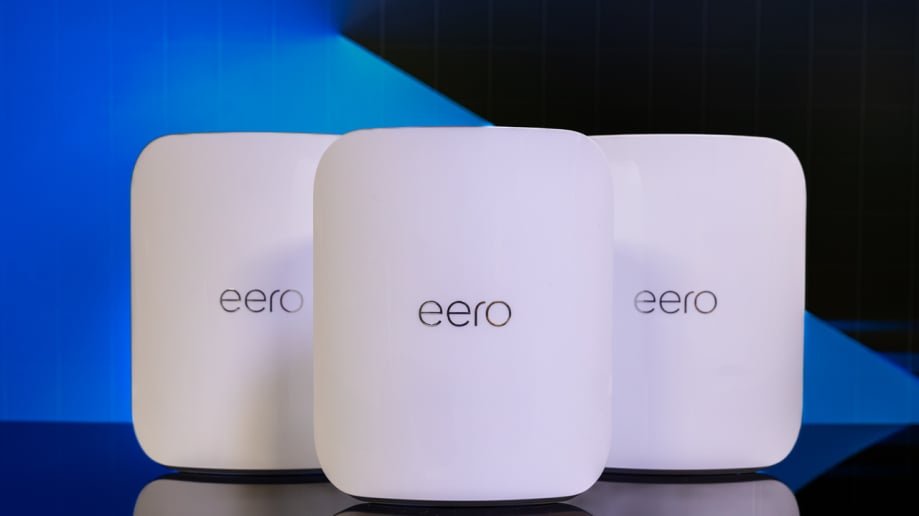
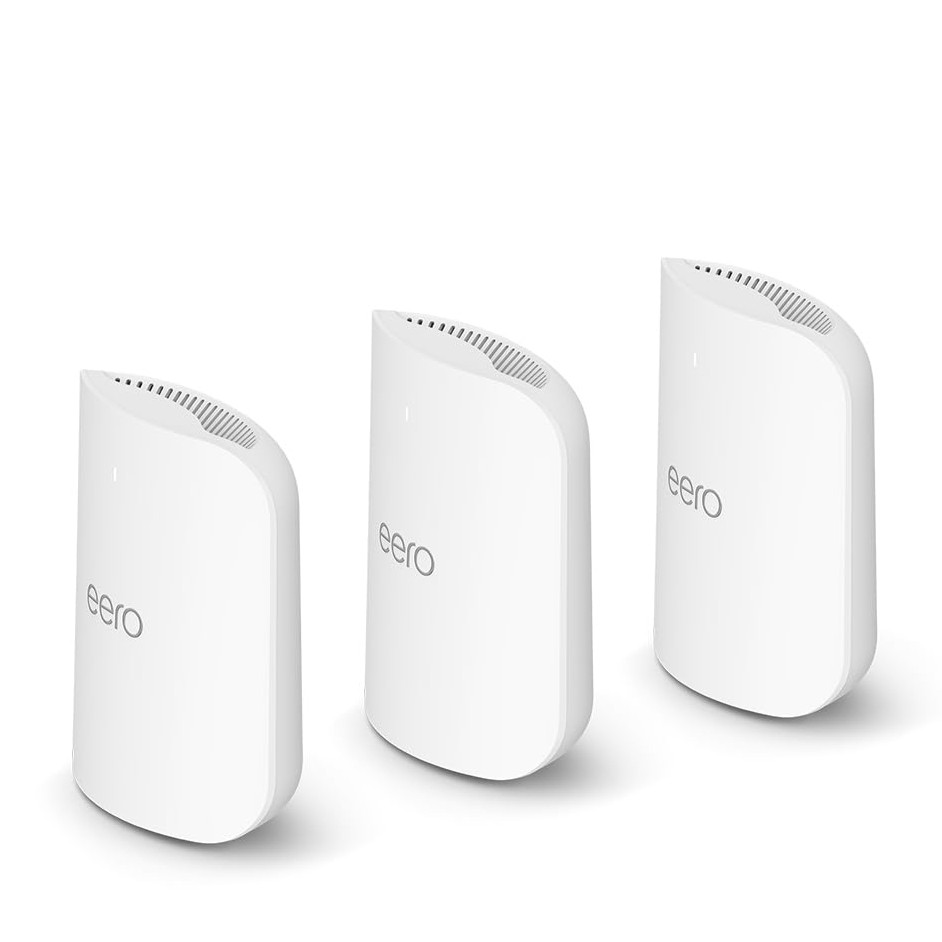
- Amazon Eero
- Linksys
Comparing Price And Performance
Price does not always mean better performance. Check the table below to compare popular budget mesh systems.
| Brand | Price Range | Coverage Area | Max Devices Supported | Security Features |
|---|---|---|---|---|
| TP-Link Deco | $100 – $150 | 3,000 sq ft | 100+ | WPA3 encryption |
| Netgear Orbi | $120 – $180 | 3,500 sq ft | 60+ | Guest network, WPA2 |
| Google Nest Wifi | $130 – $170 | 3,200 sq ft | 100+ | Automatic updates, WPA3 |
| Amazon Eero | $90 – $160 | 3,000 sq ft | 75+ | WPA2, automatic updates |
| Linksys Velop | $110 – $160 | 3,000 sq ft | 50+ | WPA2, guest access |
Optimizing Mesh Network Placement
Good mesh network placement helps your WiFi work better. It makes your internet faster and covers more space.
Placing routers and nodes in the right spots stops weak signals and connection drops. This guide shows how to do it well.
Ideal Router Locations
Place your main router near the center of your home for even coverage. Avoid corners or basements where signals get weak.
Keep the router on a high shelf or table. This helps the signal travel without many obstacles.
- Center of the house is best
- High and open places improve signal
- Away from thick walls and metal objects
Avoiding Signal Interference
Other electronics can block or weaken your WiFi signal. Keep routers away from microwaves, cordless phones, and baby monitors.
Large metal objects and thick walls also cause interference. Try to place mesh nodes where signals can pass easily.
- Keep devices that use radio waves away
- Do not place routers near metal shelves or mirrors
- Choose open spaces with fewer walls
Using Mesh Nodes Effectively
Mesh nodes extend your WiFi coverage. Place them where the main router signal is still strong.
Avoid placing nodes too far from each other. They need to communicate well to keep the network stable.
- Place nodes halfway between router and dead zones
- Keep nodes in open areas for better signal flow
- Use the same height as the router for best results
Boosting Speed On A Budget
Getting faster wifi does not have to cost a lot. You can improve your mesh network speed with smart steps.
This guide shows easy ways to boost wifi speed without big spending.
Firmware Updates And Settings
Keep your mesh system’s firmware up to date. Updates fix bugs and improve performance. Check the settings to optimize speed.
- Check for firmware updates regularly.
- Enable automatic updates if available.
- Adjust QoS (Quality of Service) settings to prioritize important devices.
- Disable unused features that can slow down the network.
Channel Selection Tips
Wifi channels affect your connection speed. Pick the best channel for your area to avoid interference.
| Channel Type | Best Use Case |
| 2.4 GHz Channels 1, 6, 11 | Less interference, longer range |
| 5 GHz Channels 36-48 | Good speed, less crowded |
| 5 GHz Channels 149-165 | Higher power, better for busy areas |
Managing Connected Devices
Too many devices slow your wifi. Manage what connects to keep speed high.
- Limit the number of active devices on the network.
- Disconnect devices not in use.
- Use guest networks for visitors to separate traffic.
- Check device bandwidth use and prioritize key devices.

Credit: www.pcmag.com
Extending Coverage Without Extra Costs
Improving your WiFi coverage does not always need new devices. You can extend your network by using what you already have. This guide shows simple ways to spread WiFi signals at no extra cost.
Small changes at home or office can boost your mesh network. Let’s explore how to use existing hardware, create DIY extenders, and place routers smartly.
Leveraging Existing Hardware
You might already own devices that can help widen your WiFi range. Many old routers or access points can work as mesh nodes or extenders.
- Check if your old router supports bridge or repeater mode.
- Update the firmware to get the latest features.
- Connect old devices via Ethernet to act as stable mesh points.
- Use WiFi settings to avoid channel conflicts between devices.
Diy Range Extenders
You can make simple WiFi extenders with common household items. These can boost signal strength and direct WiFi waves better.
Simple DIY Extender Ideas
- Use aluminum foil behind antennas to focus signals.
- Place a metal can around the antenna to increase range.
- Build a cardboard parabolic reflector to guide WiFi waves.
These tricks cost almost nothing and help improve coverage in weak spots.
Smart Placement Strategies
Where you put your routers and nodes matters a lot. Good placement avoids signal blockages and covers more area.
| Placement Tip | Reason |
| Place routers high up | Signals spread better from higher points |
| Avoid walls and metal objects | They block or weaken signals |
| Keep devices away from microwaves and cordless phones | These cause interference |
| Position mesh nodes halfway between router and dead zones | Ensures steady signal flow |
Troubleshooting Common Mesh Issues
Wifi mesh systems can sometimes face issues that affect their performance. This guide will help you troubleshoot common problems with your mesh network.
Understanding these issues can improve your network’s reliability and speed. Let’s dive into some common problems and their solutions.
Identifying Connectivity Problems
Connectivity problems can disrupt your internet usage. Spotting the signs early can help you fix them quickly.
Check if your devices frequently disconnect or if certain areas have no signal. This can indicate a connectivity issue in your mesh network.
- Ensure your mesh nodes are placed properly
- Check for physical obstructions like walls
- Verify all devices are updated
Fixing Slow Speeds
Slow internet speeds can be frustrating. Identifying the cause can help restore your network speed.
Test your internet speed using online tools. Compare it to your internet plan to see if there is a mismatch.
- Ensure your router firmware is up to date
- Reduce the number of connected devices
- Check for bandwidth-heavy applications
Reset And Reconfiguration Tips
Sometimes, a reset is needed to solve persistent issues. Reconfiguring your mesh can also improve performance.
Before resetting, make a note of your current settings. This helps in reconfiguration later.
- Press the reset button on your mesh nodes
- Reconfigure your network settings
- Re-add your devices to the network
Future-proofing Your Budget Mesh Network
Setting up a budget mesh network means thinking about future needs. You want your network to last and keep working well.
Planning for new technologies and upgrades helps your mesh system stay useful. This guide shows how to do it smartly.
Preparing For New Technologies
New Wi-Fi standards and devices come out all the time. Pick mesh systems that support the latest standards.
Look for features like Wi-Fi 6 or Wi-Fi 6E. They improve speed and handle many devices better.
- Check if the system supports future Wi-Fi versions
- Choose devices with firmware updates available
- Consider mesh nodes with USB or Ethernet ports
Scalable Network Options
A good mesh network grows with your needs. Start small and add more nodes easily.
Choose mesh systems that let you connect extra units without replacing your whole setup.
- Pick brands that support adding nodes freely
- Use mesh units that work well together
- Plan coverage areas to avoid dead zones
Balancing Cost And Upgrades
Keep costs low while planning for future upgrades. Avoid expensive models with features you do not need.
Save money by buying a good base system and upgrading parts later as needed.
- Set a budget and stick to it
- Focus on essential features first
- Upgrade firmware instead of hardware when possible
Credit: www.tomsguide.com
Frequently Asked Questions
What Is The Best Budget Wifi Mesh System For Performance?
The best budget WiFi mesh system balances cost and speed. Look for models offering dual-band support and easy setup. Brands like TP-Link and Google Nest provide reliable coverage at affordable prices. Prioritize systems with strong user reviews for consistent performance in larger homes.
How Does Wifi Mesh Improve Home Network Performance?
WiFi mesh systems use multiple nodes to extend coverage. They eliminate dead zones by creating a seamless network. This improves speed and reliability across your home. Mesh networks handle multiple devices better than single routers, enhancing overall performance without breaking your budget.
Can Budget Wifi Mesh Systems Support Multiple Devices?
Yes, many budget WiFi mesh systems support multiple devices efficiently. They distribute bandwidth evenly, preventing slowdowns. Look for systems with at least AC1200 speeds for smooth streaming and gaming. Proper node placement is key to maintaining strong connections for all users.
Is Setup Difficult For Budget Wifi Mesh Systems?
No, most budget WiFi mesh systems offer easy setup. They come with user-friendly apps guiding you through installation. The process usually involves placing nodes and connecting via smartphone. Even beginners can quickly establish a robust home network without technical expertise.
Conclusion
Choosing the right budget WiFi mesh system can improve your home internet. Good coverage helps you stay connected everywhere. Simple setup saves time and avoids frustration. Focus on performance and price to get the best value. Remember, even affordable options can offer strong signals.
Test your network to ensure it meets your needs. Enjoy faster, stable internet with the right mesh system. Your online experience will feel smoother and more reliable.