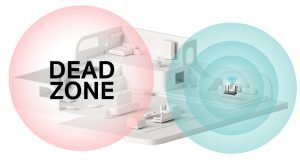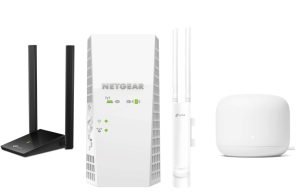
Are you struggling to get strong WiFi signals in every corner of your home? You might be wondering if a Tri Band WiFi extender can connect to another extender to boost your coverage even more.
This question is common for anyone trying to eliminate dead zones and enjoy fast, reliable internet everywhere. You’ll discover how these devices work together, what you need to know before setting them up, and whether stacking extenders is the right solution for your WiFi woes.
Keep reading to unlock the secrets of stronger, smoother internet at your fingertips.

Credit: www.amazon.ca
Tri Band Wifi Extender Basics
A Tri Band Wifi Extenderuses three separate frequency bands to boost internet signals. It has one 2.4 GHz band and two 5 GHz bands. This helps devices connect faster and with less interference.
With Tri Band Technology, devices enjoy better speed and less lag. It can handle more devices at once without slowing down. The extender sends data over one 5 GHz band, while devices use the other bands. This way, the main router and devices don’t fight for the same signal.
- Improved speed:Faster internet for all devices.
- Less interference:Reduces signal drop and delays.
- More device support:Connect many gadgets easily.
- Stronger coverage:Extends WiFi to hard-to-reach places.

Credit: www.reddit.com
How Wifi Extenders Work
Wifi extenders help increase the range of your wireless network. They catch the original wifi signal and send it further. This helps reach places where the wifi is weak or does not work well.
The signal boosting mechanismworks by receiving wifi from your router. Then, it amplifies and retransmits the signal to cover more area. This process can reduce dead zones in your home or office.
Wifi extenders use different frequency bandsto send and receive data. Most modern extenders, like tri-band ones, use three bands:
- 2.4 GHz:Good for long distance but slower speed.
- 5 GHz (two bands):Faster speed but shorter distance.
These bands help manage traffic and improve connection quality. The tri-band extender uses one 5 GHz band to connect to the router and the other two bands to connect to devices or another extender.
Connecting Multiple Extenders
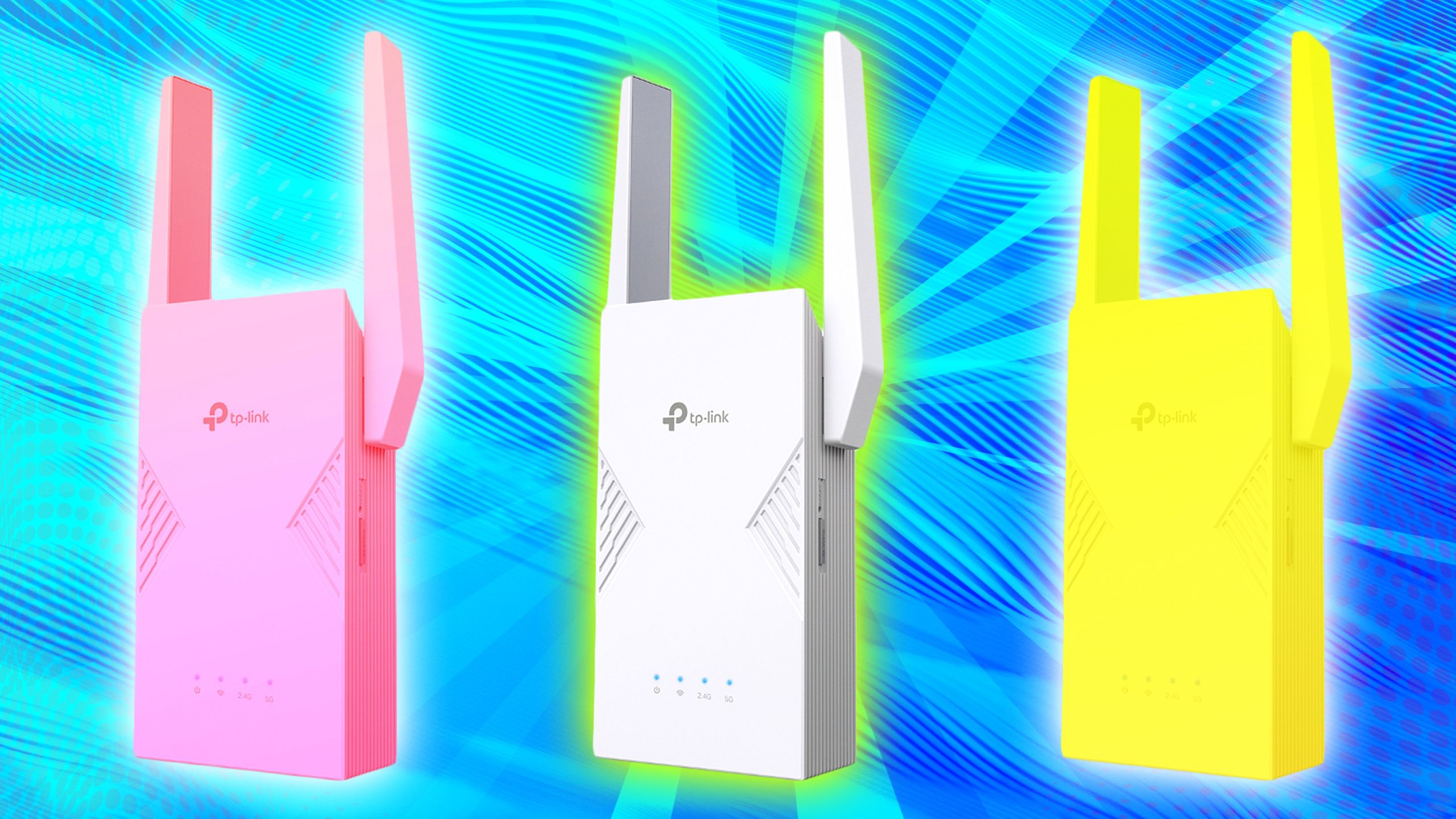
Connecting a tri-band WiFi extender to another extender is possible but not very common. This setup is often called daisy chaining. It can help increase the WiFi range in large spaces.
One main point: the second extender must support connection to another extender. Many extenders are designed to connect only to the main router.
Common setup methods for extending WiFi include:
- Connecting the extender directly to the router for the best speed.
- Using a wired connection between extenders for stable performance.
- Placing extenders carefully to avoid weak signals or interference.
| Setup Type | Pros | Cons |
|---|---|---|
| Single Extender | Simple setup, good speed | Limited range |
| Daisy Chaining Extenders | Wider coverage | Possible speed drop, complex setup |
| Wired Backhaul | Stable and fast connection | Needs cables, harder installation |
Credit: www.pocket-lint.com
Tri Band Extender With Another Extender
Tri band extenders can connect to another extender but compatibilityis key. Both devices must support similar standards like 802.11acor 802.11ax. Using different brands may cause issues with connection stability. Settings such as SSIDand passwordmust match for smooth operation.
Potential signal issues arise when extenders are too far apartor placed in weak signal zones. This can cause slow internet speedsor frequent disconnections. Interference from other devices or walls may also affect performance.
| Factor | Importance | Effect |
|---|---|---|
| Device Standard | High | Ensures proper communication |
| Signal Strength | High | Maintains stable connection |
| Placement | Medium | Reduces interference |
| SSID and Password | High | Allows seamless connection |
Performance Impact
Speed and latencycan drop when a tri-band extender connects to another extender. This happens because the signal has to travel through multiple devices. Each device adds a small delay and reduces the overall speed.
Devices share the same wireless channels, which may cause interference. This interference can slow down your internet and cause lagin streaming or gaming.
Bandwidth is split between extenders. This means less bandwidth for your devices. The more extenders connected, the less speed you will get.
- Latency increases due to extra signal hops
- Bandwidth is shared, reducing speed
- Interference from multiple devices can cause connection issues
Setup Tips For Multiple Extenders
Place extenders where the WiFi signal is still strong. Avoid walls or large metal objects blocking the signal. Keep extenders away from microwaves and cordless phones that cause interference. Each extender should cover a different area to expand the network well.
Network loops happen when devices connect in a circle, causing slowdowns or crashes. To avoid loops, connect the second extender to the main router or the first extender only. Do not connect extenders directly to each other in a circle. Use different WiFi channels for each extender to reduce interference.
Alternative Solutions
Tri-band WiFi extenders can sometimes connect to another extender, but signal strength may drop. Using wired connections or mesh systems often works better for stable coverage.
Mesh Wifi Systems
Mesh Wifi Systemscreate a single network with many devices called nodes. Each node talks to others, giving a strong signal everywhere. They work well in big homes or places with many walls. No need to connect one extender to another. The system manages connections smoothly. Setup is easy, often with a simple app. Mesh systems keep your internet fast and stable.
Powerline Adapters
Powerline Adaptersuse your home’s electrical wires to send internet signals. Plug one adapter near your router. Plug another where you need internet. This method can reach places where wifi is weak. No need for extra cables or complex setup. Speeds depend on your home’s wiring quality. A good choice for hard-to-reach rooms.
Frequently Asked Questions
Can A Tri Band Wifi Extender Connect To Another Extender?
Yes, a tri band WiFi extender can connect to another extender. It uses a dedicated backhaul band to improve connection. This setup helps expand network coverage but may reduce overall speed slightly.
Does Connecting Two Extenders Reduce Wifi Speed?
Connecting two extenders can reduce WiFi speed due to signal interference. Each extender rebroadcasts the signal, which may cause latency and slower performance. Using tri band extenders minimizes this issue by separating data and backhaul channels.
How To Set Up A Tri Band Extender With Another Extender?
To set up a tri band extender with another, connect the first extender to your router. Then, link the second extender to the first via the dedicated backhaul band. Follow the manufacturer’s instructions for optimal placement and configuration.
What Are The Benefits Of Using Tri Band Extenders Together?
Using tri band extenders together enhances coverage and reduces congestion. The third band acts as a dedicated backhaul, boosting speed and stability. This setup is ideal for large homes or offices needing seamless WiFi throughout.
Conclusion
Tri band WiFi extenders can connect to another extender. This setup helps boost your WiFi coverage. It can eliminate dead zones in your home. Check compatibility before setting up the connection. Proper placement is key for optimal performance. Place extenders strategically for best results.
Ensure your devices support tri band technology. This setup can improve your internet experience. Enjoy seamless browsing and streaming. No more weak signals or interruptions. A well-planned network can enhance connectivity. Keep your WiFi network strong and reliable. Stay connected in every corner of your home.
Consider this setup for better coverage.