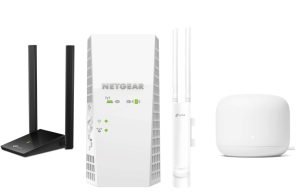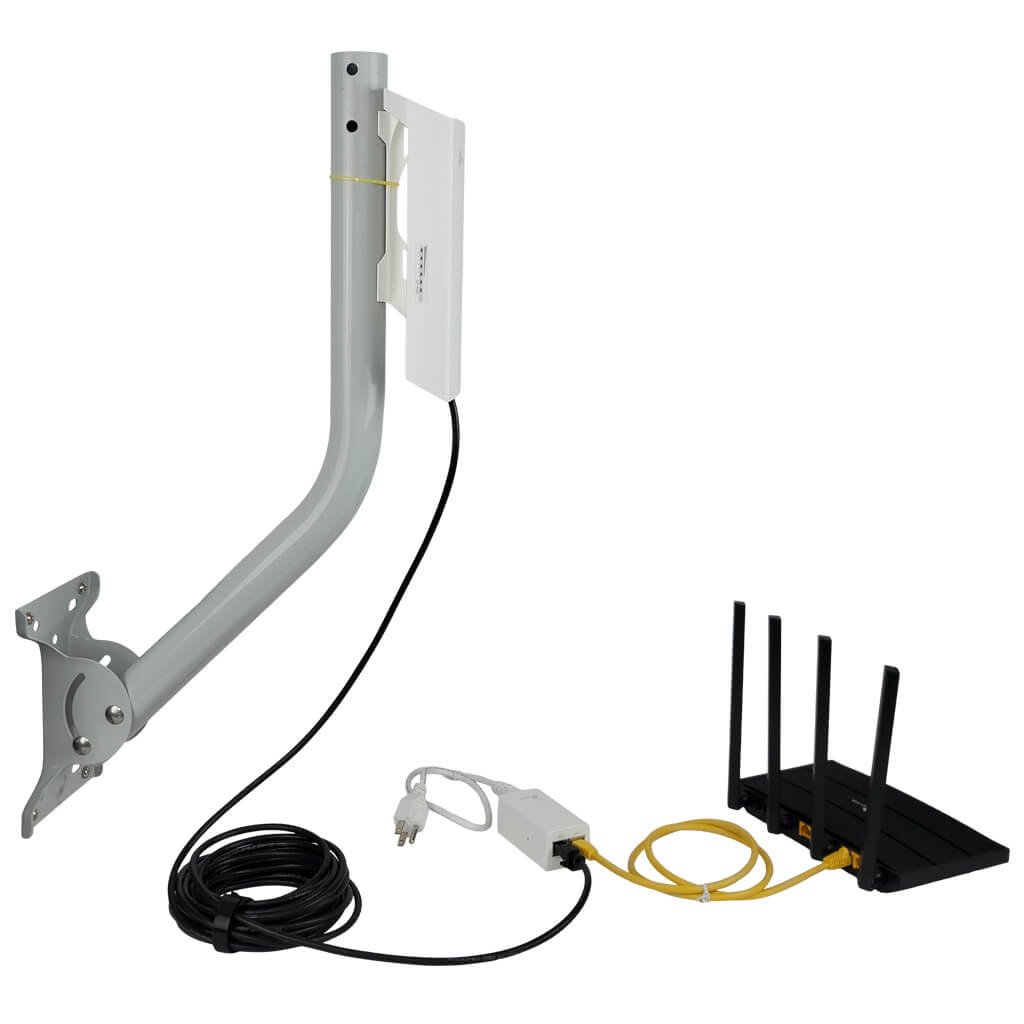
Have you ever struggled with weak WiFi signals in certain rooms of your home? You’re not alone.
Many people find themselves dealing with frustrating dead zones, where their devices just can’t seem to connect. This is where long-range WiFi extenders come into play. But can they really work through walls, or is that just a myth? Imagine being able to stream your favorite shows, work from home without interruptions, or enjoy seamless video calls, all without stepping out of your comfy spot.
Intrigued? Let’s dive deeper into whether these devices can truly transform your connectivity issues and how they might just be the solution you’ve been searching for.
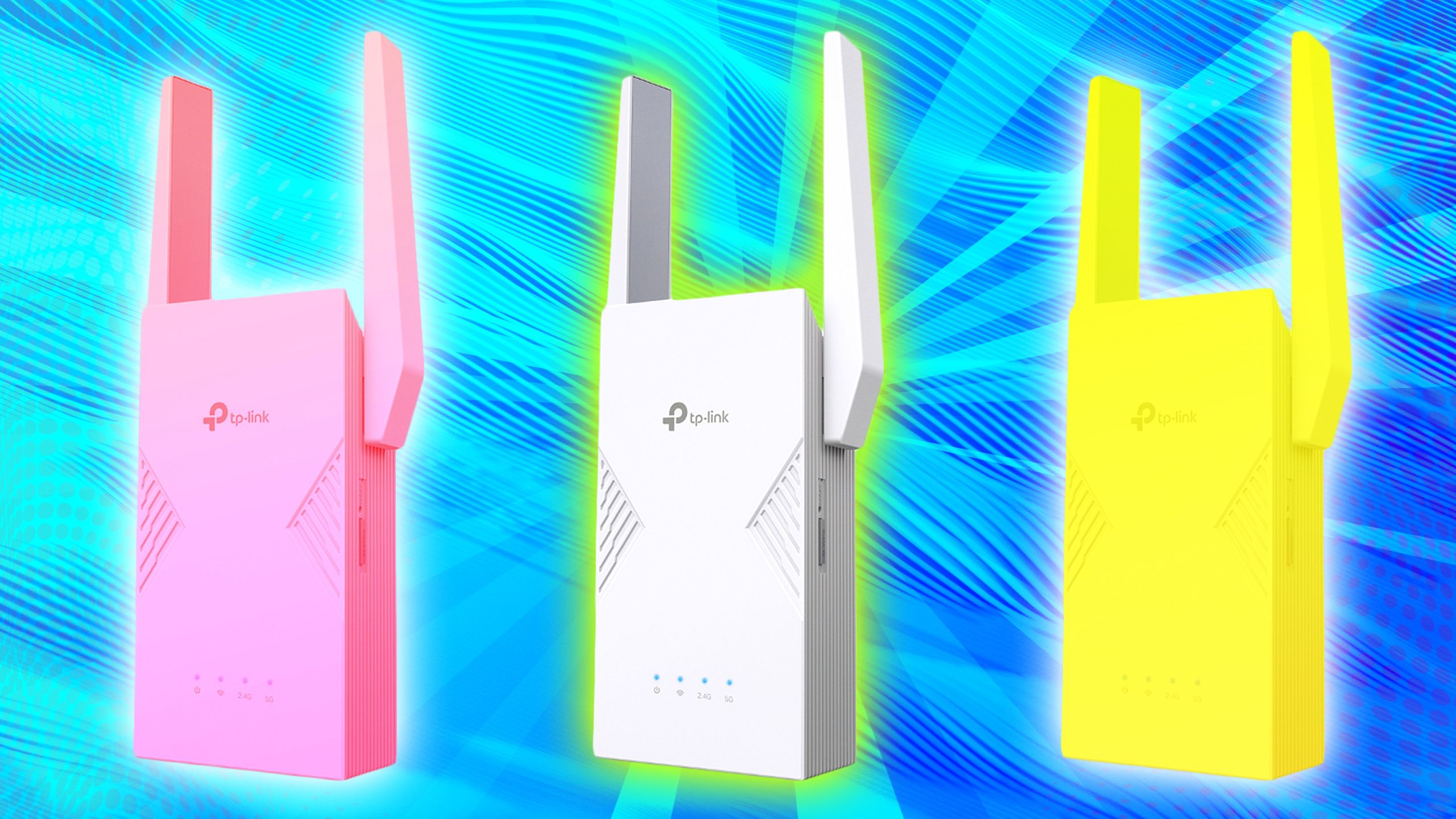
Credit: www.pocket-lint.com
How Wifi Extenders Work
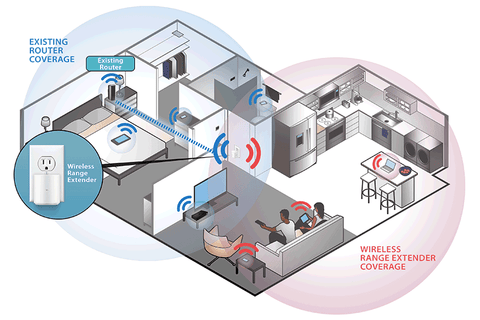
WiFi extenders help by catching the weak WiFi signaland sending it further. They work like a middle pointbetween the router and your device. This helps cover bigger areas with better internet.
Signals can be blocked or weakened by walls. Thick or metal walls make it hard for signals to pass through. Extenders boost the signal, but some loss happens through walls.
| Type | Description | Best For |
|---|---|---|
| Repeater | Copies and sends the same signal. | Small homes with few walls. |
| Powerline Extender | Uses home wiring to send signal. | Houses with thick walls. |
| Mesh Extender | Creates a network with many points. | Large areas needing strong coverage. |
Challenges Of Walls In Wifi Signals
Walls can cause weak WiFi signals. Different materials block signals in various ways.
Brick and concretewalls are tough and can reduce signal strength a lot. Thin walls like drywall or wood let signals pass easier but still cause some loss.
| Wall Material | Signal Attenuation Level | Effect on WiFi |
|---|---|---|
| Concrete | High | Strong signal loss, weak connection |
| Brick | Medium to High | Reduces range and speed |
| Wood | Low | Minor signal reduction |
| Drywall | Low | Signals pass fairly well |
| Metal | Very High | Blocks signals almost completely |
Signal loss depends on wall thickness and material type. More walls mean weaker signals.
Long Range Wifi Extenders And Walls
Long range WiFi extenderscan help boost signals in large areas. Walls, though, affect their performance. Different walls block signals in different ways. For example:
- Drywalllets WiFi pass easily with little loss.
- Brick wallsreduce signal strength more than drywall.
- Concrete or stone wallsblock WiFi the most.
Distance also matters. The further the extender is from the router, the weaker the signal. Walls add to this problem by making the signal weaker faster.
| Wall Type | Signal Loss | Impact on Range |
|---|---|---|
| Drywall | Low | Extends range well |
| Brick | Medium | Reduces range significantly |
| Concrete/Stone | High | Greatly limits range |
Credit: www.signalbooster.com
Placement Tips For Better Coverage
Place the extender where it gets a strong signal from your router. Walls can block WiFi signals, so keep the extender close enough to the router but also near the area needing coverage. Avoid placing it too far from both ends.
Keep the extender away from devices that cause interference. Microwaves, cordless phones, and baby monitors can weaken the signal. Metal objects and thick walls also reduce WiFi strength.
- Choose a spot halfway between the router and the weak signal zone.
- Place the extender high, like on a shelf, to avoid obstacles.
- Avoid corners or enclosed spaces where signals can get trapped.
- Check for other electronics that might cause interference and move the extender away.
Alternatives To Wifi Extenders
Long range WiFi extenders can struggle to pass strong walls and thick barriers. Alternatives like mesh WiFi systems or powerline adapters offer better coverage in tough spaces. These options create more reliable connections through walls and over larger distances.
Mesh Wifi Systems
Mesh WiFi systemsuse several devices to spread WiFi evenly. They create one big network with many access points. This helps cover large areas and works better through walls. Each device talks to others to keep a strong signal. Easy setup and good speed make mesh systems popular. They can cover your whole home without many dead spots.
Powerline Adapters
Powerline adapters send internet through your home’s electrical wires. You plug one adapter near your router and another where you want better WiFi. This method uses existing wiring, so walls don’t block the signal. It’s a simple way to get internet in hard-to-reach rooms. Powerline adapters work well if WiFi signals struggle to pass through thick walls.
Testing And Troubleshooting
Signal strength is key to knowing if your WiFi extender works through walls. Use a WiFi analyzer app or device to check signal levels. A strong signal usually means the extender works well despite walls.
Common issues include:
- Weak signal:Walls and furniture block signals. Try moving the extender closer.
- Interference:Other electronics can disturb WiFi. Keep the extender away from microwaves and cordless phones.
- Wrong placement:Avoid basements or behind thick walls.
- Outdated firmware:Update your extender’s software regularly for best performance.
Fixes are simple:
- Place the extender in open areas.
- Reduce obstacles between the router and extender.
- Restart devices to clear glitches.
- Use the right WiFi channel to avoid interference.

Credit: simplewifi.com
Frequently Asked Questions
Can Long Range Wifi Extenders Penetrate Walls Effectively?
Long range WiFi extenders can work through walls but signal strength weakens. Thick walls and dense materials reduce their efficiency. Placement near walls with minimal obstructions improves performance. Using extenders with higher power and better antennas helps maintain a stable connection.
What Types Of Walls Affect Wifi Extender Signals Most?
Concrete, brick, and metal walls cause the most signal loss. Drywall and wood walls allow better WiFi signal penetration. Signal degradation varies by wall thickness and material density. Identifying wall types helps optimize extender placement for stronger WiFi coverage.
How Can I Improve Wifi Extender Performance Through Walls?
Place extenders in open spaces near the wall facing your router. Avoid metal objects and thick barriers between devices. Use dual-band extenders to reduce interference. Regularly update firmware for better connectivity and stability.
Do Long Range Wifi Extenders Increase Internet Speed Through Walls?
WiFi extenders improve coverage but do not increase your internet speed. They amplify the existing signal, which may slightly reduce speed due to retransmission. Optimal placement and quality devices minimize speed loss across walls.
Conclusion
Long range WiFi extenders can help boost signals through walls. Walls reduce signal strength, but extenders improve coverage in many cases. Placement matters a lot for better results. Thick or metal walls block signals more than thin walls. Testing different spots can find the best signal path.
Extenders do not work perfectly in every building. Still, they offer a simple way to get WiFi in hard-to-reach rooms. Choose extenders designed for long range and easy setup. This helps keep your internet connection stronger across your home.