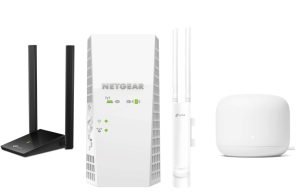
Are you tired of weak WiFi signals that disappear the moment you step outside or enter another room? If you’re like most people, you rely on a strong, consistent internet connection throughout your home and outdoor spaces.
But what happens when thick walls and long distances interfere with your WiFi experience? This is where an outdoor WiFi extender might just be your new best friend. But can it really work through walls? We’ll dive into how these extenders can transform your connectivity woes and ensure that your internet signal is as strong outside as it is inside.
Imagine the freedom of browsing seamlessly from your backyard or garage without interruptions. Keep reading to discover if an outdoor WiFi extender is the solution you’ve been searching for.
How Outdoor Wifi Extenders Work
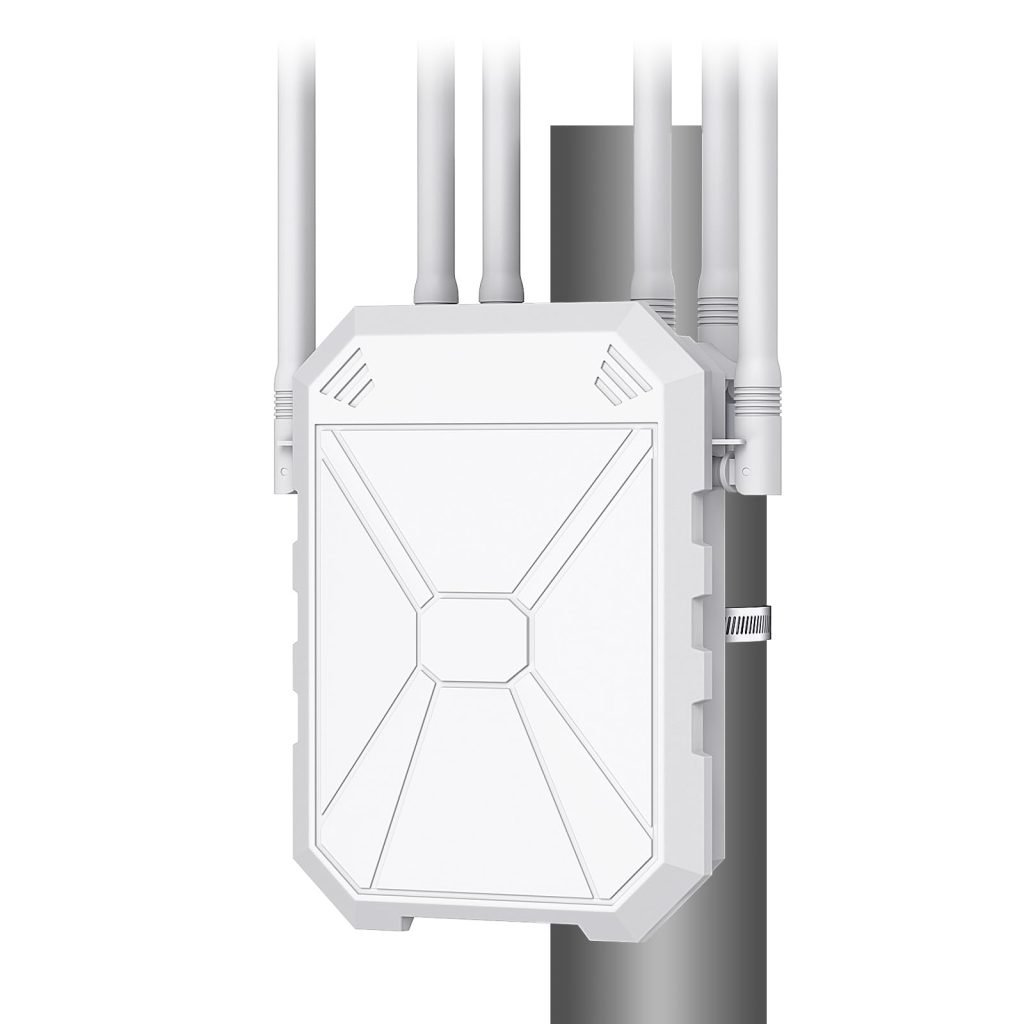
Outdoor WiFi extenders boost the wireless signal from your router. They catch the signal and send it farther, outside buildings. Walls and other objects can block or weaken signals, but extenders try to push through them.
Signals travel as radio waves. These waves can be slowed or stopped by thick walls, metal, or water. Outdoor extenders use stronger antennas to help signals pass through or around walls better.
- Extend WiFi to gardens or yards
- Provide internet in garages or sheds
- Help connect outdoor security cameras
- Improve signal for outdoor events or patios

Credit: simplewifi.com
Impact Of Walls On Wifi Signals
Walls can block or weaken WiFi signals. The type of wall matters a lot. Thick wallslike concrete or brick reduce signals more than thin walls.
| Wall Type | Material | Signal Impact |
|---|---|---|
| Drywall | Gypsum plaster | Low signal loss |
| Brick | Clay bricks | Moderate signal loss |
| Concrete | Concrete blocks | High signal loss |
| Metal | Steel or aluminum | Very high signal loss |
Other things that affect signals include wall thickness and presence of metal pipes. The farther the WiFi extender is, the weaker the signal gets. Obstacles like walls reduce signal strength more than distance alone.
Can Signals Penetrate Walls?
Walls can reduce WiFi signal strength. Signals pass through some walls better than others. Thinner walls or walls made of wood let more signal through. Thick walls or those with metal or concrete block signals more. Signals lose power as they pass through walls.
| Wall Type | Signal Penetration |
|---|---|
| Drywall | Good – minimal signal loss |
| Wood | Moderate – some signal loss |
| Brick | Poor – significant signal loss |
| Concrete | Very poor – heavy signal loss |
| Metal | Blocked – signals rarely pass |
WiFi frequency affects penetration too. Lower frequencies (2.4 GHz) pass through walls easier than higher ones (5 GHz). Outdoor extenders often use 2.4 GHz for better reach.
Real-world tests show signals weaken with each wall crossed. Positioning extenders near open spaces helps. Thick or metal walls cause the most trouble. Outdoor extenders can work through walls, but expect weaker signals inside.
Credit: simplewifi.com
Choosing The Right Outdoor Wifi Extender
Choosing the right outdoor WiFi extenderdepends on several important features. The extender must work well with your router. Check if both devices use the same WiFi standards like 802.11ac or 802.11n. This ensures smooth connection and better speed.
Weather resistanceis another key factor. The extender should be waterproof and dustproofto survive rain, sun, and wind. Look for IP ratings such as IP65 or higher. This means the device is built to last outside without damage.
Installation Tips For Best Performance
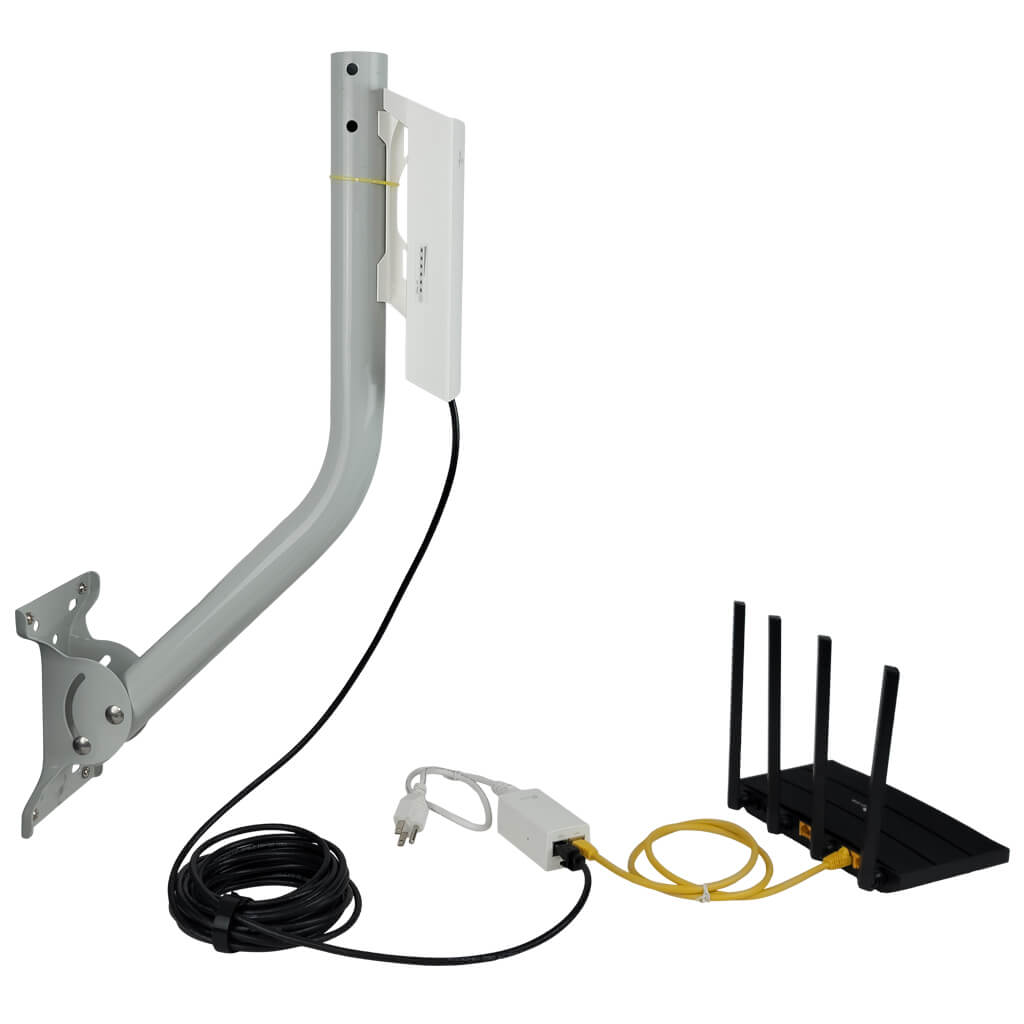
Place the WiFi extenderwhere it can get a clear signal from your router. Walls can block signals, so put it near a window or open area facing the router.
Avoid interferenceby keeping the extender away from devices like microwaves, cordless phones, or large metal objects. These can weaken the WiFi signal.
| Setup Aspect | Tip |
|---|---|
| Power | Use a stable power source. Avoid outlets that switch off often. |
| Connectivity | Connect the extender using the correct method (WPS button or app) for easy setup. |

Credit: www.amazon.com
Alternatives To Outdoor Wifi Extenders
Walls can block outdoor WiFi extenders, reducing signal strength indoors. Powerline adapters or mesh WiFi systems offer better coverage through walls. These alternatives help maintain a strong, steady internet connection inside your home.
Mesh Wifi Systems
Mesh WiFi systemsuse several devices to cover large areas. Each device talks to the others, making a strong network. They work well through walls and floors. You get better signalinside your home or yard.
Powerline Adapters
Powerline adapterssend internet through your home’s electrical wires. Just plug one adapter near your router and another where you want better WiFi. This method avoids walls blocking the signal. It is easy to set up and works in many homes.
Wired Access Points
Wired access pointsconnect to your router with cables. They create new WiFi spots inside or outside. Because cables carry data, walls do not reduce speed. This setup is very reliable but needs some wiring work.
Troubleshooting Common Issues
Weak signalsoften happen when walls block WiFi waves. Thick walls or metal can stop signals. Moving the extender closer helps. Avoid placing it near big metal objects or mirrors.
Connectivity dropsmay be caused by interference from other devices. Microwaves, cordless phones, and baby monitors can cause problems. Changing the WiFi channel can fix this. Also, check the extender’s placement for better coverage.
Keeping the firmware updatedis important. Updates fix bugs and improve performance. Check the extender’s app or website for new versions. Install updates regularly to keep your WiFi stable and fast.
Frequently Asked Questions
Can Outdoor Wifi Extenders Penetrate Walls Effectively?
Outdoor WiFi extenders can work through walls but signal strength decreases. Thick or dense walls block more WiFi signals, reducing range and speed. Placement near walls improves performance. Using extenders with strong antennas helps maintain a better connection through walls.
How Do Walls Affect Outdoor Wifi Extender Signals?
Walls absorb and reflect WiFi signals, weakening them. Materials like concrete, brick, and metal cause more interference. This results in slower speeds and reduced coverage. Outdoor extenders near windows or open spaces perform better by minimizing wall interference.
Are Outdoor Wifi Extenders Better Than Indoor For Wall Penetration?
Outdoor WiFi extenders are designed for open spaces and weather resistance. Indoor extenders may struggle outdoors but can work better through interior walls. Outdoor extenders offer stronger signals but still face challenges with thick walls. Choose based on your specific coverage needs.
What Materials Block Outdoor Wifi Extender Signals The Most?
Concrete, brick, metal, and thick wood significantly block WiFi signals. These materials reduce signal strength and data speed. Glass, drywall, and thin wood cause less interference. Knowing wall composition helps in placing extenders for optimal performance.
Conclusion
Outdoor WiFi extenders can send signals through walls, but with limits. Thick walls may slow or weaken the signal. Placing the extender closer to the wall helps improve coverage. Testing different spots can find the best signal path. Remember, no device can fully avoid signal loss through barriers.
Use extenders as part of your plan to boost outdoor WiFi. Small steps lead to better connection and fewer dead zones.