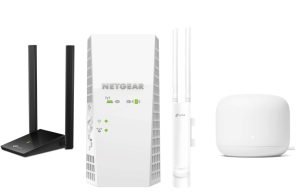
Imagine lounging in your backyard, streaming your favorite shows or working remotely, without a glitch in your WiFi connection. Sounds perfect, right?
But what if your current WiFi signal doesn’t reach that far? That’s where outdoor WiFi extenders come in. Now, picture taking it a step further: what if these extenders could be powered by the sun? Not only would this be eco-friendly, but it could also save you money on energy bills.
Intrigued? This article will explore whether solar-powered outdoor WiFi extenders are a reality and how they could transform your internet experience. Keep reading to discover if this innovative solution is the missing piece in your quest for seamless connectivity.

Credit: www.amazon.co.uk
Benefits Of Solar-powered Wifi Extenders
Solar-powered wifi extendersuse sunlight to work. This means they do not need electricity from the grid. Such devices are eco-friendlyand reduce carbon footprints.
They help save moneybecause there are no electric bills for power. Over time, this can lower operating costssignificantly.
These extenders can be placed in many locations without needing wires. This installation flexibilitymakes them great for outdoor areas where power outlets are rare.
How Solar Wifi Extenders Work
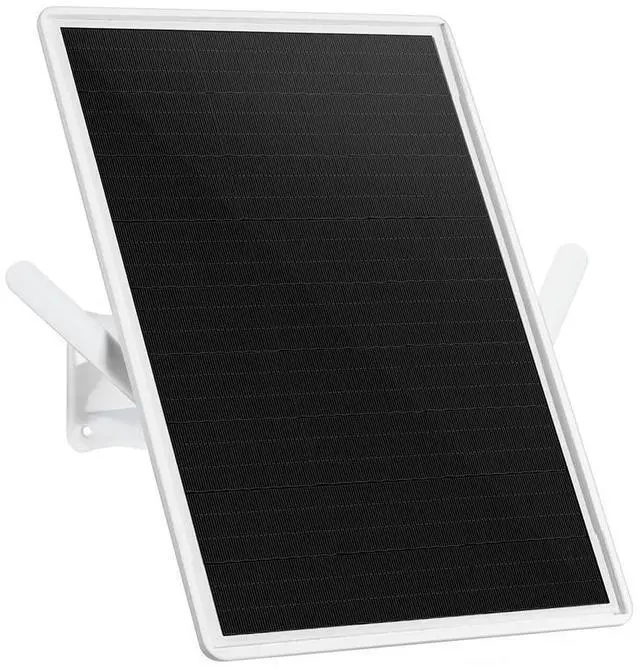
Solar wifi extenders use sunlight to power wireless signals outdoors. A solar panelcollects sunlight and changes it into electricity. This power keeps the extender running without needing a plug.
Battery storage systemsstore energy from the solar panel. They save power for times when the sun is not shining. This helps the extender work day and night.
Power managementcontrols how the extender uses energy. It makes sure the battery lasts long. It stops wasting power and keeps the wifi signal strong.
Key Features To Look For
Durability and weather resistanceare essential for outdoor WiFi extenders. These devices must withstand rain, wind, and sun. Look for extenders with IP65 or higher ratings. This ensures protection against dust and water.
Battery capacity and backupmatter for solar-powered extenders. Choose models with long-lasting batteriesthat store enough power for cloudy days and nights. A good backup system keeps your connection steady.
Connectivity range and speeddecide how far and fast the WiFi signal goes. Pick extenders with wide coverageand high data rates. This helps maintain a strong, stable internet connection outdoors.
Challenges And Limitations
Solar power depends on sunlight. Cloudy or rainy days reduce energy. Nighttime means no power. This can cause signal lossor slower internet. Outdoor WiFi extenders need a steady power flow to work well.
Initial setup costsfor solar-powered extenders are higher. Solar panels and batteries add extra expenses. Installation can be tricky and needs space. This can make the setup more costly than regular extenders.
Maintenance requirementsare also important. Solar panels need cleaning to stay efficient. Batteries wear out and must be replaced. Regular checks keep the system running smoothly. Neglect can cause system failure or low performance.
Installation Tips For Optimal Performance
Placing solar-powered outdoor WiFi extenders in direct sunlight ensures steady energy flow and better signal strength. Secure mounting and clear surroundings help maintain optimal device performance. Regularly check solar panels for dirt or debris to keep power efficiency high.
Ideal Placement For Sun Exposure
Place the extender where it gets direct sunlightfor most of the day. Avoid spots shaded by trees or buildings. South-facing areas often receive the best sun. Keep the solar panel clean for maximum power. Angle the panel to match the sun’s path.
Securing The Extender
Use strong mounts or brackets to hold the extender steady. Ensure it is fixed tightly to avoid movement from wind. Protect cables from damage by securing them along walls or poles. Weatherproof enclosures help keep the device safe from rain and dust.
Regular System Checks
- Check the solar panel for dirt or debris weekly.
- Inspect cables and connections for wear or damage.
- Test the extender signal strength regularly to ensure good coverage.
- Reset the device if it loses connection or works slowly.
Credit: www.newegg.ca
Popular Solar-powered Wifi Extenders In The Market
Outdoor WiFi extenders can use solar power to stay charged without wires. Many models on the market combine solar panels with strong signal boosts for easy outdoor use. Solar-powered options help extend WiFi in gardens, parks, or remote spots.
Top Models And Brands
- TP-Link Solar Wifi Extender:Offers reliable outdoor coverage.
- Netgear Nighthawk Solar Extender:Known for strong signal strength.
- EnGenius Solar-Powered Extender:Good for long-range outdoor use.
- Ubiquiti Solar Wifi Booster:Durable and easy to install.
Price Ranges
| Brand | Price Range (USD) | Features |
|---|---|---|
| TP-Link | $80 – $150 | Solar panel, waterproof, easy setup |
| Netgear | $120 – $200 | High-speed, wide coverage, solar powered |
| EnGenius | $100 – $180 | Long-range, solar charging, durable |
| Ubiquiti | $150 – $250 | Robust design, solar panel, outdoor use |
User Reviews
Users often praise easy installationand stable signals. Some mention solar panels work well in sunny areas but less in shade. Many find the devices cost-effectivecompared to wired solutions. A few users say battery life varies by model. Overall, most reviews show satisfaction with outdoor wifi coverage improvement.
Future Trends In Solar Wifi Technology
Solar panels are becoming more efficientand cheaper. This helps outdoor WiFi extenders use less power. New solar cells can work better in low light. This means devices stay charged even on cloudy days.
Smart home systems can now connectwith solar-powered WiFi extenders. This allows users to control devices remotely. It also helps manage energy use wisely. The integration makes homes more energy-friendlyand secure.
Solar-powered WiFi extenders may reach more places soon. They are great for areas without electric power. This helps people stay connected in remote locations. The technology is becoming easier to install and use.

Credit: www.amazon.com
Frequently Asked Questions
Can Outdoor Wifi Extenders Use Solar Power Effectively?
Yes, outdoor WiFi extenders can be solar powered. Solar panels charge batteries, providing continuous power without wired connections. This setup is eco-friendly and ideal for remote areas lacking electrical outlets, ensuring reliable internet coverage outdoors.
What Are The Benefits Of Solar-powered Wifi Extenders?
Solar-powered WiFi extenders reduce electricity costs and increase mobility. They are eco-friendly and easy to install in outdoor locations. This makes them perfect for gardens, parks, and remote spots where power sources are limited or unavailable.
How Long Do Solar-powered Wifi Extenders Operate On Sunlight?
Operation depends on solar panel size and battery capacity. Typically, they run all day with adequate sunlight. Batteries store energy for nighttime use, ensuring uninterrupted WiFi coverage even when the sun isn’t shining.
Are Solar-powered Wifi Extenders Suitable For All Climates?
Solar-powered extenders work best in sunny climates. In areas with limited sunlight, battery life may reduce. Proper panel placement and maintenance improve performance in diverse weather conditions, making them adaptable to many environments.
Conclusion
Solar power can be a good option for outdoor WiFi extenders. It helps save energy and works well in sunny places. You need the right solar panel and battery to keep the signal strong. Some setups may cost more at first but save money later.
Think about your location and weather before choosing solar power. This choice can make your WiFi more flexible and eco-friendly. It fits well for gardens, parks, or remote areas without easy electricity. Solar-powered extenders show promise for many outdoor internet needs.