Are you worried that winter might ruin your outdoor WiFi connection? You rely on your WiFi extender to keep your signal strong outside, but cold weather and snow can make you wonder: can outdoor WiFi extenders really work in winter?
The answer isn’t as simple as yes or no. Understanding how winter affects your device can help you keep your connection steady, no matter the season. Keep reading to discover what you need to know to protect your WiFi and enjoy fast, reliable internet all winter long.
How Outdoor Wifi Extenders Operate
Outdoor wifi extenders boost your home wifi signal outside. They catch wifi from your router and send it farther. This helps cover big yards or gardens with internet. These devices work by receiving a wifi signal and then repeating it. This repeats the signal, making it stronger and wider. They use special antennas to send signals over long distances. They also have weatherproof cases to handle rain and snow.
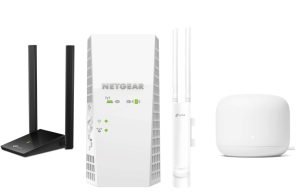
Common outdoor wifi extenders include brands like TP-Link, Netgear, and Ubiquiti. Many have strong antennas and fast speeds. Some models support dual-band wifi, which means they work on two frequencies. This helps reduce interference from other devices. Most are easy to install on walls or poles outside. They need a power source, sometimes via Ethernet cable or plug.

Credit: www.reddit.com
Winter Weather Challenges
Cold temperaturescan slow down the performance of outdoor wifi extenders. Electronics may not work well in very low heat. Batteries drain faster in cold weather, causing shorter device life.
Snow and icecan block wifi signals. A thick layer on antennas reduces signal strength. Ice buildup may cause physical damage to the device over time.
Wind and moisturebring risks too. Strong winds can loosen or move the extender from its place. Moisture from rain or melting snow may cause electrical shorts or corrosion inside the device.
- Cold slows electronic parts
- Snow blocks signals
- Ice can break antennas
- Wind can shift devices
- Moisture risks electrical damage
Performance In Cold Conditions
Outdoor WiFi extenders can face signal strength variationsduring cold weather. Cold air is denser, which may slightly affect wireless signals. Snow and ice buildup can block or weaken signals. Trees without leaves can improve or reduce signal paths.
Connectivity stability can drop due to extreme cold. Some devices might restart or disconnect more often. Metal parts can contract, causing loose connections inside the extender. Wind and moisture can also impact stability by causing interference.
Battery and power concerns are common in winter. Cold temperatures reduce battery life and efficiency. Devices using rechargeable batteries may drain faster. Using a stable power source or weatherproof covers helps maintain power flow.
Durability And Design Features
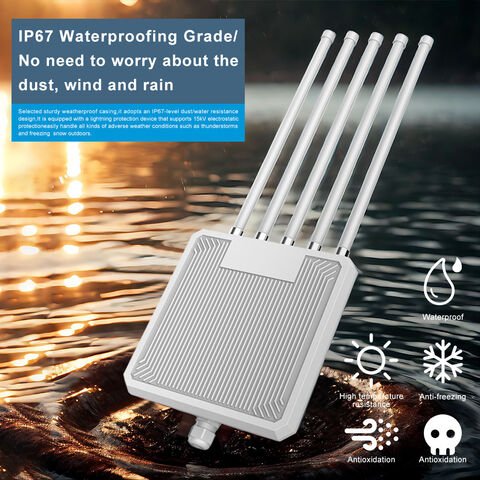
Outdoor WiFi extenders need strong weatherproof materialsto last through winter. Materials like plastic, rubber, and metalprotect devices from snow, rain, and ice. Good quality materials stop water from getting inside and causing damage.
Temperature ratings show how cold or hot the device can handle. Many extenders work well between -20°C and 50°C. This range covers most winter days. Devices with wider temperature ratings are better for very cold places.
Sealing and insulation keep the inside dry and warm. Proper sealing uses rubber gaskets and tight coversto block moisture. Insulation helps stop freezing inside the device. These features help the extender work well in cold weather.
Installation Tips For Winter
Place the outdoor WiFi extender in a spot where it gets less snow and wind. Choose a location high enough to avoid snow build-up. Keep it close to the router for a strong signal but away from metal objects that block signals.
Use a protective enclosure to shield the extender from cold and moisture. Look for waterproof and insulated boxes that fit your device. These enclosures help keep the extender dry and working well during winter.
- Clear snow from the extender regularly to prevent damage.
- Check cables for cracks or wear caused by cold weather.
- Wipe the device gently to remove ice and dirt.
- Ensure vents stay open to avoid overheating.

Credit: www.amazon.co.uk
Choosing The Right Extender For Winter
Choosing an outdoor WiFi extender for winter needs careful thought. Models made for harsh weatherresist cold, snow, and moisture better. Look for devices with weatherproof casesand temperature-resistant parts. These keep working even in freezing weather.
Energy efficiency matters. Extenders that use less power save money. They also run cooler, which helps in cold weather. Check the power use before buying. A low-energy extender lasts longer and needs less maintenance.
| Feature | Why It Matters |
|---|---|
| Weatherproof Design | Protects against snow, rain, and cold |
| Energy Efficiency | Saves power and reduces heat |
| Warranty | Guarantees support if device fails |
| Customer Support | Helps solve problems quickly |
A solid warranty and good support are important. They help fix issues fast. This means less downtime in cold months. Choose brands that offer clear warranty terms and easy support options.

Credit: www.amazon.ca
Frequently Asked Questions
Can Outdoor Wifi Extenders Work In Cold Winter?
Yes, outdoor WiFi extenders can work in winter. They are designed to withstand cold temperatures and continue functioning efficiently.
Do Snow And Ice Affect Wifi Extender Performance?
Snow and ice may slightly weaken signals but usually do not stop extenders from working. Proper installation helps minimize issues.
How To Protect Outdoor Wifi Extenders In Winter?
Use weatherproof casings and install extenders in sheltered spots. Regularly check and clear snow or ice buildup for better performance.
Does Winter Reduce Outdoor Wifi Range?
Winter weather can slightly reduce WiFi range due to moisture and cold. However, good-quality extenders maintain strong signals despite cold conditions.
Conclusion
Outdoor WiFi extenders can work effectively in winter. They are designed for various weather conditions. To ensure optimal performance, choose weather-resistant models. Proper installation is crucial. Keep them sheltered from extreme elements. Regular maintenance helps extend their lifespan. Check for ice or snow build-up.
This prevents signal interference. You can enjoy stable internet during cold months. Stay connected without worry. Invest in quality extenders for peace of mind. Reliable internet remains essential year-round. Winter poses challenges, but solutions exist. Enjoy seamless connectivity, even in chilly weather.