Imagine setting sail on a vast ocean adventure, the wind in your hair and endless horizons ahead. But there’s a catch: your WiFi signal fades into oblivion, leaving you disconnected from the world.
Sound familiar? If you’ve ever wondered whether long-range WiFi extenders actually work on ships, you’re not alone. The idea of staying connected while cruising the open seas is appealing. But does it hold up in reality? You’ll discover the truth about these devices and find out if they can keep you online during your maritime journeys.
Dive in and uncover how to maintain your digital lifeline, no matter how far you sail.
Credit: www.newegg.ca
Challenges Of Wifi On Ships
Ships face many signal obstaclesat sea. Metal walls and equipment block WiFi signals. Waves and weather also weaken the connection. This makes it hard for long-range WiFi extenders to work well on ships.
There are many interference sourceson ships. Other electronics and radios cause signal noise. This interference lowers the WiFi quality and speed.
| Bandwidth Limitations | Impact on Ship WiFi |
|---|---|
| Limited Satellite Internet | Slow speeds and high latency reduce WiFi performance. |
| Many Users | Bandwidth divides, causing slower connections for all. |
| Distance from Shore | Signal weakens as ships move farther from land. |
Credit: www.signalbooster.com
Types Of Long Range Wifi Extenders
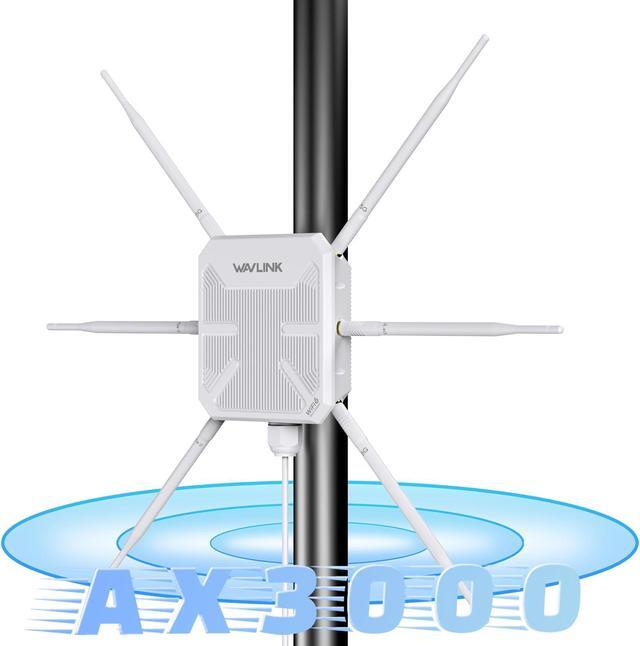
Directional antennasfocus the WiFi signal in one direction. This helps to reach farther distances on ships. They are good when the signal source is fixed and far away. These antennas reduce interference from other directions. This makes the connection more stable and strong.
Mesh network systemsuse multiple devices to spread WiFi across large areas. Each device talks to others, creating a web of signals. This helps cover the whole ship without dead zones. Mesh networks are easy to expand by adding more units.
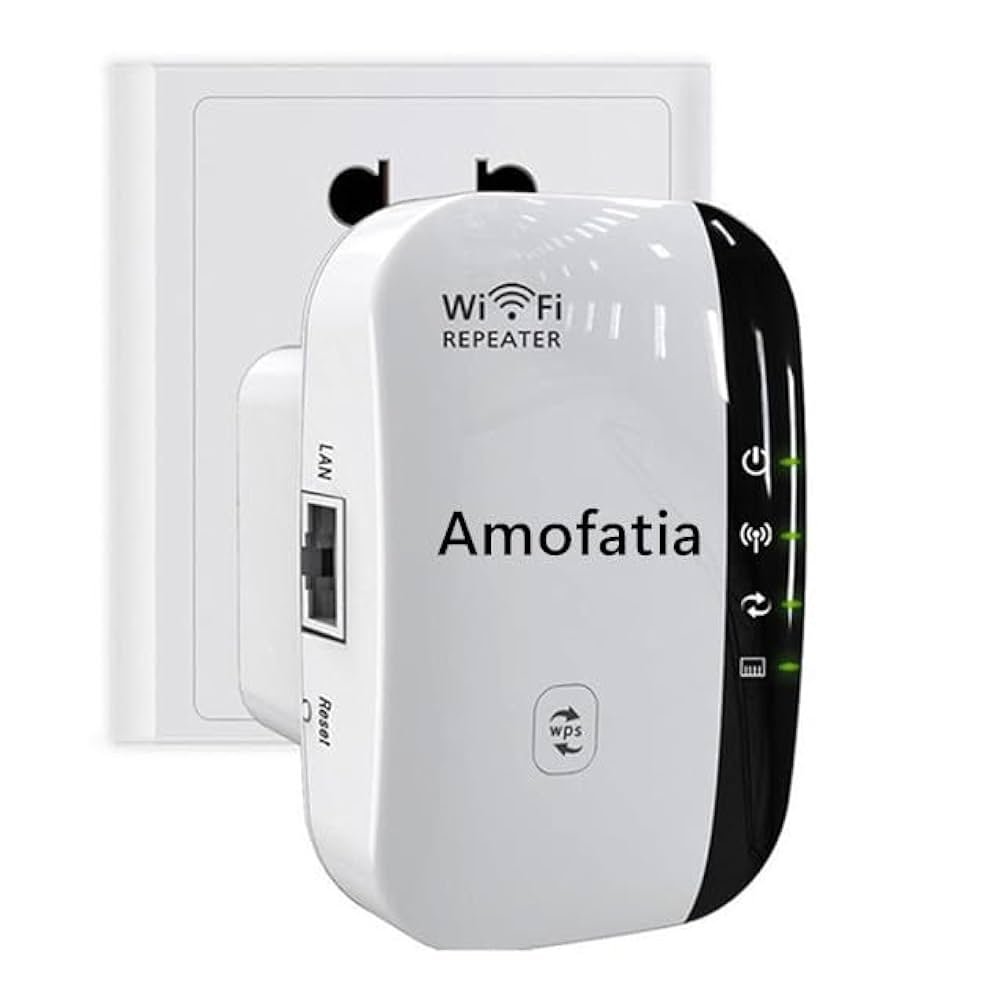
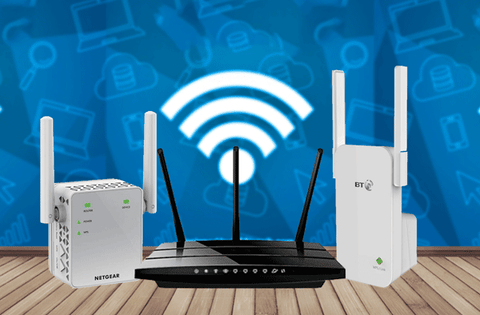
Signal repeaterscatch the WiFi signal and send it out again. They boost the signal strength but do not focus it. Repeaters are simple to use but may reduce speed slightly. They work well for ships with many small areas needing WiFi.
Effectiveness Of Extenders On Ships
Long range WiFi extenders can help improve signal range and coverageon ships. They boost the WiFi signal to reach farther parts of the vessel. But metal walls and equipment may block signals. This can limit how far the extender works.
Signal stabilityis a key issue on ships. Movement of the ship and interference from other devices can cause weak or dropped signals. Extenders may not always keep a steady connection in such conditions.
Weather conditionsalso affect WiFi signals at sea. Heavy rain, fog, or storms can weaken the signal strength and reduce coverage. Extenders have a harder time maintaining strong signals during bad weather.
Installation Tips For Ship Wifi Extenders
Place the wifi extender where it can catch a strong signal from the main router. Avoid metal walls or thick barriers that block the signal. Higher spots often work better for wider coverage.
Check the power source before installation. Ships have different voltage levels, so use adapters if needed. Make sure the power supply is stable to prevent connection drops.
Choose devices with strong waterproof and durable designs. Saltwater and moisture can damage equipment quickly. Look for extenders with IP ratings for water and dust resistance.
Alternative Solutions For Ship Connectivity
Long range WiFi extenders can boost signal on ships but often face challenges due to metal structures and sea distance. Alternative solutions like satellite internet or marine-specific systems often provide more reliable connectivity offshore. Choosing the right option depends on the ship’s location and communication needs.
Satellite Internet
Satellite internet is a common choice for ships far from shore. It sends signals to satellites high above Earth. This method offers wide coverage, even in the middle of oceans. Speeds can vary and latency may be high. Costs are usually higher than land-based internet. Equipment on the ship includes a satellite dish and modem.
Cellular Boosters
Cellular boosters improve mobile signals near coastlines. They capture weak signals and amplify them inside the ship. This solution works best near land or in busy ports. It cannot reach very far into the sea. Installation is simple and costs are moderate. Good for short trips or coastal sailing.
Hybrid Systems
Hybrid systems combine satellite internet and cellular boosters. The system switches between signals for better connection. It offers more reliability and can save costs. Ships stay connected near shore and far away. This flexible setup fits many types of vessels and trips.
Cost Considerations And Budgeting
Choosing long range WiFi extendersfor ships involves several cost factors. The equipment expensescan vary depending on the model and range. Some extenders designed for marine use have special features that raise the price.
Installation costsmay increase due to the ship’s size and complexity. Skilled technicians might be needed to place devices correctly for the best signal. Wiring and mounting add to the expenses.
Maintenance and upgradesalso add to the budget. Saltwater and weather exposure can cause wear and tear. Regular checks and software updates keep the system working well.
| Cost Factor | Description | Impact on Budget |
|---|---|---|
| Equipment Expenses | Price of WiFi extenders with marine features | Medium to High |
| Installation Costs | Labor and materials for setup on ship | Medium |
| Maintenance and Upgrades | Ongoing care to prevent damage and improve performance | Low to Medium |
Future Trends In Marine Wifi Technology
Advancements in Extender Techare making WiFi on ships better. New devices can send signals farther and through thick walls. They use less power but give stronger signals. These extenders help keep people connected even on big ships.
Integration with IoT Devicesmeans many ship systems can talk to each other. Sensors, lights, and machines connect to WiFi extenders. This helps workers control and watch everything from one place. It makes ship work safer and easier.
Improved Signal Protocolshelp WiFi work well on moving ships. New signal rules reduce interruptions caused by waves and metal parts. They also use smart ways to avoid signal clashes. This means better internet for crew and passengers.

Credit: www.signalbooster.com
Frequently Asked Questions
Do Long Range Wifi Extenders Work Effectively On Ships?
Long range WiFi extenders can work on ships, but their performance depends on ship size and materials. Metal structures may cause signal interference, reducing effectiveness. Proper placement and quality extenders improve signal reach and stability onboard.
Can Wifi Extenders Improve Ship Internet Connectivity?
Yes, WiFi extenders can enhance internet connectivity on ships by boosting weak signals. They extend coverage to remote areas, helping crew and passengers stay connected. However, extenders require a stable base signal to function well.
What Factors Affect Wifi Extender Performance On Ships?
Ship construction materials, distance from the router, and weather conditions affect WiFi extender performance. Metal walls and equipment cause signal loss. Positioning extenders in open spaces and using high-quality devices improve coverage onboard.
Are There Better Alternatives To Wifi Extenders On Ships?
Satellite internet systems and marine-grade routers often provide more reliable connectivity on ships. These alternatives handle maritime conditions better and offer wider coverage. WiFi extenders work best as supplementary tools rather than primary solutions.
Conclusion
Long range WiFi extenders can help improve signal on ships. Their success depends on the ship’s size and structure. Metal walls and distance often block signals. Choosing the right extender model is very important. Placement also affects how well the signal travels.
Testing different setups can find the best option. Remember, no device guarantees perfect WiFi on water. Still, extenders offer a useful way to boost connectivity. They provide a practical solution for many ship users. Better WiFi means easier communication and more comfort onboard.