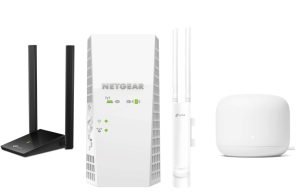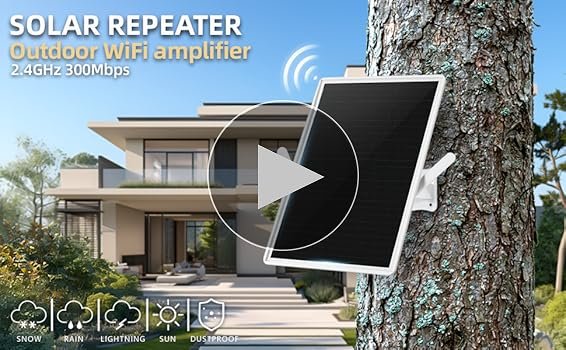
Have you ever wondered if your outdoor WiFi extender can keep your connection strong when snow starts falling? If you rely on a stable internet signal outside your home, this question is crucial.
Snow can create challenges for wireless devices, and understanding how it affects your extender can save you from frustrating drops in connection. You’ll discover the truth about outdoor WiFi extenders in snowy conditions and learn practical tips to keep your network running smoothly, no matter the weather.
Keep reading to ensure your WiFi never lets you down, even when winter arrives.
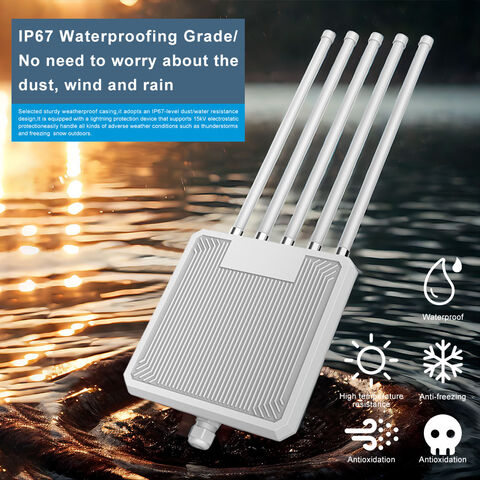
Credit: www.globalsources.com
How Outdoor Wifi Extenders Function
Outdoor WiFi extenders boost signal strength by capturing and repeating the wireless signal. Snow may weaken the signal but usually does not stop it completely. These devices work best when kept clear of heavy snow buildup.
Basic Technology Behind Wifi Extenders
Wifi extenders work by receiving the wireless signal from your main router. They then boost and retransmit it to areas with weak or no signal. This helps increase the coverage area of your wifi network. Extenders use radio waves to communicate with devices and the router.
Signals can be affected by walls, distance, and weather conditions. Snow can absorb or scatter some of the signal, but most extenders still work in snowy conditions. The key is to place the extender where it can get a strong signal from the router.
Outdoor Vs Indoor Extenders
| Feature | Outdoor Extenders | Indoor Extenders |
|---|---|---|
| Design | Weatherproof, tough casing | Not weatherproof, designed for indoors |
| Placement | Mounted outside, better for large yards | Placed inside, covers rooms and indoor areas |
| Signal Strength | Stronger signal outdoors, less interference | Signal can weaken through walls |
| Price | Usually more expensive | Generally cheaper |

Credit: www.youtube.com
Impact Of Snow On Wifi Signals
Snow can block or weaken WiFi signalsby causing physical barriers. Snowflakes absorb and scatter the signal waves, which lowers signal strength. This leads to slower internet speeds and weaker connections outdoors.
Moisture from snow and cold temperatures also affect WiFi. Wet snow can cause more signal loss than dry snow. Cold weather can affect the electronic parts of extenders, making them work less efficiently.
- Snow creates a thick layer that blocks signals.
- Water in snow absorbs WiFi frequencies.
- Cold can slow down device performance.
- Ice buildup may damage outdoor extenders.
Performance Of Wifi Extenders In Snowy Conditions
Outdoor wifi extenders can face challenges in snowy weather. Snow can block or weaken the wifi signals. Users often report slower speeds and some connection drops during heavy snow.
Some devices still work well if placed above the snow line or under a shelter. Keeping extenders dry helps maintain better performance. In cold weather, battery life may also shorten.
| Test Condition | Signal Strength | Connection Stability | Speed |
|---|---|---|---|
| No Snow | Strong | Very Stable | High |
| Light Snow | Moderate | Mostly Stable | Medium |
| Heavy Snow | Weak | Unstable | Low |
Tests show that snow reduces wifi range and speed. Proper placement and protection can help maintain better signals.
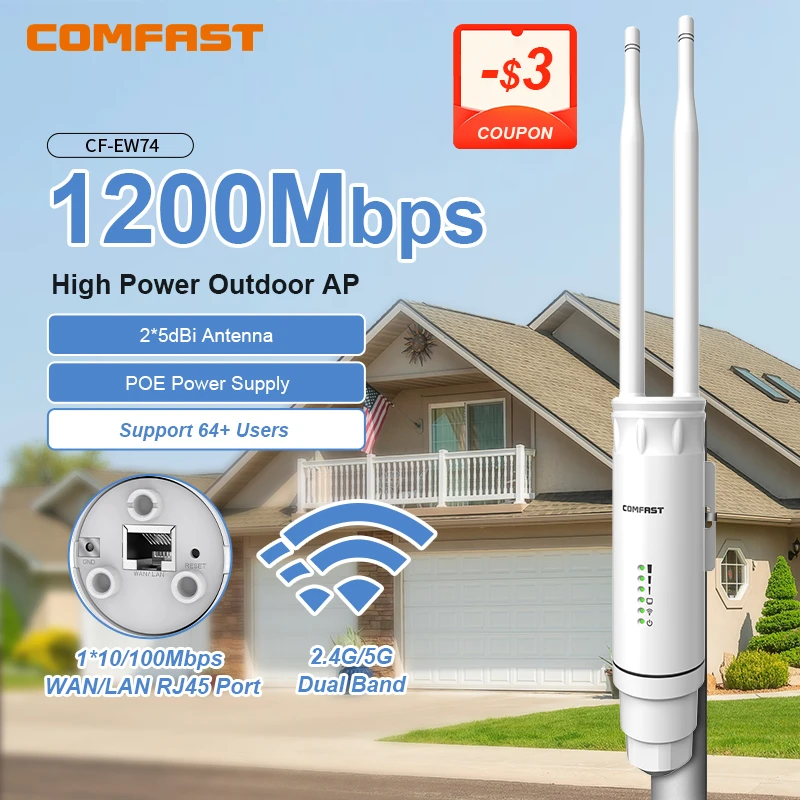
Credit: www.aliexpress.com
Factors Influencing Extender Efficiency In Snow
The quality and designof a wifi extender play a big role in its performance during snow. Devices made with weather-resistant materialshandle moisture and cold better. A strong, sealed casingprevents snow from damaging internal parts. The antenna design also affects signal strength through snow.
Proper placementand installationare key to keeping the extender working well. Install it where snow won’t pile up or block the signal. Mounting the extender higher can avoid snow buildup and water damage. Make sure the device is securely fixedto withstand wind and weather.
- Choose extenders with IP65 or higher ratingsfor weather protection
- Keep extender antennas clear of snow and ice
- Use a drip edge or coverto prevent water running onto the device
- Test signal strength before and after installation
Tips To Improve Wifi Connectivity In Snow
Protective covers and enclosureshelp keep outdoor WiFi extenders safe from snow and ice. These covers stop moisture from damaging the device. Using weatherproof boxes with vents can protect the extender without blocking signals. Place extenders where snow won’t pile up too much. Check and clear snow around the device often to keep signals strong.
Alternative technologieswork better in harsh weather. Wired connections like Ethernet cables do not lose signal in snow. Powerline adapters use home wiring to send internet signals and stay stable in cold weather. Cellular hotspots provide internet via mobile networks, avoiding snow problems. Using these options can keep WiFi working when snow is heavy.
Choosing The Right Outdoor Wifi Extender
Weather resistanceis essential for outdoor wifi extenders used in snow. Devices with IP65 or higher ratingprotect against water and dust. Look for extenders with strong antennasfor better signal reach through snow and walls. Dual-band supporthelps reduce interference and keeps your connection steady. Devices with easy installationoptions save time and effort. Check for energy efficiencyto avoid high power use.
| Brand | Notable Feature | Weather Resistance Rating |
|---|---|---|
| TP-Link | Strong signal, easy setup | IP65 |
| Netgear | Durable design, wide range | IP66 |
| Ubiquiti | High performance, professional grade | IP67 |
Frequently Asked Questions
Do Outdoor Wifi Extenders Work Well In Snow?
Outdoor WiFi extenders generally work in snow but signal strength may weaken. Snow can absorb or scatter the signal, causing reduced range or speed.
How Does Snow Affect Outdoor Wifi Extender Performance?
Snow can block or weaken WiFi signals by absorbing or reflecting radio waves. Heavy or wet snow impacts performance more than light snow.
Can I Protect My Wifi Extender From Snow Damage?
Yes, weatherproof extenders with protective casing resist snow damage. Installing under eaves or using covers can further shield the device.
Will Cold Temperatures Impact Wifi Extender Functionality?
Cold temperatures rarely affect WiFi extenders’ function if designed for outdoor use. Extreme cold may reduce battery life for some models.
Conclusion
Outdoor WiFi extenders perform well in snow with proper setup. Keep them protected from extreme weather. Use weatherproof models for better results. Snow can affect signals, but good placement helps. Test different locations for the best signal. Ensure a strong WiFi connection indoors.
Regular maintenance is key. Clean snow off devices regularly. Check for damage and replace if needed. Outdoor WiFi extenders work, but need care. Enjoy the internet even in snowy weather. Stay connected and comfortable.