Imagine streaming your favorite show or working on a project in your backyard, only to be interrupted by a weak WiFi signal. Frustrating, right?
If you’ve ever struggled with patchy internet outdoors, you’re not alone. Many people face this issue, and the solution might be simpler than you think. Have you ever wondered, “How far can an outdoor WiFi extender reach? ” This question is the key to unlocking a seamless online experience in every corner of your outdoor space.
By understanding the capabilities of these devices, you can make informed decisions that keep you connected. Dive into this article to discover how a WiFi extender can transform your outdoor internet experience and ensure you never lose connection again. Your perfect backyard setup is just a few steps away.
Credit: simplewifi.com
Factors Affecting Wifi Extender Range
Signal strengthis key to how far a wifi extender can reach. Stronger signals travel farther. Extenders use two main frequency bands: 2.4 GHz and 5 GHz. The 2.4 GHz band covers longer distances but is slower. The 5 GHz band is faster but covers less distance.
Obstacleslike walls, trees, and buildings block wifi signals. Metal and concrete cause the most interference. Other electronics like microwaves and cordless phones can also disrupt signals. This lowers the effective range of the extender.
- Place the extender high up, away from walls.
- Keep it near the main wifi router for better signal.
- Avoid placing it near devices that cause interference.
- Test different locations to find the best spot.
Types Of Outdoor Wifi Extenders
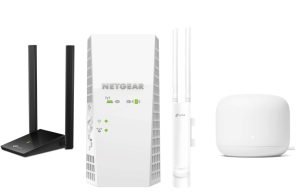
Standard extendersboost WiFi signals outdoors. They work well for small yards or patios. These extenders have moderate rangeand are easy to set up. They often use existing WiFi signals to increase coverage.
High-power extenderssend stronger signals farther. They are good for large outdoor areas like gardens or farms. These devices use amplifiersto cover longer distances. They need more power and careful placement to work best.
Mesh network systemsuse several devices to cover wide areas. Each device talks to others, making a strong network. Mesh systems provide seamless WiFiwith less dead zones. They are ideal for complex outdoor spaces with many obstacles.
Typical Range Expectations
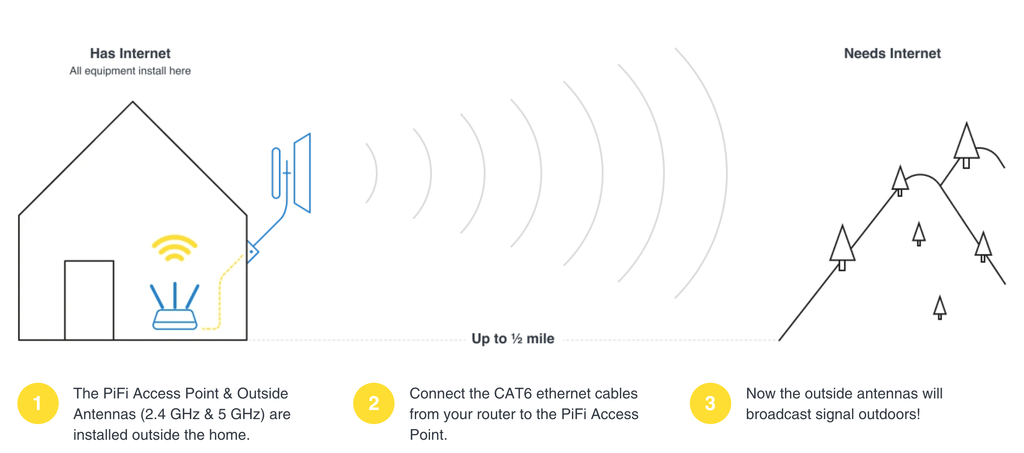
Outdoor WiFi extenders usually cover between 100 to 300 feet in open spaces. Walls, trees, and other obstacles can reduce this range significantly. Signal strength depends on the device’s power and environmental factors.
Short-range Extenders
Short-range extenders usually cover up to 100 feet. They work well for small yards or patios. Obstacles like walls or trees can reduce their reach. These extenders are easy to set up and use less power.
Medium-range Extenders
Medium-range extenders can reach 150 to 300 feet. They suit larger gardens or outdoor areas. Signal strength is better but still affected by obstacles. Ideal for homes with moderate outdoor space.
Long-range Extenders
Long-range extenders cover up to 500 feet or more. They are designed for big yards, farms, or open spaces. These extenders need clear paths to work best. They may require higher power and better antennas.
Credit: simplewifi.com
Improving Extender Performance
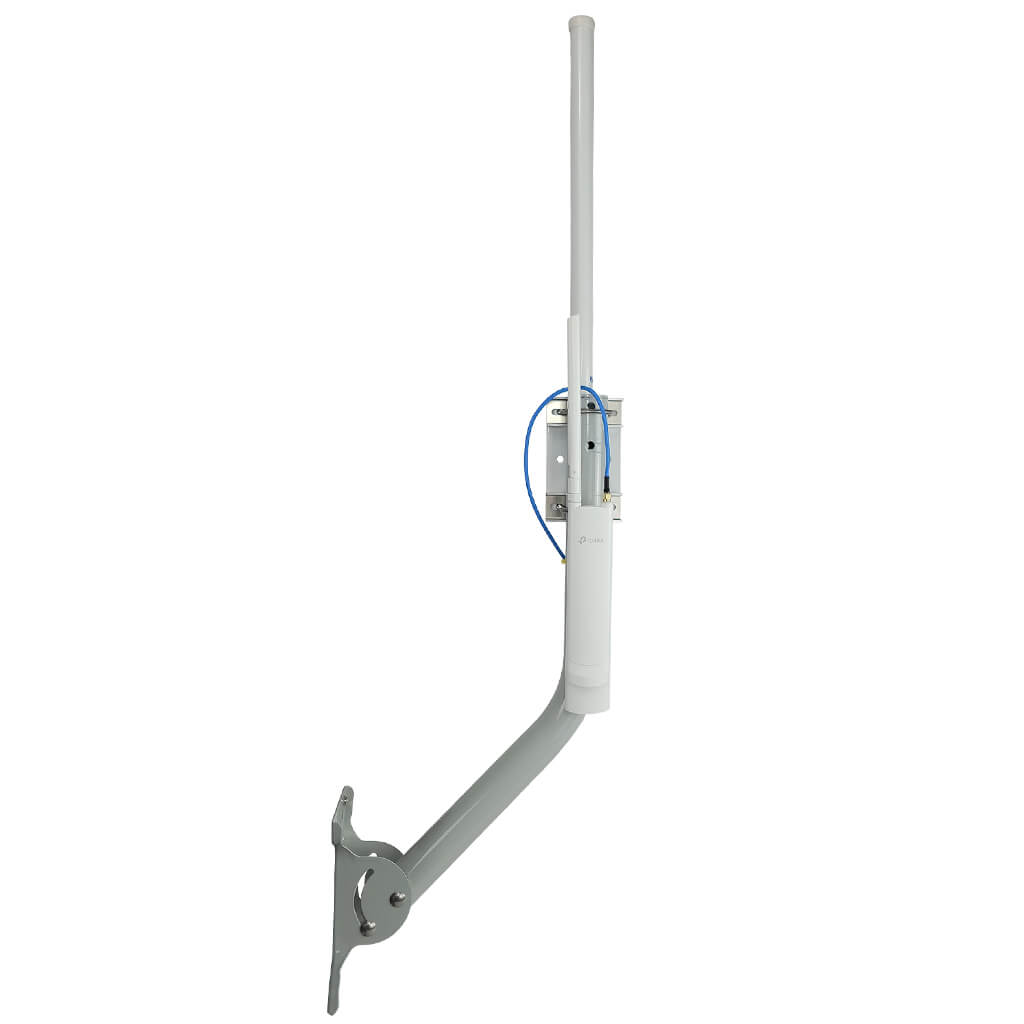
Upgrading the antennacan boost your outdoor WiFi extender’s signal strength. High-gain antennas send and receive signals farther than standard ones. Directional antennas focus the signal in one direction for better range. Omnidirectional antennas spread the signal all around but may cover shorter distances.
Keeping the firmware updatedensures the extender works efficiently. Updates fix bugs and improve performance. Check the manufacturer’s website often for new versions.
Optimizing network settingshelps reduce interference. Choose the best channel with the least traffic. Lower the WiFi frequency to 2.4 GHz for longer reach, though speeds may drop. Position the extender where it has a clear line of sight to both the router and the area needing coverage.
Common Challenges And Solutions
Interferencefrom other devices can weaken your WiFi signal. Common sources include microwaves, cordless phones, and nearby WiFi networks. Choose a channel with less traffic to improve connection quality. Placing the extender away from metal objects and large walls also helps reduce interference.
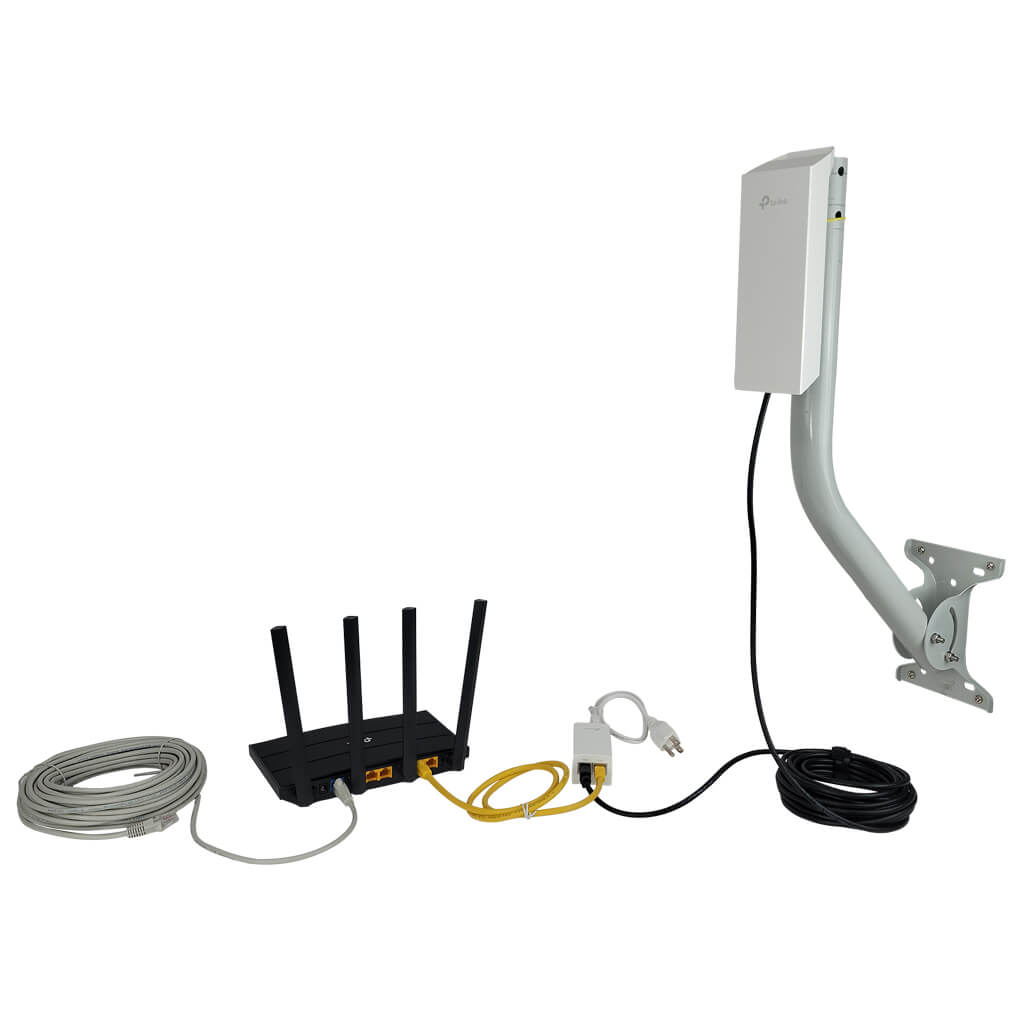
Power supply issuesaffect the extender’s performance. Ensure the device is plugged into a stable power source. Avoid using extension cords or power strips that may cause voltage drops. Some extenders work better with outdoor-rated power adapters to handle weather changes.
| Weather Impact | Effect | Solution |
|---|---|---|
| Rain | Signal weakening | Use waterproof housings and place extender under cover |
| Wind | Physical movement or damage | Secure mounting and protective casing |
| Extreme heat/cold | Device overheating or freezing | Choose weatherproof extenders with temperature tolerance |

Credit: simplewifi.com
Testing And Measuring Wifi Range
Wifi analyzer tools help check the signal strengthand quality. They show how strong the wifi signal is in different spots. This helps find the best place to put the outdoor wifi extender.
Signal strength indicators usually use bars or numbers. More bars or higher numbers mean a stronger signal. Lower numbers or fewer bars mean a weak signal. This helps know when the signal is good enough for internet use.
Range tests involve walking away from the extender. Measure the signal at different distances. Note where the signal starts to drop too low. This shows the maximum reachof the wifi extender.
- Use a wifi analyzer app on your phone or laptop.
- Check signal bars or decibel readings (dBm).
- Move farther from the extender while testing.
- Stop when the connection becomes slow or unstable.
Frequently Asked Questions
How Far Can Outdoor Wifi Extenders Typically Reach?
Outdoor WiFi extenders usually cover distances between 300 to 1,000 feet. The range depends on the device power, antenna type, and environmental obstacles like walls or trees.
What Factors Affect Outdoor Wifi Extender Range?
Range is influenced by terrain, weather, interference, and device quality. Clear line of sight and minimal obstructions improve signal strength and extend coverage.
Can Weather Impact Wifi Extender Performance Outdoors?
Yes, rain, fog, and extreme temperatures can weaken signals. Properly weatherproofed extenders perform better and maintain stable connections despite weather changes.
How To Maximize Outdoor Wifi Extender Coverage?
Place the extender in an elevated, open area with minimal obstructions. Use high-gain antennas and avoid interference from other wireless devices.
Conclusion
Outdoor WiFi extenders can boost your signal far beyond your home. Distance depends on obstacles, weather, and device quality. Clear spaces let signals travel farther. Thick walls and trees can block or weaken signals. Choose the right extender for your needs.
Place it high and in open areas for best reach. Remember, no extender covers unlimited distance. Regular checks help keep your connection strong. A good extender makes outdoor internet use easier and more reliable. Simple steps improve your WiFi range and experience.