Are you frustrated by slow internet when too many devices connect at once? You’re not alone.
With so many gadgets in your home, from phones and laptops to smart TVs and security cameras, you need a WiFi system that can keep up. That’s where WiFi 6 mesh comes in. But how many devices can it really handle without slowing down your connection?
Understanding this can help you get the smooth, fast internet experience you deserve. Keep reading, and you’ll discover exactly how WiFi 6 mesh works to support your growing number of devices—so you can enjoy seamless browsing, streaming, and gaming without interruptions.

Credit: www.amazon.ca
Wifi 6 Mesh Basics
Wifi 6 mesh networks use the latest Wifi 6 technology to provide fast internet. They help cover large areas with strong signals.
These networks connect multiple devices at once. They improve speed and reduce connection drops in busy homes.
Key Features Of Wifi 6
Wifi 6 offers faster speeds and better efficiency than older wifi types. It can handle many devices without slowing down.
It uses new technology to reduce interference and increase battery life for devices. This makes Wifi 6 ideal for mesh networks.
- Higher data rates for faster internet
- Improved capacity for more devices
- Lower latency for quick responses
- Better power management for devices
- Stronger security features
How Mesh Networks Work
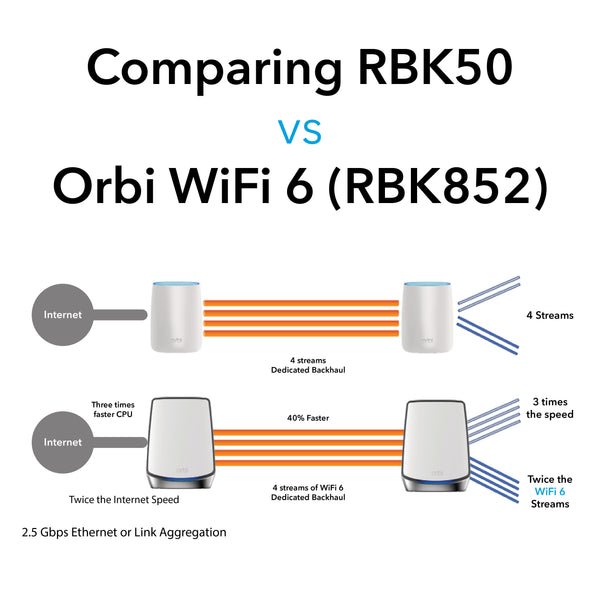
Mesh networks use several Wifi points to spread a signal across a large area. Each point talks to others to keep the network strong.
When a device moves, the network shifts its connection to the nearest point. This keeps the internet stable and fast all the time.
- Multiple nodes create wide coverage
- Nodes communicate to avoid weak spots
- Devices connect to the strongest node
- Automatic switching keeps connections steady
- Network grows by adding more nodes

Credit: www.pcmag.com
Device Capacity Factors
Wifi 6 mesh networks can handle many devices at once. But several factors affect how many devices connect well.
Understanding these factors helps you set up a strong network with good performance.
Bandwidth And Speed Limits
Bandwidth is the amount of data your network can send at once. Speed limits the rate devices can use this data.
Wifi 6 improves bandwidth by using wider channels and better data encoding. Still, many devices share the same bandwidth.
- More devices reduce speed per device
- High-bandwidth activities use more network resources
- Mesh nodes help spread bandwidth across areas
Signal Range And Coverage
Signal range defines how far the wifi reaches. Mesh networks use multiple nodes to cover large spaces.
Devices far from nodes get weaker signals. This can reduce connection quality and device capacity.
- Place nodes to avoid dead zones
- Walls and furniture can block signals
- Good coverage means more devices connect reliably
Network Congestion Effects
Network congestion happens when many devices send data at once. This causes delays and slower speeds.
Wifi 6 helps reduce congestion with better scheduling and multiple user access. Still, too many devices can overwhelm the network.
- High device count can cause slowdowns
- Heavy traffic needs stronger network hardware
- Regular updates keep mesh nodes efficient
Maximum Devices Supported
Wifi 6 mesh networks promise better support for many devices. Understanding their limits helps users plan their home or office setup. This guide explains device capacity in theory and practice.
We compare Wifi 6 mesh to older wifi standards to see how many devices they can handle. This shows the real benefits of upgrading your network.
Theoretical Device Limits
Wifi 6 technology increases the number of devices that can connect without slowing down. Theoretical limits depend on multiple factors like channels and frequency bands.
- Supports up to 1024 devices per access point.
- Uses OFDMA to divide channels efficiently.
- Improved MU-MIMO allows multiple devices to communicate at once.
- Better modulation increases data rates for many users.
Real-world Performance
In real settings, the number of devices supported is lower than theory. Walls, interference, and device types affect performance. Most Wifi 6 mesh routers handle 50 to 100 devices well.
| Factor | Impact on Device Support |
| Physical Obstacles | Reduces signal range and speed |
| Interference | Causes connection drops and slowdowns |
| Device Type | Older devices may limit network efficiency |
| Network Traffic | Heavy use lowers total supported devices |
Comparing Wifi 6 Mesh To Previous Standards
Wifi 6 mesh supports many more devices than older wifi types. This helps busy homes and offices stay connected without lag.
- Wifi 5 supports about 30 to 50 devices per router.
- Wifi 4 supports fewer than 20 devices reliably.
- Wifi 6 mesh networks combine multiple nodes to increase coverage and capacity.
- Better efficiency means less slowdown with many devices connected.
Optimizing Device Handling
Wifi 6 mesh systems support many devices at the same time. They improve speeds and reduce delays for all users.
To get the best performance, you must handle devices correctly on the network. This guide helps you optimize device handling.
Best Placement For Mesh Nodes
Place mesh nodes in open areas for better coverage. Avoid walls and metal objects that block signals.
Put nodes where many devices connect. This balances the load and improves network speed for all devices.
- Keep nodes visible and elevated
- Space nodes evenly in the home or office
- Place nodes near heavy device use areas
- Avoid placing nodes close to microwaves or cordless phones
Managing Network Traffic
Control how devices use the network to avoid slowdowns. Prioritize devices that need faster speeds.
Use Quality of Service (QoS) features to assign bandwidth. This helps important devices get enough speed.
- Limit bandwidth for non-critical devices
- Set priorities for work or streaming devices
- Schedule heavy downloads during off-peak hours
Firmware And Software Updates
Keep your mesh system’s firmware up to date. Updates fix bugs and improve device handling capabilities.
Check for updates regularly to keep security strong and performance smooth. Many systems can update automatically.
- Enable automatic firmware updates
- Restart nodes after updates for best results
- Use the manufacturer’s app to monitor updates
Common Issues And Solutions
Wifi 6 mesh networks can support many devices at once. Still, users face issues like signal drops and device compatibility problems. This guide explains common problems and how to fix them.
Knowing these issues helps keep your mesh network stable and fast. Read the solutions to avoid interruptions in your connection.
Interference And Signal Drops
Interference from other electronics can weaken your Wifi 6 mesh signal. Walls and distance also cause signal drops. These issues reduce speed and cause connection loss.
- Place mesh nodes away from microwaves and cordless phones.
- Reduce the number of walls between devices and mesh nodes.
- Use 5 GHz band for less crowded channels.
- Update mesh firmware regularly to improve signal handling.
Device Compatibility Challenges
Not all devices work well with Wifi 6 mesh. Older devices may not support the latest standards. This can cause slow connections or no connection at all.
| Device Type | Common Issue | Solution |
|---|---|---|
| Old smartphones | Slow connection | Switch to 2.4 GHz band |
| Legacy laptops | No connection | Update wireless drivers |
| Smart home devices | Dropouts | Place near mesh node |
Troubleshooting Connection Problems
Connection problems happen even with Wifi 6 mesh networks. These can be caused by settings, software, or hardware issues. Troubleshooting helps find the cause and fix it fast.
- Restart your mesh router and nodes.
- Check if your device’s Wi-Fi is turned on.
- Forget the network and reconnect with the password.
- Run the mesh app’s diagnostic tools.
- Reset mesh settings to factory defaults if needed.

Credit: dongknows.com
Future Trends In Mesh Networking
Mesh networking is evolving to meet growing demands. Wifi 6 mesh networks handle many devices efficiently. They are essential for modern homes and businesses.
As technology advances, mesh networking will also change. New trends will shape how we connect devices in the future.
Advances Beyond Wifi 6
Wifi 6 offers significant improvements over its predecessors. But future innovations promise even greater enhancements.
- Wifi 7 is expected to boost speed and capacity.
- More efficient power usage will extend device battery life.
- Increased device support will improve connectivity in smart homes.
Impact Of Emerging Technologies
Emerging technologies will impact how mesh networks function. New developments will enhance connectivity and performance.
| Technology | Potential Impact |
| 5G Integration | Faster internet speeds |
| IoT Expansion | More connected devices |
| AI Optimization | Smarter network management |
Frequently Asked Questions
How Many Devices Can Wifi 6 Mesh Networks Support?
WiFi 6 mesh networks can support up to 200 or more devices simultaneously. This capacity depends on the mesh system’s design and hardware capabilities. WiFi 6 efficiently manages traffic, reducing congestion and improving performance for multiple connected devices in homes or offices.
Does Wifi 6 Mesh Improve Device Connection Quality?
Yes, WiFi 6 mesh improves connection quality by using OFDMA and MU-MIMO technology. These features allow multiple devices to communicate simultaneously, reducing lag and increasing data throughput. This results in a more stable and faster connection for every device on the network.
Can Wifi 6 Mesh Handle Smart Home Devices?
WiFi 6 mesh is ideal for smart homes as it supports many low-power IoT devices. It provides reliable coverage throughout the home, ensuring smart devices stay connected without interruptions. The technology prioritizes bandwidth and reduces interference for seamless smart home operation.
Is Wifi 6 Mesh Better Than Traditional Wifi For Multiple Users?
WiFi 6 mesh outperforms traditional WiFi by handling multiple users more efficiently. It uses advanced scheduling to reduce network congestion and improve speed. This makes it perfect for busy households or offices with many connected devices needing simultaneous internet access.
Conclusion
Wifi 6 mesh networks can support many devices at once. They help keep your internet fast and steady. Each mesh unit shares the load, so no device slows down. This makes them great for homes and offices with many gadgets.
Choose the right number of mesh units for your space. That way, all your devices stay connected without trouble. Wifi 6 mesh is a smart choice for reliable, strong wifi. It handles many devices well, keeping everyone online happily.