Are you struggling with slow WiFi or dead zones in your home? Choosing the right WiFi extender can make a huge difference in your internet experience.
But should you go for a dual band WiFi extender or stick with a single band? This decision can affect your speed, coverage, and even the number of devices you can connect. Keep reading, and you’ll discover which option fits your needs best—and how to get the most reliable connection for your home or office.
Don’t let poor WiFi hold you back any longer!

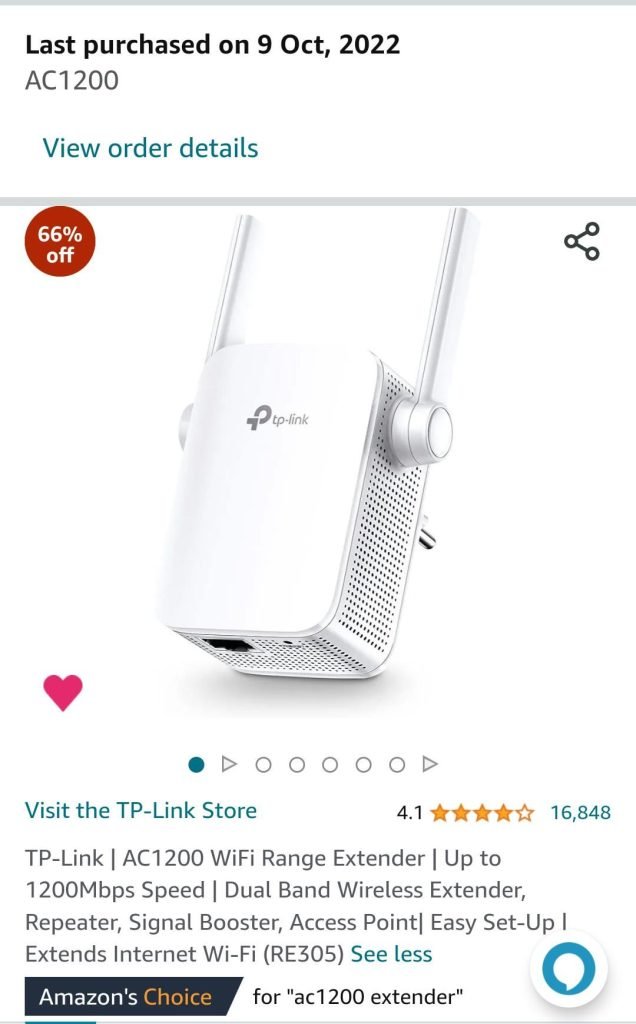
Credit: www.amazon.ca
Basics Of Wifi Extenders
A wifi extenderhelps increase the range of your wifi signal. It catches the signal from your router and sends it further. This helps reach places where wifi is weak or missing.
Single bandextenders work on one frequency, usually 2.4 GHz. They are simple and cheaper but can be slower and crowded. Dual bandextenders use two frequencies: 2.4 GHz and 5 GHz. This allows faster speeds and less interference.
| Feature | Single Band | Dual Band |
|---|---|---|
| Frequency | 2.4 GHz | 2.4 GHz and 5 GHz |
| Speed | Slower | Faster |
| Interference | More interference | Less interference |
| Price | Lower cost | Higher cost |
How Single Band Extenders Work
Single band extenders use one frequency, usually 2.4 GHz. This frequency travels far but can be slower. It works well through walls and floors.
The range covers a larger area but speeds drop with distance. Devices may face interferencefrom other electronics like microwaves or Bluetooth gadgets.
| Frequency | Range | Speed | Interference |
|---|---|---|---|
| 2.4 GHz | Long | Moderate | High |
- Good for basic internet use like browsing and emails.
- Not ideal for high-speed gaming or video streaming.
- Easy to set up and cheaper than dual band extenders.
How Dual Band Extenders Work
Dual band wifi extenders use two frequency bands: 2.4 GHzand 5 GHz. This helps to spread the internet signal better inside your home or office. The 2.4 GHz band covers a larger area but offers slower speeds. The 5 GHz band gives faster speeds but covers a smaller area.
Using both bands together means devices can choose the best frequency. This reduces connection drops and makes the internet more stable. It also helps many devices connect without slowing down the network.
| Frequency Band | Coverage | Speed |
|---|---|---|
| 2.4 GHz | Longer range | Slower |
| 5 GHz | Shorter range | Faster |
Comparing Performance
Dual band WiFi extendersoffer two frequency bands: 2.4 GHz and 5 GHz. This allows devices to connect on the less crowded 5 GHz band, often resulting in faster speedsthan single band extenders, which only use 2.4 GHz. The 5 GHz band can handle more data but has a shorter range. The 2.4 GHz band covers longer distances but may be slower due to interference.
Dual band extendersface less interference because they can switch between bands. This makes the connection more stablecompared to single band extenders, which often suffer from congestion on the 2.4 GHz band. Stability is important for activities like video calls and gaming.
| Device Compatibility | Single Band Extender | Dual Band Extender |
|---|---|---|
| Works with older devices | Yes | Yes |
| Supports newer devices | No | Yes, supports faster 5 GHz band |
| Better for many devices | No | Yes |
Setup And Installation
Single band extenders usually have a simple setup process. They connect to the existing WiFi network using one frequency band, often 2.4 GHz. This makes the installation quick and easy. Most devices have a WPS button for one-touch connection. Users can also use a web interface or mobile app to finish the setup. The steps are straightforward and do not require much technical knowledge.
Dual band extenders support both 2.4 GHz and 5 GHz bands. This adds a small step during setup. Users must select which band to extend or use both simultaneously. Some dual band extenders offer separate networks for each band to reduce interference. The setup may take a bit longer but remains user-friendly. Most models include clear instructions and apps to guide users through the process.
Cost And Value
Dual band wifi extendersusually cost more than single band models. The higher price comes from the ability to use two frequency bands: 2.4 GHz and 5 GHz. Single band extenders only work on one frequency, which is often the slower 2.4 GHz band.
| Type | Average Price | Frequency Bands |
|---|---|---|
| Single Band Extender | $20 – $40 | 2.4 GHz |
| Dual Band Extender | $40 – $80 | 2.4 GHz & 5 GHz |
Thinking of long-term value, dual band extenders offer better speedand less interference. This can mean fewer problems and less need to replace the device soon.
Single band extenders may save money upfront but could limit performance. Choosing depends on the budgetand internet needs.
When To Choose Single Band
Single band wifi extenders work on one frequency, usually 2.4 GHz. They suit small homes or apartments with few devices. These extenders are easier to set up and cost less. They are good for simple tasks like browsing and emails.
Devices far from the router but within a close range can use single band extenders well. They help reduce dead zones in small areas. If your internet speed is not very high, single band extenders can handle it fine.
| Limitations | Details |
|---|---|
| Speed | Lower speeds compared to dual band extenders. |
| Interference | More prone to interference from other devices on 2.4 GHz. |
| Device Support | Not ideal for many devices or heavy internet use. |
| Range | Limited coverage area compared to dual band options. |
When To Choose Dual Band
Dual band wifi extendersoffer two frequency bands: 2.4 GHz and 5 GHz. This helps devices connect on the best band for speed or range. Use them in homes or offices with many devices. They work well where some devices need fast internet and others need longer range.
Single band extendersonly use one frequency, often 2.4 GHz. They are simpler and cheaper but can get crowded with many devices. Dual band extenders reduce interference and improve overall network performance.
| Best Use Cases | Potential Drawbacks |
|---|---|
|
|
Tips For Maximizing Wifi Extender Performance
Place the extenderwhere the WiFi signal is still strong but near the weak areas. Avoid walls and metal objects that block signals. Higher spots often work better. Try to keep the extender away from microwaves and cordless phones. These devices cause interference and slow down your WiFi.
Keep the extender’s firmware updated. Check the brand’s website for new updates. Updates fix bugs and improve performance. Set reminders to update regularly to get the best speed and security.
- Use a WiFi analyzer app to find the best channel.
- Limit the number of devices connected to the extender.
- Change extender settings to match your main router.
- Restart the extender and router if the connection slows down.

Credit: www.amazon.ca
Credit: www.engadget.com
Frequently Asked Questions
What Is The Main Difference Between Dual Band And Single Band Wifi Extenders?
Dual band extenders operate on two frequencies, 2. 4 GHz and 5 GHz, while single band uses only 2. 4 GHz. Dual band offers faster speeds and less interference, improving overall network performance and reliability compared to single band extenders.
Are Dual Band Wifi Extenders Worth The Extra Cost?
Yes, dual band extenders provide better speed, coverage, and reduced interference. They are ideal for busy households or offices with multiple devices. The improved performance justifies the higher price for most users needing reliable and faster WiFi throughout their space.
Can A Single Band Wifi Extender Handle Heavy Internet Usage?
Single band extenders are suitable for light internet tasks like browsing and emailing. However, they struggle with heavy usage such as streaming HD videos or online gaming. Dual band extenders are better suited for high-demand activities due to their dual frequency support.
Does A Dual Band Wifi Extender Improve Network Stability?
Yes, dual band extenders improve network stability by reducing congestion on the 2. 4 GHz band. They switch between 2. 4 GHz and 5 GHz frequencies to maintain a strong, stable connection, especially in environments with many competing wireless signals.
Conclusion
Choosing between a dual band and single band WiFi extender depends on your needs. Dual band offers better speed and less interference. Ideal for streaming and gaming. Single band can be enough for basic browsing. Consider your device compatibility. Also, your internet usage patterns.
Dual band works well in busy households. Single band suits smaller spaces with fewer devices. Assess your budget and requirements. This helps in making the right choice. Remember, the right extender enhances your internet experience. Make a smart decision for smoother connectivity.