Are you worried about the safety of long-range WiFi extenders? With so many gadgets around us, it’s natural to question the impact they might have on your health.
You might have heard conflicting opinions, leading to confusion and concern. But what’s the real story? We’ll clear up the myths and present the facts about long-range WiFi extenders. By the end, you’ll have a clearer understanding and feel more confident about using these devices in your home.
Dive in to discover the truth and ensure peace of mind for you and your family.
Health Concerns Around Wifi Extenders
Many people worry about the health effectsof long range WiFi extenders. Some fear radiationfrom these devices might cause harm. These concerns come from misunderstandingsabout how WiFi works.
WiFi extenders send out radio waves, a type of non-ionizing radiation. This means it does not damage cellsor DNA like X-rays or gamma rays. The energy is very low and safe for everyday use.
Common fears include:
- WiFi causing cancer
- Interference with medical devices
- Long-term effects from constant exposure
Most studies show no clear evidence of health risks from normal WiFi use. Still, some people prefer to limit exposure by placing extenders away from beds or desks.
| Type of Radiation | Description | Health Risk |
|---|---|---|
| Non-Ionizing (WiFi) | Low-energy radio waves | No proven harm to humans |
| Ionizing (X-rays) | High-energy radiation | Can damage cells and DNA |
Scientific Studies On Wifi Radiation
Scientists study wifi radiationto see if it affects health. Long range wifi devices send signals over bigger areas. Research checks if these signals harm human cellsor tissues.
Some studies show low energy wifi signals do not cause clear damage. Cells may absorb small amounts of radiation but often repair themselves. Other research looks at long term effects but finds no strong proof of harm.
Safety limits are set by health groups to keep radiation low. Devices must meet these rules to be sold. Long range wifi extendersusually work within safe limits.
| Study Focus | Findings |
|---|---|
| Cell Damage | No clear damage at low radiation levels |
| Tissue Effects | Minor changes but often reversible |
| Long Term Exposure | No strong evidence of health risks |
Regulatory Standards And Safety Limits
International organizations set rules to keep WiFi devices safe. These rules limit the amount of radio waves devices can emit. The World Health Organization (WHO)and International Commission on Non-Ionizing Radiation Protection (ICNIRP)give clear guidelines. These guidelines protect people from possible harm. WiFi extenders must follow these rules to be sold legally.
WiFi extenders undergo testing to meet safety standards. They must emit radio waves below the allowed limits. This ensures no harmful exposureto users. Devices that pass tests get certificationslike FCC or CE marks. These marks show the device is safe to useand meets international rules.

Credit: www.amazon.ca
Myths About Wifi Extender Risks
Claims linking wifi extendersto cancer lack solid proof. Studies show no strong link between wifi radiationand cancer risks. Wifi extenders emit very low levels of radiofrequency waves, much lower than phones or microwaves.
Concerns about childrenand pregnant womenoften arise. Scientific research finds no clear harm from typical wifi use. Experts agree that wifi signals are weak and do not cause health problems.
- Wifi extenders use low power signals.
- No evidence of cancer caused by wifi.
- Children and pregnant women are safe around wifi.
- Health agencies monitor and regulate wifi devices.
Facts About Wifi Extender Safety
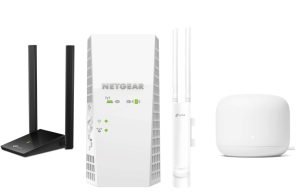
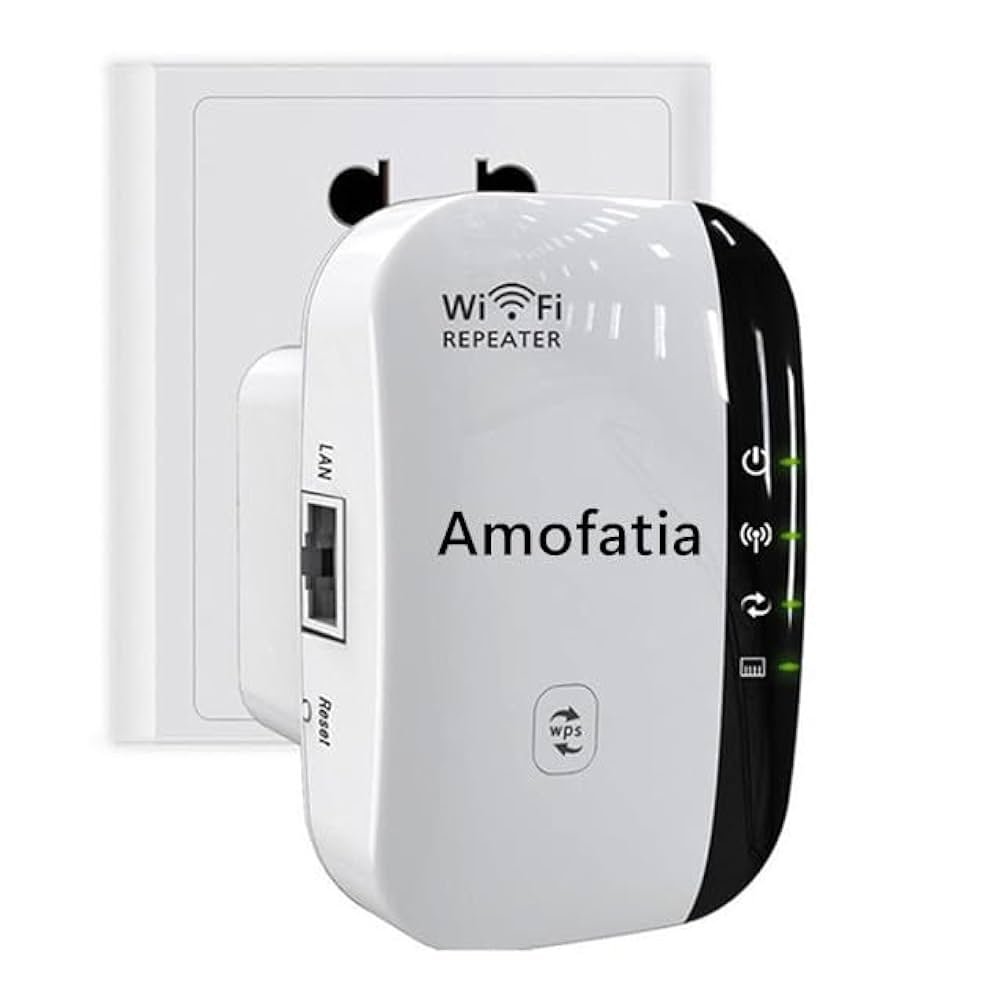
Wifi extenders increase the signal strength of your internet. The radio wavesthey use are similar to those from phones or radios. These waves are low powerand usually safe for humans. The signal strength drops quickly with distance, so exposure near the device is limited.
Experts say that the signals from wifi extenders are far belowthe limits set for safety. No clear evidence shows harm from normal use. Devices must meet strict rules to protect health.
- Place extenders away from where people sit or sleep.
- Turn off the extender when not in use.
- Use extenders with good quality and certifications.
- Keep devices clean and dust-free for better performance.

Credit: www.amazon.ca
Alternatives To Long Range Wifi Extenders
Wired connectionsoffer a safe and stable internet option. They use cables like Ethernet to connect devices directly. This reduces exposure to wireless signals. Wired setups also provide fast and reliable speeds. Ideal for places where strong WiFi signals are hard to get.
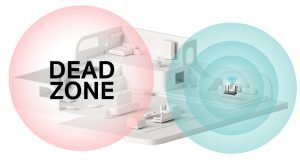
Mesh network systemsuse several small devices spread around your home. They work together to cover large areas with WiFi. This means fewer dead zones and better signal strength. Mesh systems often use lower power signals, which some find safer. Easy to expand by adding more nodes.

Credit: www.amazon.ca
Frequently Asked Questions
Is Long Range Wifi Extender Radiation Harmful?
Long range WiFi extenders emit low-level radiofrequency radiation. Current studies show this radiation is below harmful limits. Proper use and distance minimize any health risks. Regulatory bodies consider these devices safe for everyday use.
Can Wifi Extenders Affect Sleep Quality?
WiFi extenders emit non-ionizing radiation, unlikely to disrupt sleep. Keeping devices away from the bedroom can improve comfort. No strong evidence links WiFi signals to sleep disturbances.
How To Reduce Health Risks From Wifi Extenders?
Place extenders away from frequently used areas. Limit exposure time and maintain distance. Use wired connections when possible. These steps further reduce any minimal health concerns.
Are Children More Vulnerable To Wifi Extender Signals?
Children are not proven to be more sensitive to WiFi radiation. However, precautionary measures like limiting exposure can be beneficial. Following safety guidelines ensures protection for all ages.
Conclusion
Long range WiFi extenders use low levels of radio waves. Experts say these levels are safe for daily use. Devices meet strict health guidelines worldwide. Many people use them without health problems. Still, keep extenders away from your body. Use them as recommended by the manufacturer.
Staying informed helps you make smart choices. Enjoy strong WiFi without worry about health risks. Safety and convenience can go hand in hand.