Are you tired of your smart home devices losing connection or slowing down? Your IoT gadgets need a strong, reliable WiFi network to work smoothly.
That’s where mesh WiFi comes in. Imagine having seamless internet coverage in every corner of your home, so your smart lights, cameras, and thermostats never miss a beat. You’ll discover how mesh WiFi can transform your smart home experience and why it’s the best choice for your IoT devices.
Keep reading to unlock the secret to a smarter, faster, and more connected home.

Credit: www.amazon.com
Benefits Of Mesh Wifi For Iot
Mesh WiFi helps smart home devices work better. It creates a strong network all over the house.
Many IoT devices need a steady internet connection. Mesh WiFi makes sure they stay connected.
Enhanced Coverage Across The Home
Mesh WiFi covers every corner of your home. It uses several units to spread the signal evenly.
This means smart devices in far rooms get good internet. No more weak signals or dead zones.
- Covers large homes well
- Reaches basements and outdoor areas
- Supports many devices in different rooms
Seamless Device Connectivity
Mesh WiFi lets devices switch smoothly between units. Your IoT devices stay connected without drops.
Devices do not lose connection when you move around. This keeps smart home functions running without glitches.
- Automatic handoff between mesh nodes
- Consistent internet for smart speakers and cameras
- Works well with many connected devices
Improved Network Reliability
Mesh WiFi offers a stable network for IoT devices. It reduces interruptions and slowdowns.
If one node fails, others keep the network working. This means your smart home stays online and responsive.
- Self-healing network design
- Less chance of connection loss
- Better uptime for important devices

Credit: www.pcmag.com
Common Challenges In Iot Networking
IoT devices need strong and stable networks to work well. Many homes use mesh WiFi to help connect these devices. Still, there are some common problems in IoT networking that affect their performance.
This article explains three main challenges: signal interference, bandwidth limits, and security risks. Understanding these helps you create better networks for your smart home.
Signal Interference Issues
Signal interference happens when other devices or objects block or weaken WiFi signals. This causes slow speeds or lost connections for IoT devices.
- Microwaves and cordless phones can disrupt WiFi signals.
- Walls and furniture reduce signal strength.
- Neighboring WiFi networks may overlap and cause interference.
Bandwidth Limitations
IoT devices share the available bandwidth on a network. When many devices connect at once, bandwidth may not be enough for all.
| Cause | Effect on IoT Devices |
| Multiple devices streaming data | Slower response time |
| Video cameras sending high-quality video | Network congestion |
| Low bandwidth plan | Limited device connections |
Security Vulnerabilities
IoT devices can be weak points in home network security. Attackers may try to access private data or control devices.
- Many devices use weak or default passwords.
- Outdated software can have security holes.
- Unsecured networks allow easy access to devices.
How Mesh Wifi Addresses Iot Needs
IoT devices need strong and steady internet to work well at home. Mesh WiFi helps by covering large areas without losing signal.
This type of network makes smart devices faster and more reliable. It solves common problems in busy home networks.
Dynamic Routing For Optimized Traffic
Mesh WiFi uses dynamic routing to find the best path for data. It sends information through the fastest route automatically.
This lowers delays and keeps devices like cameras and sensors running smoothly. It also balances traffic to avoid overload.
- Finds quickest paths for data
- Reduces lag and delays
- Manages heavy device traffic
Self-healing Network Features
Mesh networks can fix themselves if one part fails. If a device or node stops working, data takes another route.
This keeps IoT devices connected even during problems. The network stays stable without manual help.
- Detects broken connections
- Redirects traffic automatically
- Maintains continuous device connection
Scalable Network Expansion
You can add more nodes easily in a mesh network. This helps when you have many IoT devices spread across your home.
Adding new points expands coverage and improves speed without extra wires. The network grows with your needs.
- Add nodes without complex setup
- Expand coverage for more devices
- Keep fast speeds with more connections
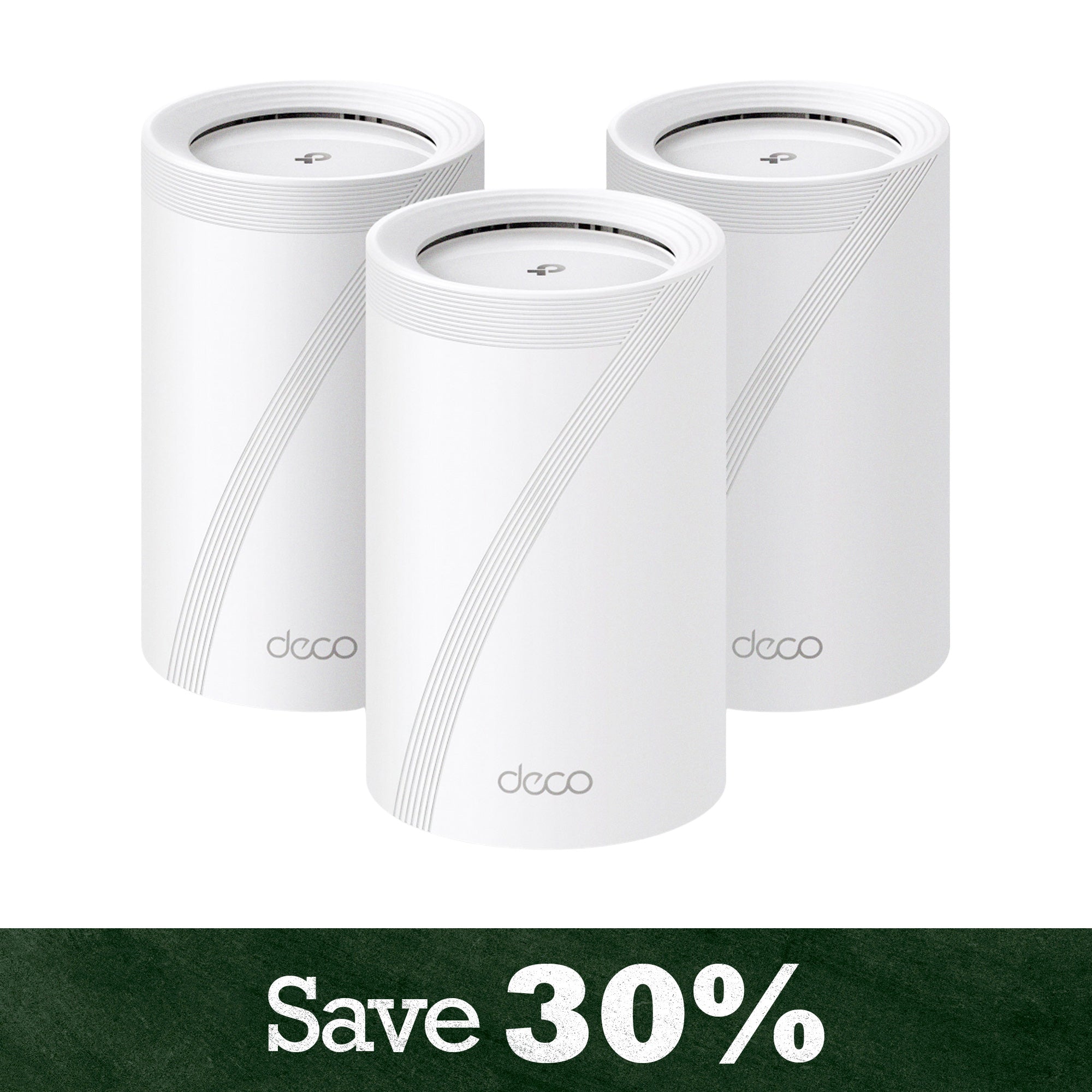
Credit: us.store.tp-link.com
Choosing The Right Mesh Wifi System
Mesh WiFi systems help connect many IoT devices in your home. Picking the right one is key for smooth and fast connections.
Consider device compatibility, speed, range, and security. These factors ensure your smart home works well and stays safe.
Compatibility With Iot Devices
Make sure the mesh WiFi supports all your IoT gadgets. Some systems work better with smart bulbs, cameras, or thermostats.
- Check device brands supported by the mesh system
- Look for compatibility with popular smart home platforms
- Ensure support for both 2.4 GHz and 5 GHz bands
- Verify easy setup for your type of IoT devices
Speed And Range Considerations
Speed and range affect how well your devices stay connected. A strong signal covers your whole home with fast internet.
| Factor | What to Check |
| Speed | Look for high Mbps ratings for fast data flow |
| Range | Choose a system with enough coverage for your house size |
| Number of Nodes | More nodes can improve coverage in large homes |
| Frequency Bands | Dual or tri-band systems reduce network congestion |
Security Features To Look For
Security keeps your data safe and your network protected from threats. Look for built-in features that guard your smart home.
- Automatic firmware updates to fix vulnerabilities
- Strong WPA3 encryption for wireless security
- Guest network support to separate visitors’ devices
- Parental controls to manage device access
- Network monitoring to detect unusual activity
Setting Up Mesh Wifi For Your Smart Home
Mesh WiFi helps connect all your smart home devices smoothly. It spreads WiFi signals over a larger area.
Setting it up right makes your devices work without interruptions. This guide shows you how to do it.
Optimal Node Placement
Place mesh nodes where WiFi signals can reach all rooms. Avoid thick walls and metal objects.
- Put the main node near your modem.
- Space nodes evenly in your home.
- Keep nodes away from microwaves and cordless phones.
- Place nodes in open areas, not inside cabinets.
Configuring Network Settings
Adjust your network settings to secure your smart home. Use strong passwords and update firmware often.
| Setting | Recommendation |
| Network Name (SSID) | Use a unique name |
| Password | At least 12 characters with letters and numbers |
| Encryption Type | WPA3 if available |
| Firmware Updates | Check monthly and install updates |
Managing Connected Devices
Keep track of all devices on your mesh network. Remove unknown or unused devices to keep it safe.
- Label each device by type or room.
- Set time limits for guest devices.
- Use the network app to monitor device activity.
- Restart nodes to improve connection if devices lag.
Maintaining And Troubleshooting Mesh Networks
Mesh WiFi networks are essential for IoT home devices. They provide strong and consistent internet coverage. Maintaining them is crucial for smooth operation.
Troubleshooting helps fix issues that may arise. Regular check-ups ensure your devices stay connected. Let’s look at some key aspects.
Regular Firmware Updates
Firmware updates keep your mesh network secure. They also improve performance. Always check for updates from your network provider.
Updating is easy. Access your network settings and follow the instructions. Set reminders to check for updates monthly.
- Log in to your network admin panel
- Navigate to firmware update section
- Follow prompts to update
- Restart your network
Common Connectivity Issues
Connectivity issues can disrupt your IoT devices. Weak signals and interference are common causes. Identifying these issues quickly is important.
Check your device settings for connection status. Move devices closer to mesh nodes if necessary. Avoid placing devices near microwaves or thick walls.
- Ensure devices are within range
- Avoid physical obstructions
- Check for interference from other electronics
- Reset your network if needed
Performance Monitoring Tools
Monitoring tools help track your network’s performance. They provide insights on speed and connectivity. Use them to identify potential issues early.
Most mesh systems come with built-in monitoring apps. These apps display real-time network status. They alert you to any problems or slowdowns.
- Download the network provider’s app
- Check the network health regularly
- Review alerts and address issues promptly
- Optimize settings for better performance
Future Trends In Mesh Wifi And Iot
Mesh WiFi is changing how we use the internet at home. It makes sure all devices connect smoothly. This is very important for homes with many IoT devices.
New trends are making Mesh WiFi even better. It will soon work smarter with IoT devices. Let’s explore some exciting future trends.
Integration With Ai And Automation
Mesh WiFi will soon work closely with AI. AI will help manage network traffic better. This means faster internet for everyone at home.
Automation will allow devices to connect more easily. They will know what to do without needing help. This makes using technology simpler for families.
- AI manages network traffic
- Devices connect automatically
- Faster internet speeds
Advancements In Security Protocols
Security is very important for IoT devices. New protocols will make Mesh WiFi safer. This keeps personal information private.
Better security means fewer risks for homes. Families can use IoT devices without worrying about safety threats.
- Improved data protection
- Enhanced privacy measures
- Reduced security risks
Expanding Iot Device Ecosystems
More IoT devices will work with Mesh WiFi. This includes smart lights, speakers, and thermostats. They will all connect easily.
As more devices join the network, homes become smarter. This means more convenience and control for users.
- Increased device compatibility
- Smarter home environments
- Greater user control
Frequently Asked Questions
What Is Mesh Wifi For Iot Home Devices?
Mesh WiFi creates a seamless network using multiple nodes. It ensures strong, reliable connections for all IoT devices at home. This improves device performance and reduces dead zones.
How Does Mesh Wifi Improve Iot Device Connectivity?
Mesh WiFi spreads signals evenly across your home. It reduces interference and boosts connection stability. This helps IoT devices work faster and more reliably.
Can Mesh Wifi Support Many Iot Devices Simultaneously?
Yes, mesh WiFi is designed to handle many devices. It manages traffic efficiently, preventing network slowdowns. This makes it ideal for smart homes with numerous IoT gadgets.
Is Mesh Wifi Better Than Traditional Routers For Iot?
Mesh WiFi offers broader coverage and fewer dead zones. It dynamically routes data, enhancing speed and reliability. Traditional routers often struggle with multiple IoT devices.
Conclusion
Mesh WiFi makes connecting smart home devices simple and reliable. It spreads WiFi evenly in every corner of your home. No more dead zones or slow connections. Your IoT devices work better and faster. Setting up mesh WiFi is easy and fits any home size.
It helps your smart lights, cameras, and sensors stay online all the time. A strong network means less frustration and more control. Choose mesh WiFi for a smoother smart home experience. It keeps your devices connected and your life easier.